
 EN
EN
 ar
ar bg
bg hr
hr cs
cs da
da nl
nl fi
fi fr
fr de
de el
el hi
hi it
it ko
ko no
no pl
pl pt
pt ro
ro ru
ru es
es sv
sv tl
tl iw
iw id
id lv
lv lt
lt sr
sr sk
sk sl
sl uk
uk vi
vi et
et hu
hu th
th tr
tr fa
fa ms
ms hy
hy ka
ka ur
ur bn
bn mn
mn ta
ta kk
kk uz
uz ku
ku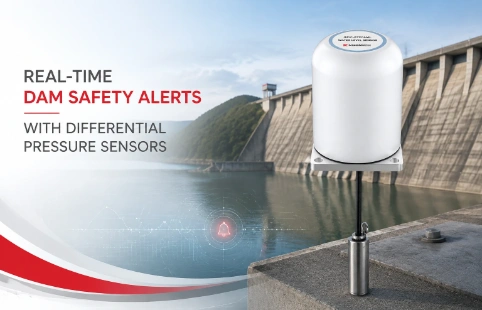
Real-Time Dam Safety Alerts with Differential Pressure Water Level Sensors
Key Takeaways An alert chain needs more than a sensor: define field in...

Dual Axis Inclinometer: Practical Tilt Monitoring for Field Engineers
Keeping a dam or excavation wall stable isn’t a one-time check. Tilt can creep in slowly, and catching it early often comes down to the sensor you choose. A dual axis inclinometer gives you two tilt angles from one device, so you’re not guessing about movement direction. Kingmach builds these for the messy reality of field monitoring: rain, vibration, and long-term drift are all part of the job. Instead of chasing perfect lab specs, we focus on sensors that hold up in boreholes, on retaining walls, and inside machinery where access is limited. Our engineering team works with contractors and consultants to match output protocols, mounting styles, and cable lengths to project needs. The result is a tilt measurement tool that doesn’t demand constant babysitting, whether you’re monitoring a landslide zone or verifying pile inclination. Real-world performance comes from simple, robust design and a global support team that answers technical questions without sending you through endless call menus.
Technical Detail
A dual axis inclinometer measures angular displacement in two orthogonal planes simultaneously, giving you a complete tilt vector. This matters when you need to know not just if something moved, but in which direction and by how much. Kingmach’s dual axis inclinometers use proven MEMS sensing elements with built-in temperature compensation, so you get stable readings even when the thermometer swings from freezing mornings to hot afternoons. Typical output options include 4-20mA, RS485, and voltage, making integration into existing data loggers or SCADA straightforward. Most models can be set to measure ±15° or ±30° ranges, with resolution down to 0.001° depending on the configuration. The stainless steel or anodized aluminum housing protects against moisture and corrosion, and the simple connector or cable gland entry reduces installation hassle. In landslide monitoring, these sensors are often placed inside inclinometer casing, allowing engineers to track subsurface deformation profiles. For structural health, they can be bolted to bridge piers, tower foundations, or tunnel linings to detect long-term tilting. Kingmach also supplies customized versions for OEMs integrating tilt sensing into construction equipment, solar trackers, or radar leveling systems. By keeping manufacturing in-house and maintaining a wide inventory of accessories, we can ship standard models within days and assist with calibration or field testing when required. Our technical support team includes engineers who have spent years in geotechnical instrumentation, so the advice you get isn’t from a script.
News
Key Takeaways An alert chain needs more than a sensor: define field in...
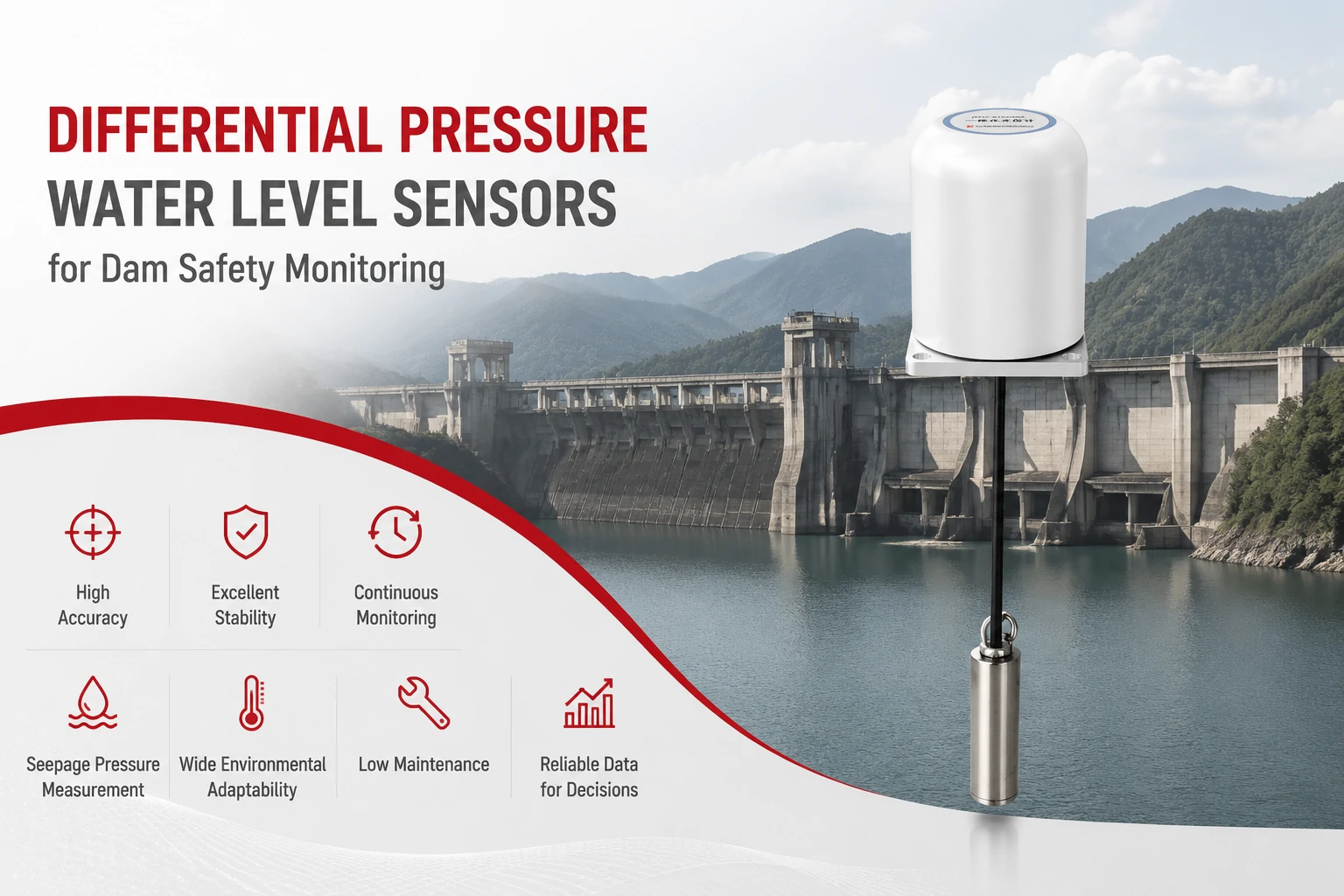
Key Takeaways The strongest fit is usually a confined, submerged, or s...
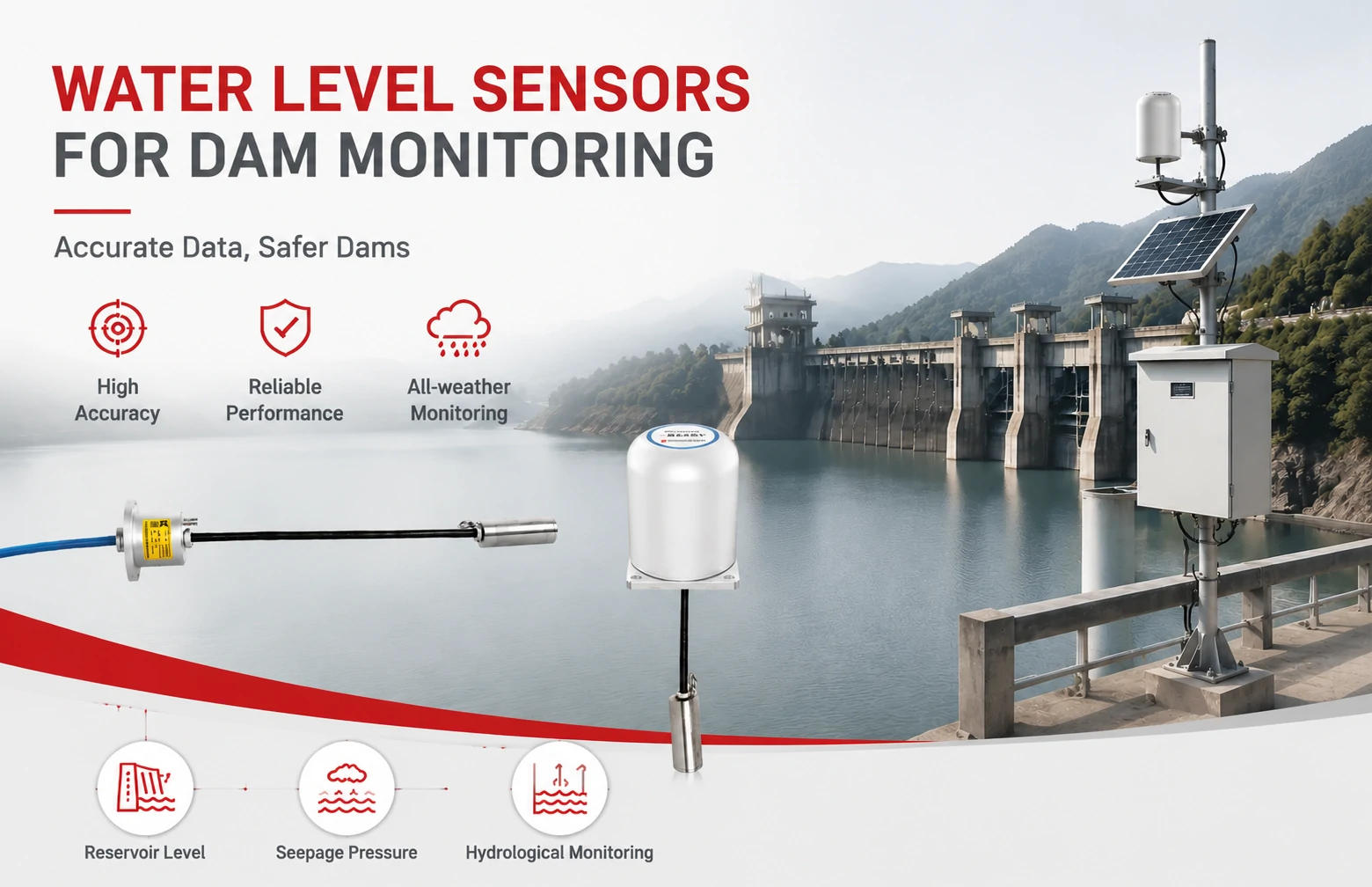
Kingmach Water Level Sensors for Dam Monitoring: A Buyer's Guide to Differential Pre...
Products
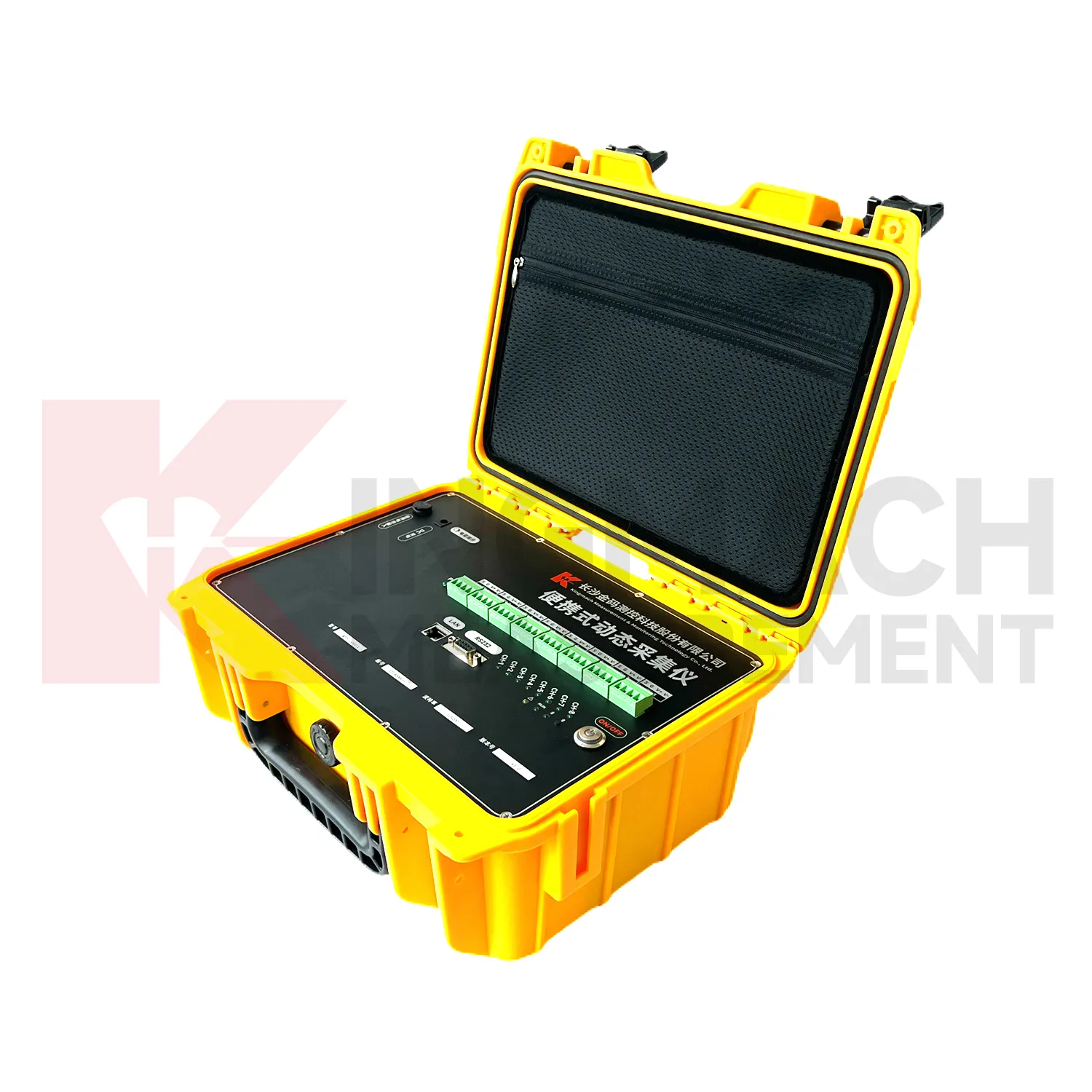
Portable Dynamic Signal Acquisition Readout JMYS-1008BX
View Details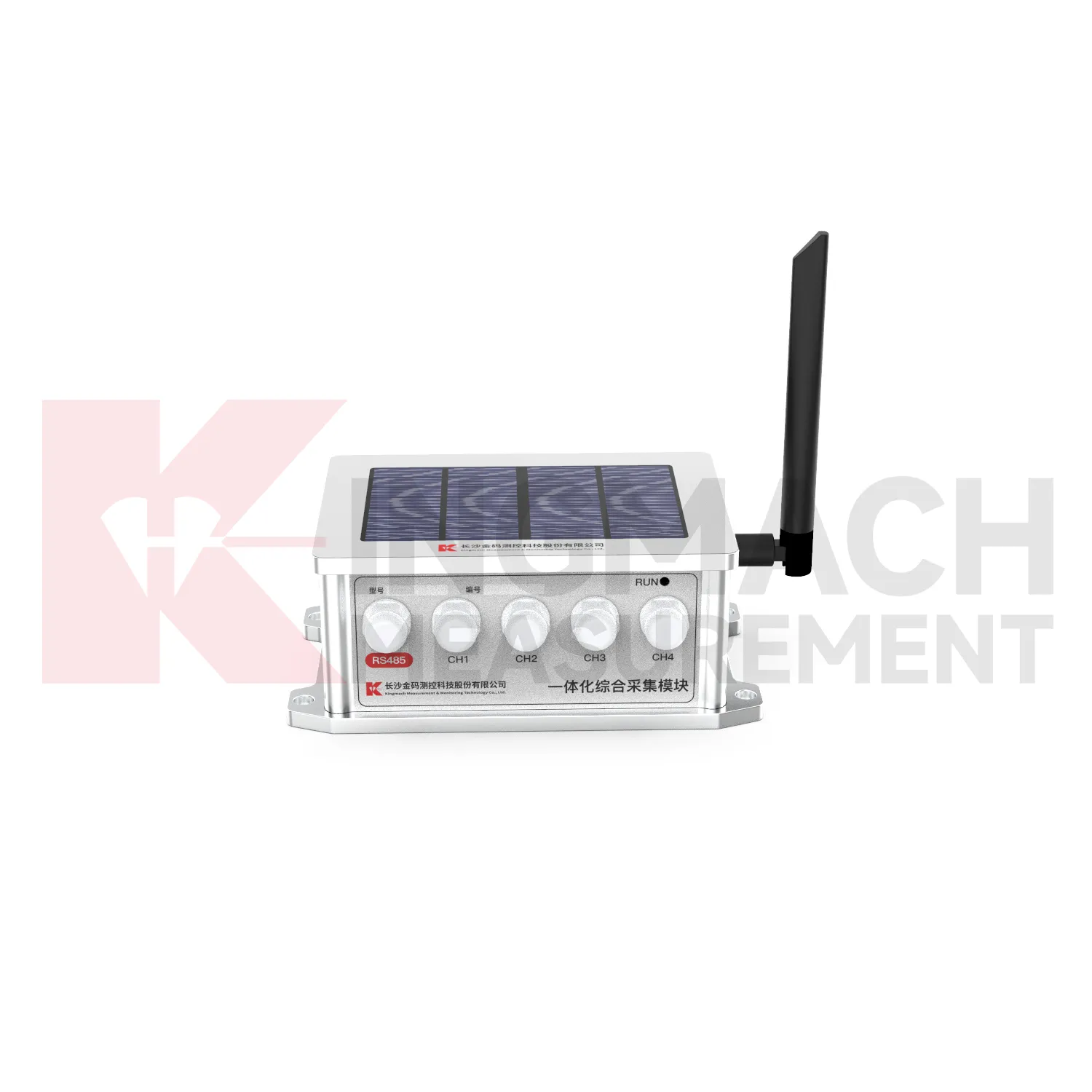
Integrated Comprehensive Acquisition Module JMZX-4/8GH-RTU
View Details
FAQ
A single axis inclinometer measures tilt in one plane, like forward/backward motion. A dual axis version adds the orthogonal plane, giving you tilt in two directions at once. This is useful when you can’t predict the direction of movement, such as in slope monitoring or when a structure could tilt diagonally. You essentially get two sensors in one housing, which simplifies installation and reduces cost compared to using two separate single-axis units.
Kingmach’s dual axis inclinometers are housed in IP67 or IP68 rated enclosures as standard, meaning they handle rain, dust, and temporary submersion. For permanent underwater use, we can provide additional sealing or stainless steel housings on request. The sensor electronics are potted to resist vibration and shock, and the connectors are chosen for field use—no delicate lab plugs that fail after a few disconnects.
For analog output models (4-20mA or voltage), the sensor is factory configured to a specific range. For example, a ±15° model might output 4mA at -15°, 12mA at 0°, and 20mA at +15°. Digital versions communicate via Modbus RTU, and scaling is done by reading the register values. We supply calibration sheets with each unit, and if you’re connecting to a data logger, our support team can help with the scaling code.
Standard mounting is via four screws on a flat baseplate. For borehole applications, we provide brackets compatible with 70mm and 85mm O.D. inclinometer casing. Wall-mount and pole-mount clamps are also available. If you have a custom bracket requirement, we can machine adaptor plates. Always consider alignment: dual axis sensors need orientation markings so you know which axis corresponds to which direction. We engrave axis indicators on the housing to avoid confusion.
The MEMS sensing element itself is inherently stable, and we burn-in each sensor before shipping to catch early drift. Temperature compensation is done via internal microcontroller correction, so ambient changes don’t shift your zero point. For multi-year projects, we recommend a yearly check using a calibrated tilt table or simple spirit level reference. If a sensor drifts significantly, it usually indicates physical damage or cable issues, not a systematic drift problem.
Share your product type, target capacity, and application requirements. Our team can review the details and recommend a practical next step.
If you are interested in our products or want to become our partner.
Please leave your contact information, our team will contact you as soon as possible.
Mail: [email protected]
Contact Us: +8613808434127
Address: No. 188 Tongzipo West Rd, Changsha, Hunan, China