
 EN
EN
 ar
ar bg
bg hr
hr cs
cs da
da nl
nl fi
fi fr
fr de
de el
el hi
hi it
it ko
ko no
no pl
pl pt
pt ro
ro ru
ru es
es sv
sv tl
tl iw
iw id
id lv
lv lt
lt sr
sr sk
sk sl
sl uk
uk vi
vi et
et hu
hu th
th tr
tr fa
fa ms
ms hy
hy ka
ka ur
ur bn
bn mn
mn ta
ta kk
kk uz
uz ku
ku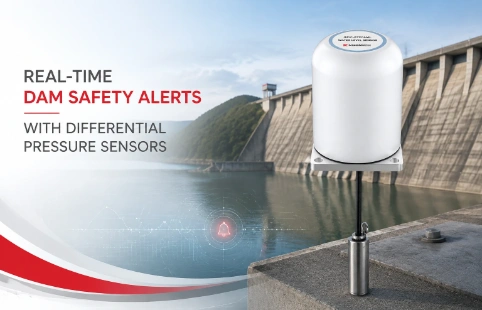
Real-Time Dam Safety Alerts with Differential Pressure Water Level Sensors
Key Takeaways An alert chain needs more than a sensor: define field in...

Wireless Pressure Data Logger That Works Where You Don’t
When a piezometer is buried 30 meters down and the nearest road ends three kilometers away, manual readings become a logistical headache. That’s the everyday reality for many geotechnical engineers monitoring dam foundations, deep excavations, or landslide-prone slopes. A wireless pressure data logger changes the equation—no more site visits just to pull a datalogger from a borehole. These instruments sit in place, measure pore water pressure or uplift around the clock, and push data to your server or phone. Kingmach builds these loggers to stay alive in saturated, high-vibration environments. The focus is on practical details: battery life that covers a full monitoring campaign, signal reach through thick concrete, and compatibility with industry-standard pressure sensors. It’s not about adding another gadget to a project; it’s about cutting the cable that ties you to the instrument and still getting the numbers you trust.
Technical Detail
Kingmach has been manufacturing geotechnical instruments long enough to know that a wireless pressure data logger is only as good as its weakest connection. The housing needs to handle water ingress at 50-meter heads, the antenna should grab a signal even when housed inside a steel standpipe, and the battery can’t quit mid-winter. Our design approach leans on field feedback from monitoring companies who install loggers in remote locations and expect them to talk reliably over cellular or LoRa networks for years, not months. Compatibility matters more than a glossy spec sheet. The logger front-end accepts input from most vibrating wire pressure transducers and 4–20 mA sensors. On the output side, data can feed into common SCADA platforms or custom cloud dashboards via MQTT or FTP. We avoid proprietary lock-in—you own the data and can move it as needed. Typical configurations support 1-minute to 24-hour sampling intervals, with onboard storage that can hold millions of time-stamped readings as a backup if the network drops. Technical support doesn’t end at shipping. Kingmach has distribution partners across 40+ countries, and our engineering team can assist with antenna selection, logger placement, and integration into existing monitoring arrays. For large dam safety projects or urban construction monitoring, customized firmware tweaks are part of the package. We’d rather you call us with a specific problem than scroll through a generic FAQ. When a logger eventually needs a battery swap after several years of service, you can do it in the field without soldering or factory return—a detail crews appreciate on a cold, wet morning.
News
Key Takeaways An alert chain needs more than a sensor: define field in...
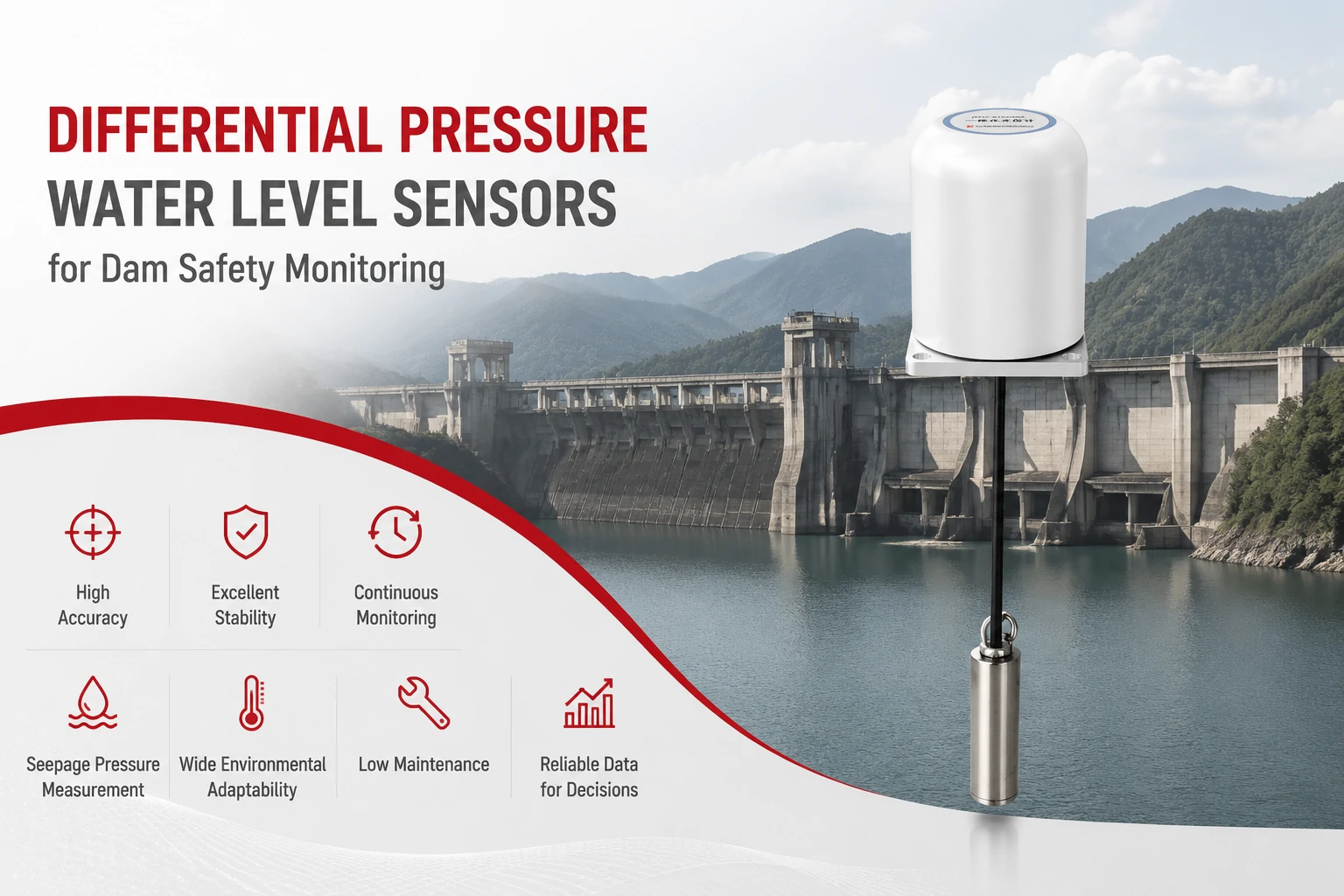
Key Takeaways The strongest fit is usually a confined, submerged, or s...
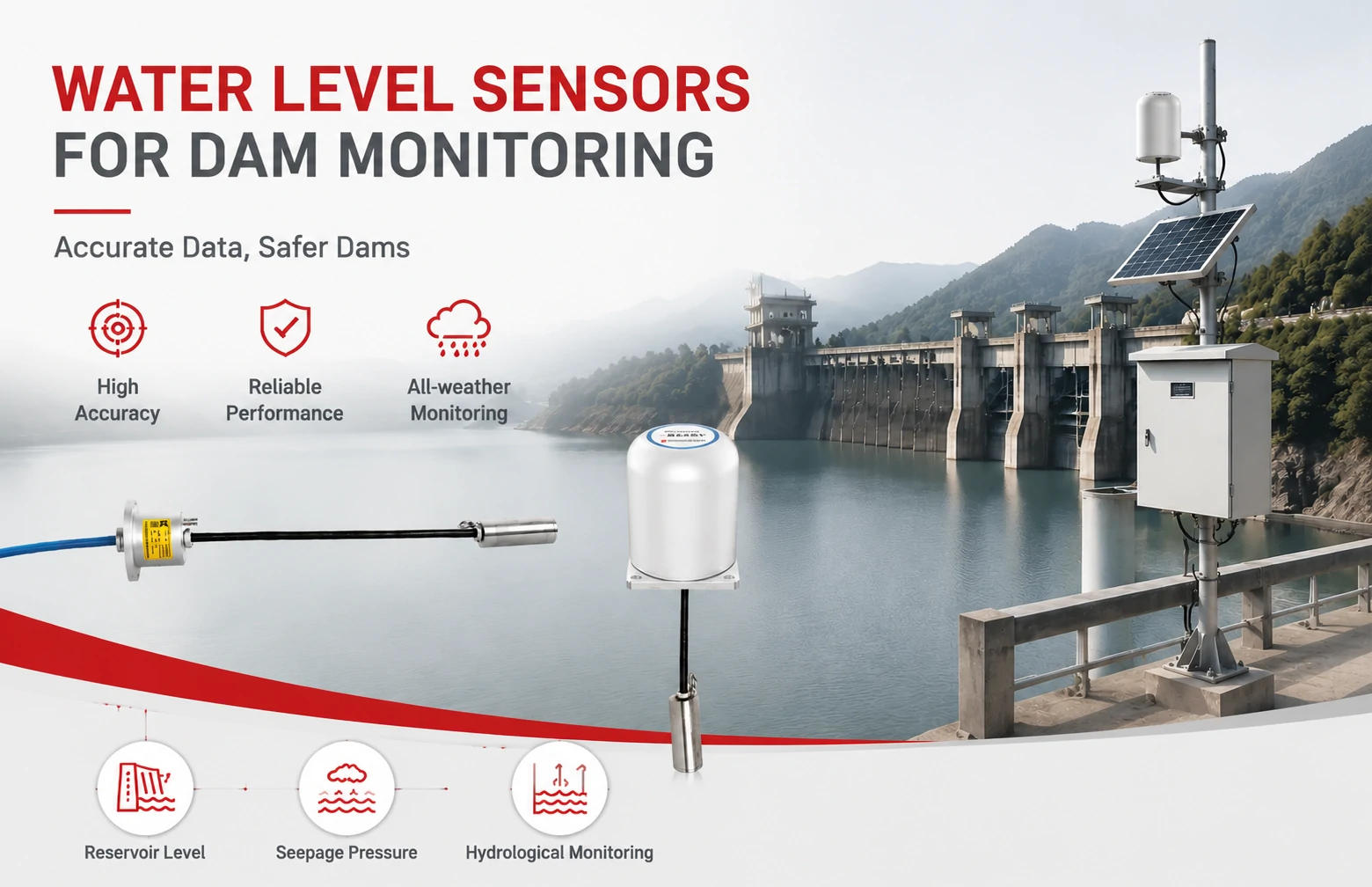
Kingmach Water Level Sensors for Dam Monitoring: A Buyer's Guide to Differential Pre...
Products
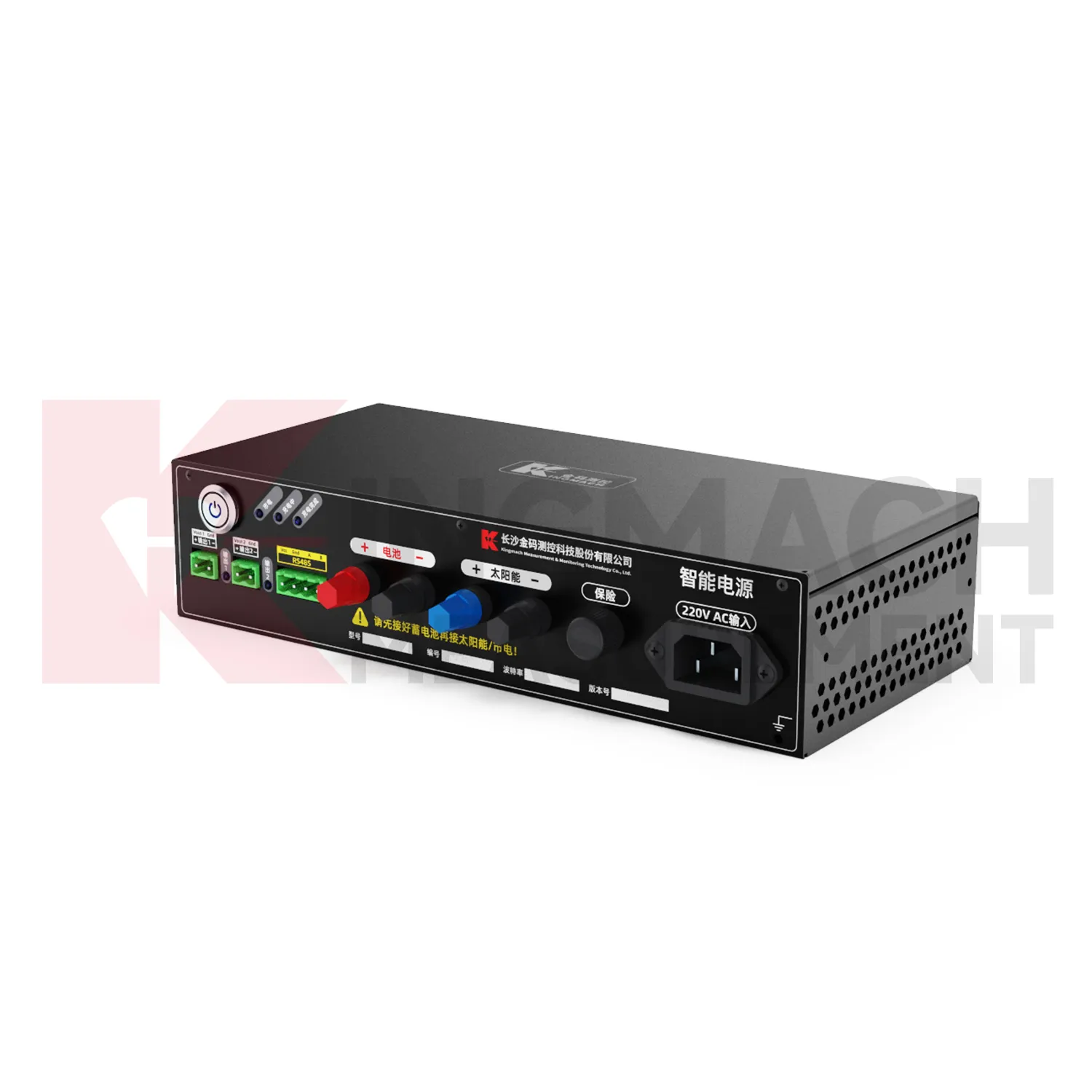
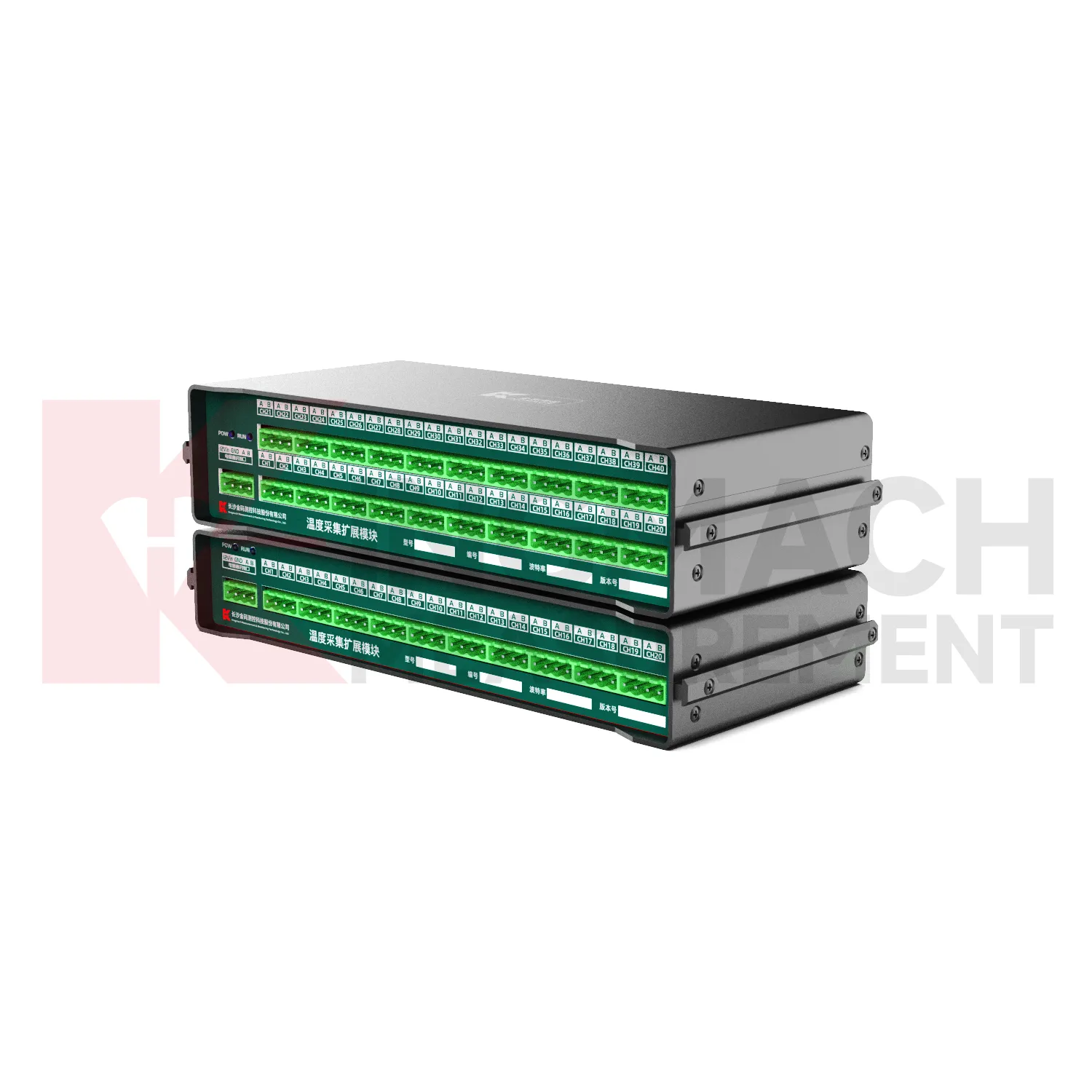
Temperature Acquisition Expansion Module JMWT-XXRTH
View Details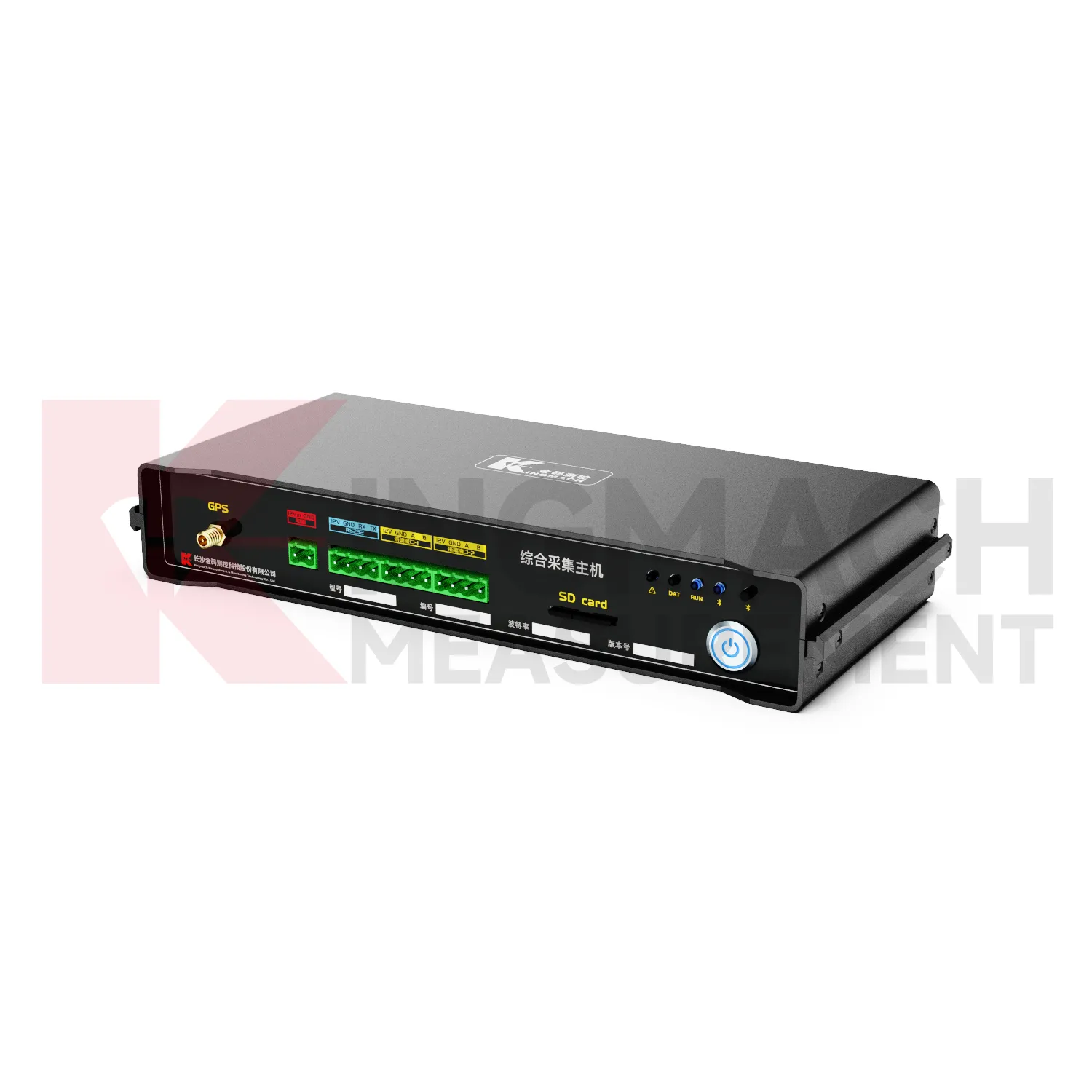
Comprehensive Acquisition Host Unit JMZX-5ZH
View DetailsFAQ
The input terminals accept vibrating wire sensors (common in geotechnical piezometers) and 4–20 mA transmitters. You can often use existing in-situ sensors without needing new ones. Just check the sensor’s output range matches the logger’s channel configuration.
If the logger uses LoRa, a nearby gateway collects data and forwards it to the internet. Models with built-in 4G modems send readings directly to your server. Antenna options like whip or flat-patch antennas help when mounting space is tight. We usually help size the radio path during the planning stage.
Data is stored on internal flash memory (typically enough for over 2 million time-stamped readings). Once the connection is restored, the logger can backfill the missing data automatically. No measurement is lost as long as the battery holds and memory isn’t overwritten.
The electronics are rated for -20°C to 60°C. For submerged use, the logger itself must be inside a waterproof enclosure or a sealed borehole casing. Kingmach supplies stainless steel housings rated to several bar of external pressure for deep installations. Battery performance drops in extreme cold, so sizing the pack accordingly helps.
No. You can pull CSV files via FTP or use MQTT to send data into your own database. Some clients set up a free Grafana dashboard. We don’t force you into a cloud platform, but we can recommend integration partners if you want turnkey visualization.
Share your product type, target capacity, and application requirements. Our team can review the details and recommend a practical next step.
If you are interested in our products or want to become our partner.
Please leave your contact information, our team will contact you as soon as possible.
Mail: [email protected]
Contact Us: +8613808434127
Address: No. 188 Tongzipo West Rd, Changsha, Hunan, China