
 EN
EN
 ar
ar bg
bg hr
hr cs
cs da
da nl
nl fi
fi fr
fr de
de el
el hi
hi it
it ko
ko no
no pl
pl pt
pt ro
ro ru
ru es
es sv
sv tl
tl iw
iw id
id lv
lv lt
lt sr
sr sk
sk sl
sl uk
uk vi
vi et
et hu
hu th
th tr
tr fa
fa ms
ms hy
hy ka
ka ur
ur bn
bn mn
mn ta
ta kk
kk uz
uz ku
ku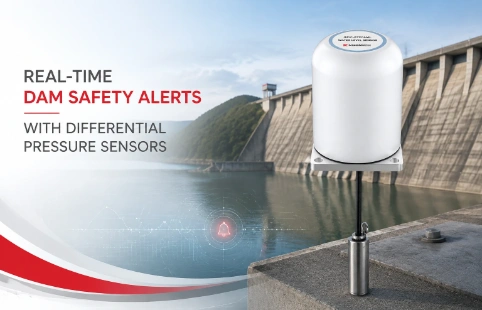
Real-Time Dam Safety Alerts with Differential Pressure Water Level Sensors
Key Takeaways An alert chain needs more than a sensor: define field in...

Strain Sensors That Work in the Real World
Getting a strain sensor to survive a construction site is one thing. Getting it to give you clean, stable data month after month in damp concrete or shifting soil—that’s a different problem entirely. Kingmach builds strain sensors for exactly these conditions. Our range covers everything from spot-weldable rebar strain gauges to embedment strain gauges for mass concrete. Every unit is sealed against moisture, compensated for temperature drift, and tested to repeatable accuracy. We don’t push one-size-fits-all sensors. If your project geometry or cable routing is unusual, we’ll adapt the design. And we keep lead times short because we know how fast geotechnical monitoring schedules move.
Technical Detail
Kingmach strain sensors are built around the reality of long-term geotechnical and structural monitoring. The sensing elements use proven foil strain gauge technology encapsulated in a rugged stainless steel housing. Typical excitation is 2–5 V, with a full-scale output around 1.5–2 mV/V, making them compatible with most common dataloggers. For embedment models, the flanged design ensures strong mechanical coupling with concrete, so you get true strain transfer from the host material. The standard cable is a shielded, PVC-jacketed 4-conductor with a built-in vent tube to equalize atmospheric pressure—a small detail that matters a lot when sensors sit 30 m below grade. Operating temperature range is -20°C to 80°C, with IP68 protection as standard. Custom options include longer cables, alternate gauge lengths, and different mounting accessories. Our quality control isn’t just a checklist. Every sensor is thermally cycled and load-tested before it leaves our facility. And because we’re a dedicated geotechnical instrumentation manufacturer, you get direct access to our engineering team for installation support and troubleshooting.
News
Key Takeaways An alert chain needs more than a sensor: define field in...
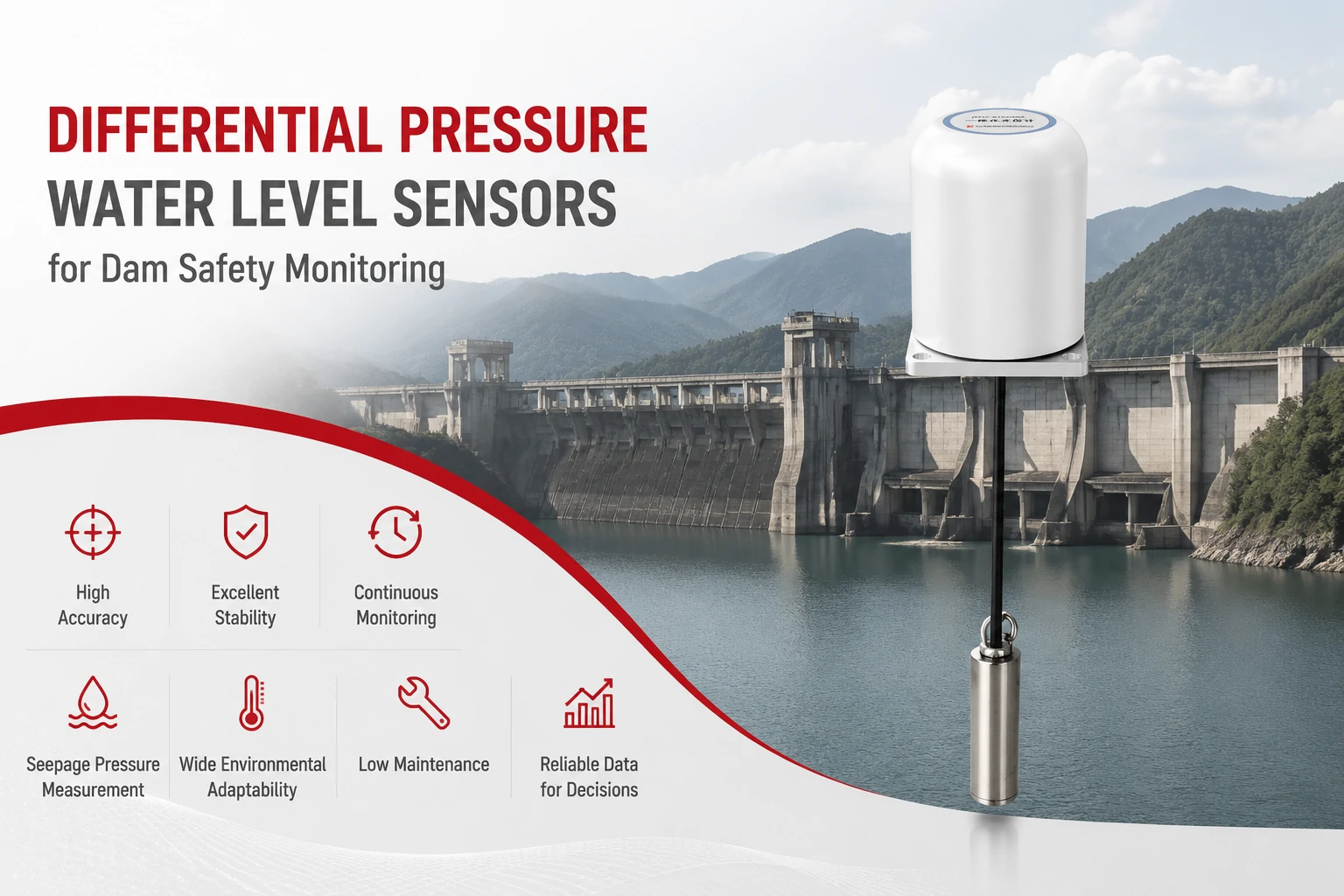
Key Takeaways The strongest fit is usually a confined, submerged, or s...
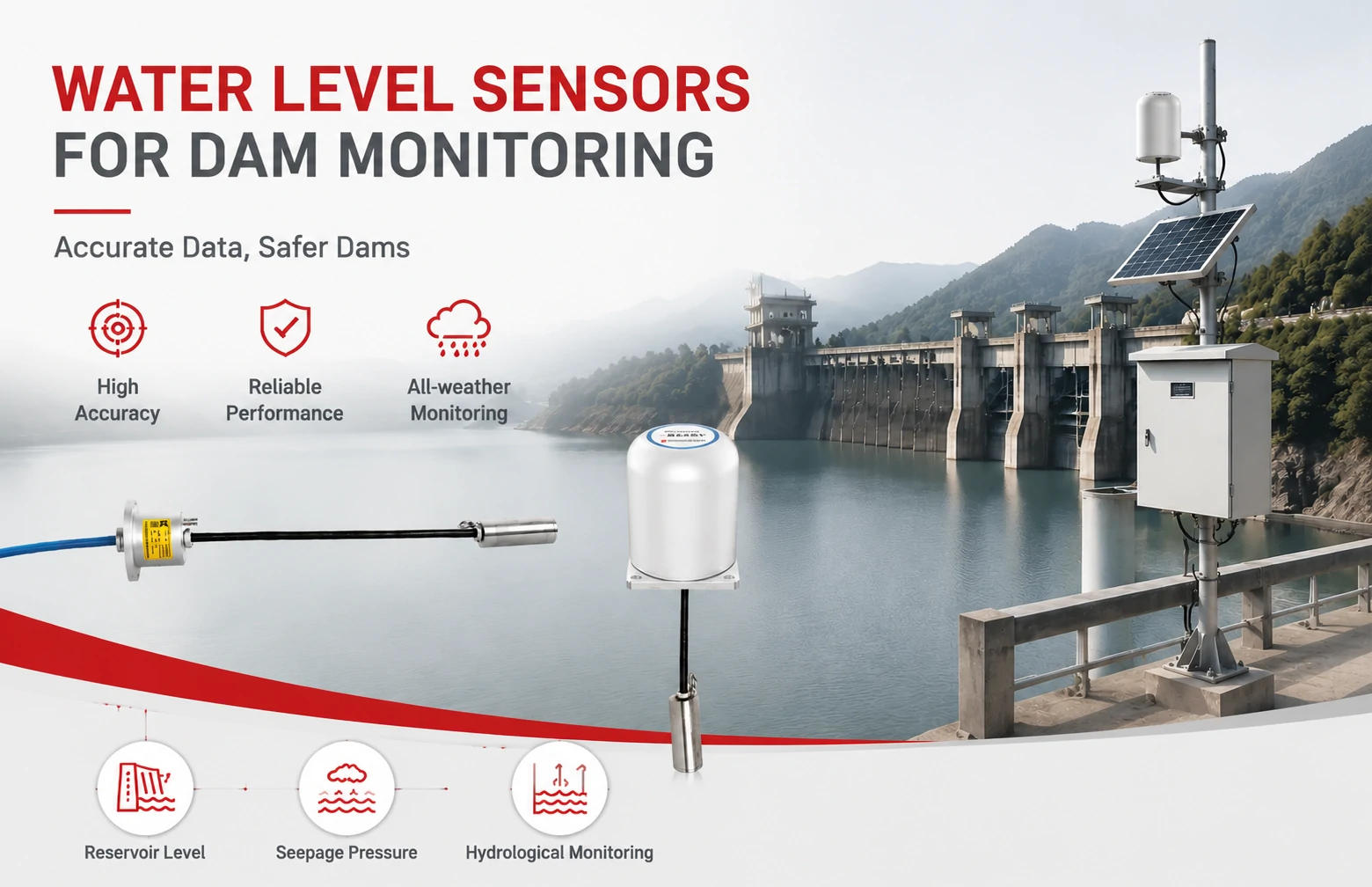
Kingmach Water Level Sensors for Dam Monitoring: A Buyer's Guide to Differential Pre...
Products
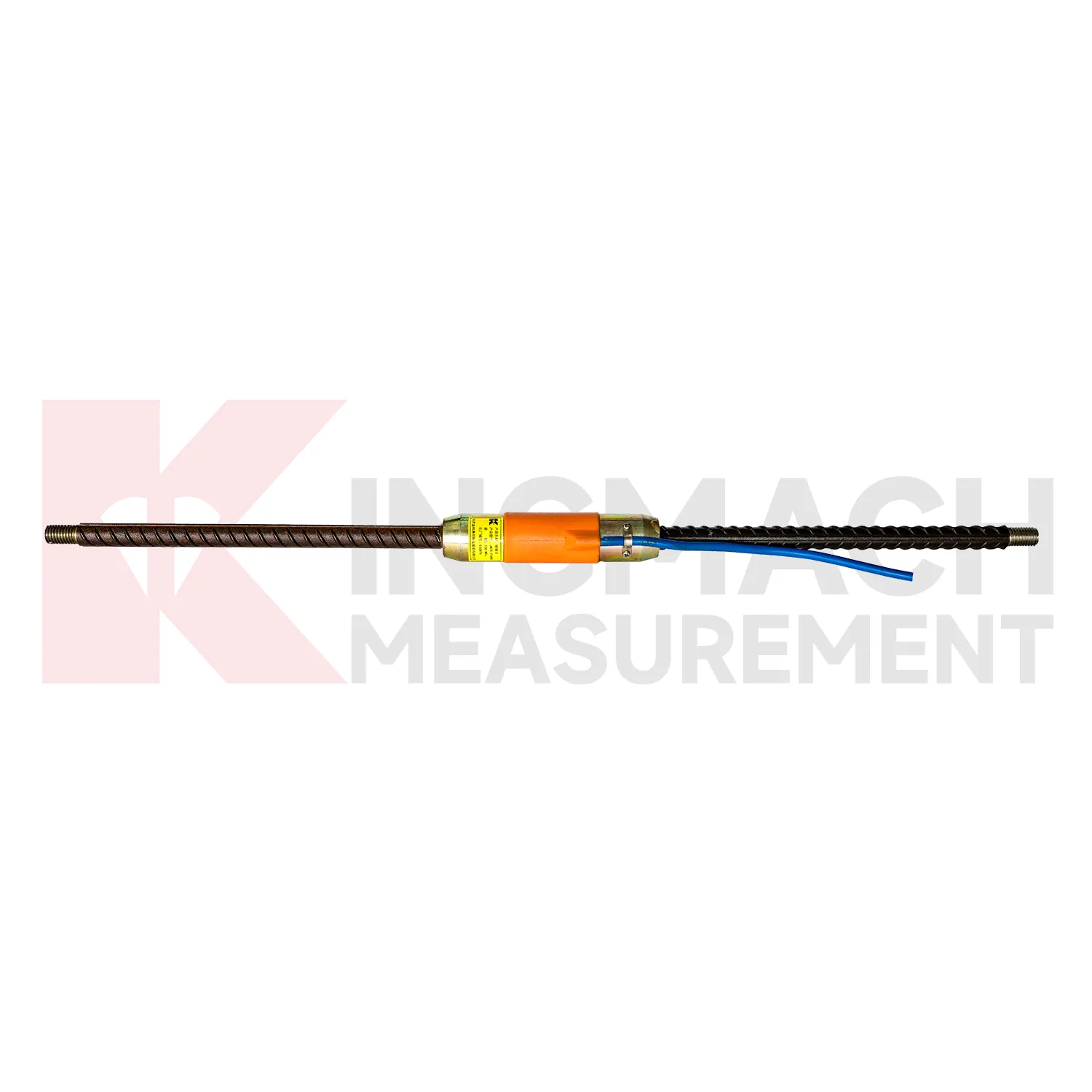
Rebar Strainmeters ( VW & Smart Type) JMZX-4XXHAT/HB
View Details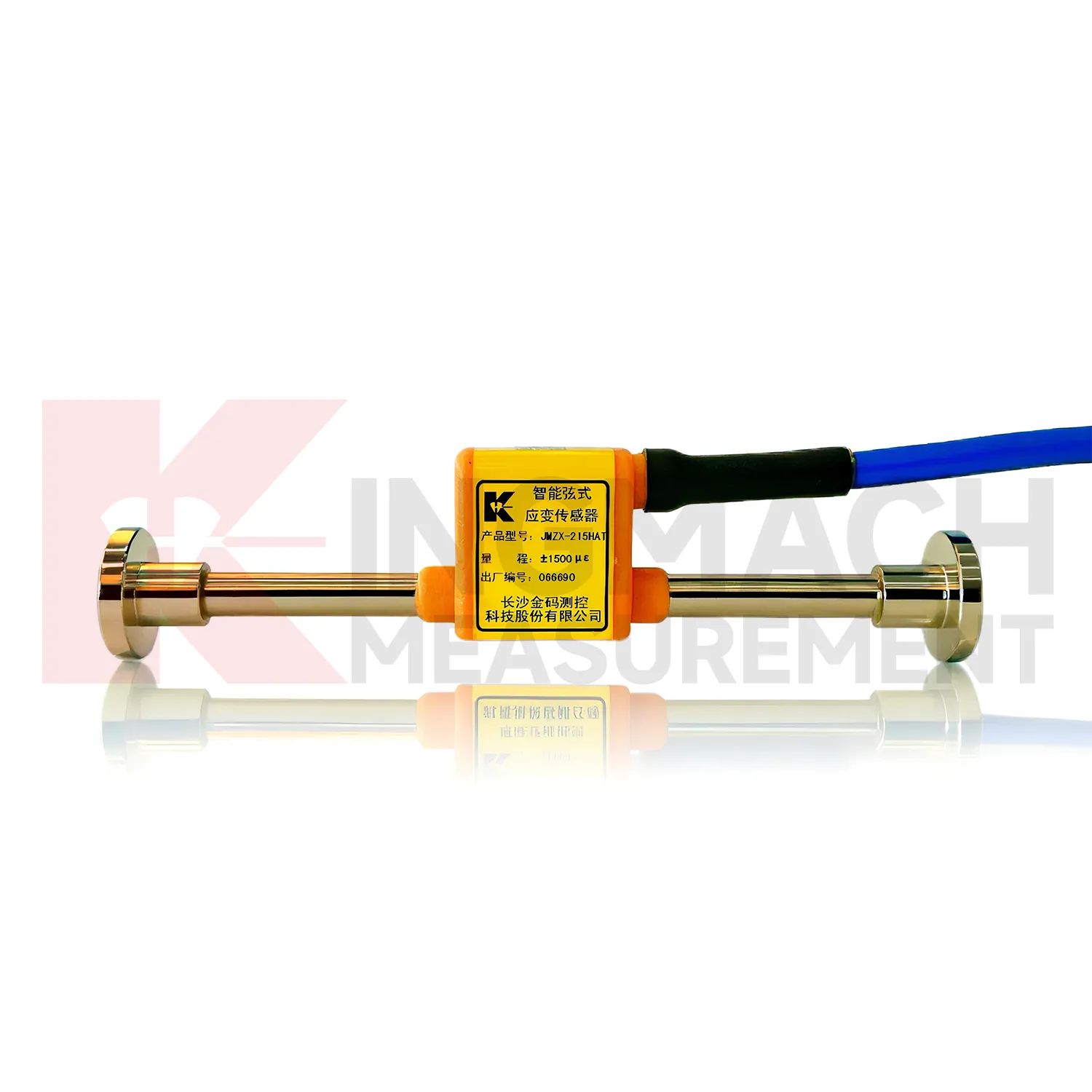
Smart vibrating wire strain gauge (embedment model) JMZX-215HA/215HAT/HB
View Details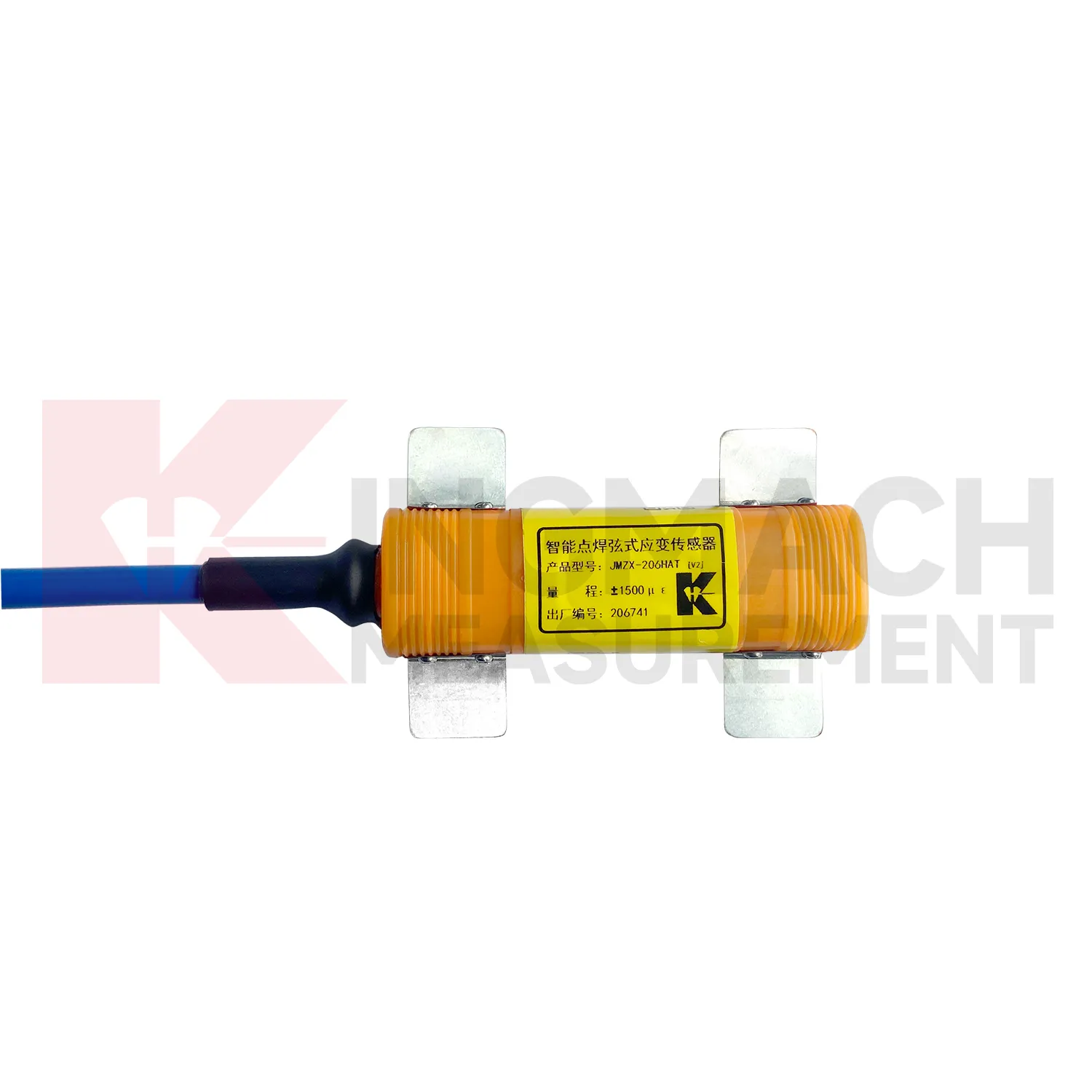
Smart vibrating wire strain gauge (surface welded model) JMZX-206HAT
View DetailsFAQ
Spot-weldable gauges are used on exposed steel surfaces, like piles or tunnel ribs. You weld them directly onto the structure and they measure surface strain. Embedment gauges are cast into concrete during pouring; they have end flanges to lock into the material and measure internal strain.
Yes, standard models are IP68 sealed and can handle continuous submersion at typical geotechnical depths. The cable vent tube prevents water ingress along the cable, but let us know if you need deeper than 100 meters—we have additional sealing options.
The sensors output a millivolt signal from a full Wheatstone bridge. You’ll need a datalogger that can supply excitation voltage (2–5 V) and read mV signals. We can provide wiring diagrams and even pre-configure the logger scaling factors if you tell us your system.
We customize gauge length and backing material to shift the measurement range. Just send us your expected strain limits and the host material, and we’ll propose a configuration. There’s a small NRE fee, but the turnaround is usually under 3 weeks.
With proper installation, 10 years or more is typical. The weak points are usually cable damage or corrosion at exposed connectors. We can supply armoured cable and welding sleeves for extra durability if that’s a concern.
Share your product type, target capacity, and application requirements. Our team can review the details and recommend a practical next step.
If you are interested in our products or want to become our partner.
Please leave your contact information, our team will contact you as soon as possible.
Mail: [email protected]
Contact Us: +8613808434127
Address: No. 188 Tongzipo West Rd, Changsha, Hunan, China