
 EN
EN
 ar
ar bg
bg hr
hr cs
cs da
da nl
nl fi
fi fr
fr de
de el
el hi
hi it
it ko
ko no
no pl
pl pt
pt ro
ro ru
ru es
es sv
sv tl
tl iw
iw id
id lv
lv lt
lt sr
sr sk
sk sl
sl uk
uk vi
vi et
et hu
hu th
th tr
tr fa
fa ms
ms hy
hy ka
ka ur
ur bn
bn mn
mn ta
ta kk
kk uz
uz ku
ku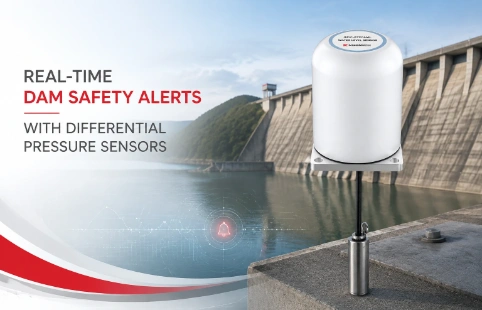
Real-Time Dam Safety Alerts with Differential Pressure Water Level Sensors
Key Takeaways An alert chain needs more than a sensor: define field in...

One Axis Accelerometer: Field-Proven Monitoring
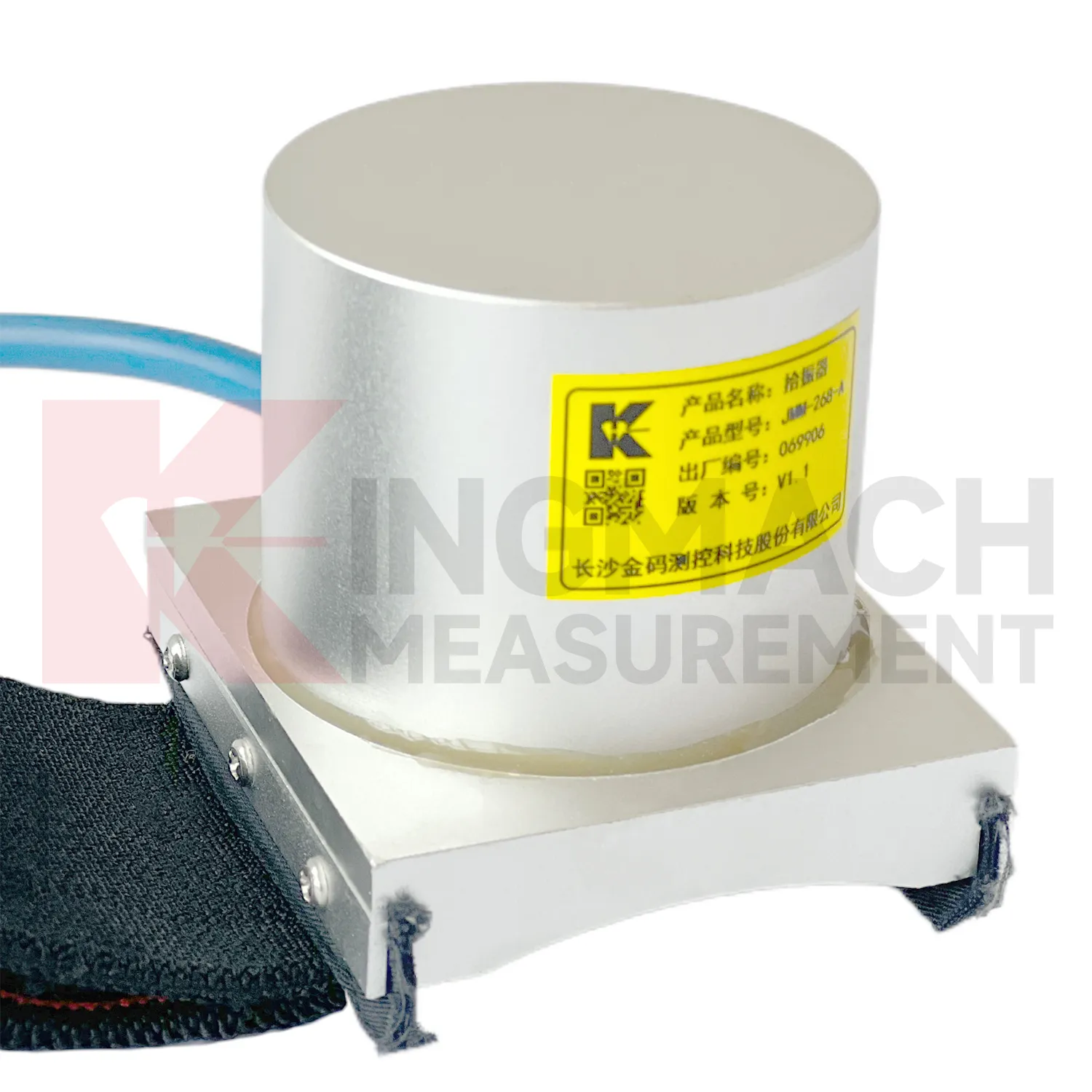
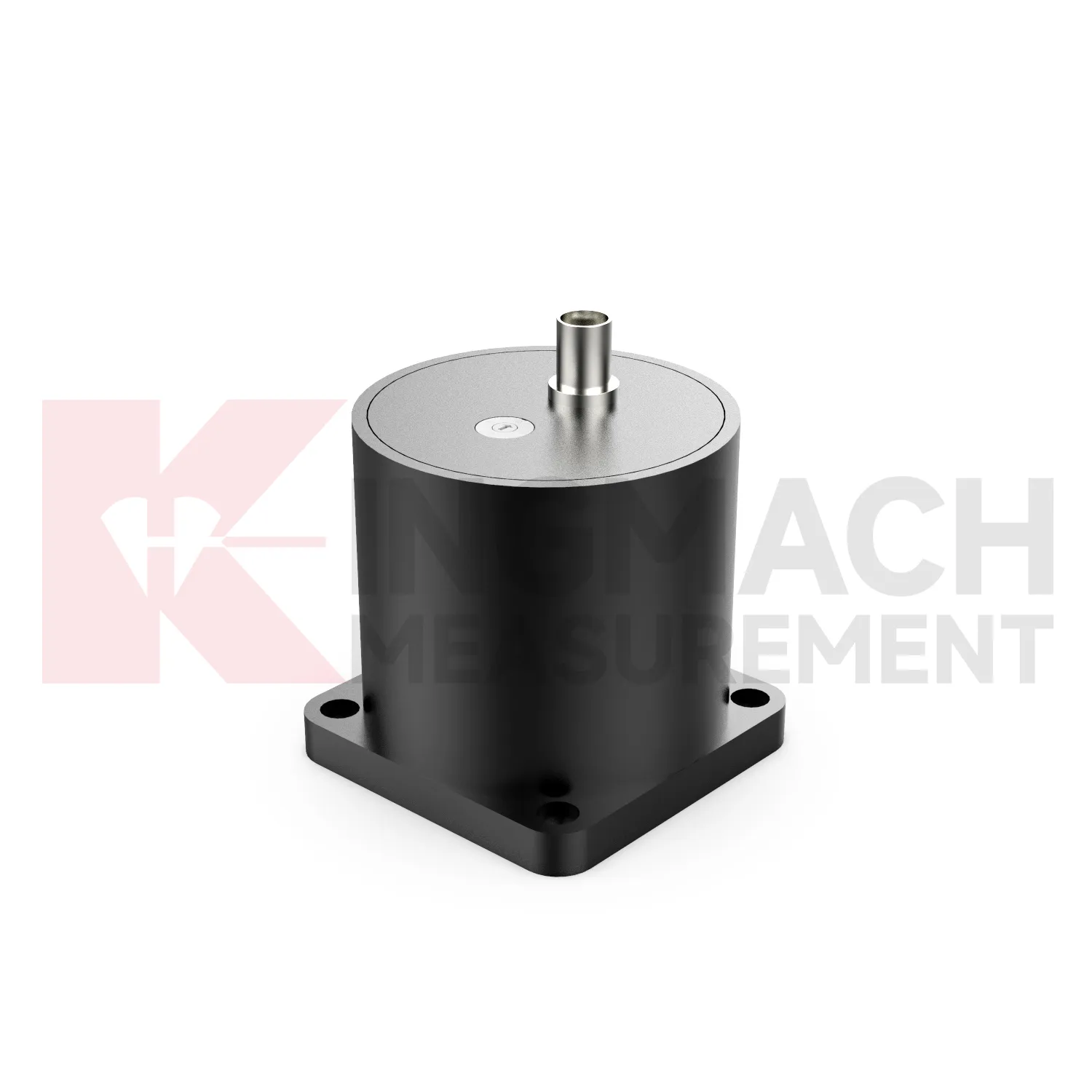
A single axis of measurement is often all that’s needed for slope stability or structural tilt monitoring. But getting clean data from a one axis accelerometer in rough conditions isn’t straightforward. Kingmach builds these sensors to keep working when moisture, temperature swings, and vibration are part of the job. Rather than pushing generic specs, we help you settle on a configuration that fits the actual measurement requirements—whether it’s a particular range, cable length, or mounting style. Our units ship from stock or are customized quickly through a manufacturing setup that’s already served monitoring projects across more than a dozen countries.
Technical Detail
When you’re instrumenting a landslide or a bridge pier, a one axis accelerometer often does exactly what’s required—measures tilt along a single plane, or vibration along one direction, without the extra cost of unused channels. Kingmach units typically use MEMS or force-balance sensing elements, depending on the resolution and frequency response you need. The standard housing is stainless steel, sealed to IP67 or better, but we can offer aluminum or custom flanges if your mounting surface is uneven. Output is usually 4–20 mA or ±5V differential; digital RS-485 is also possible. Field wiring is simplified by an internal voltage regulator that handles a wide input range, so you don’t need a perfectly stable supply in a remote site. Inside, the sensor is mechanically isolated and damped to reject high-frequency noise that can swamp low-level tilt signals. This pays off in applications like retaining wall monitoring, where daily thermal cycles can fool a poorly designed sensor. We also match the accelerometer to a range that keeps the output in its linear region for the expected motion—if you’re measuring sub-millimeter tilt on a concrete dam, we won’t sell you a ±30 g unit and call it “high resolution.” Beyond the hardware, the draw for many users is the ability to get a complete package: accelerometer, mounting bracket, signal conditioner, and calibration sheet, all tested together before shipment. Kingmach’s technical team often works with consulting engineers during the specification phase to avoid mismatches between the sensor and the data logger. This kind of support, combined with a wide distributor network, means you’re not on your own when a project deadline is approaching.
News
Key Takeaways An alert chain needs more than a sensor: define field in...
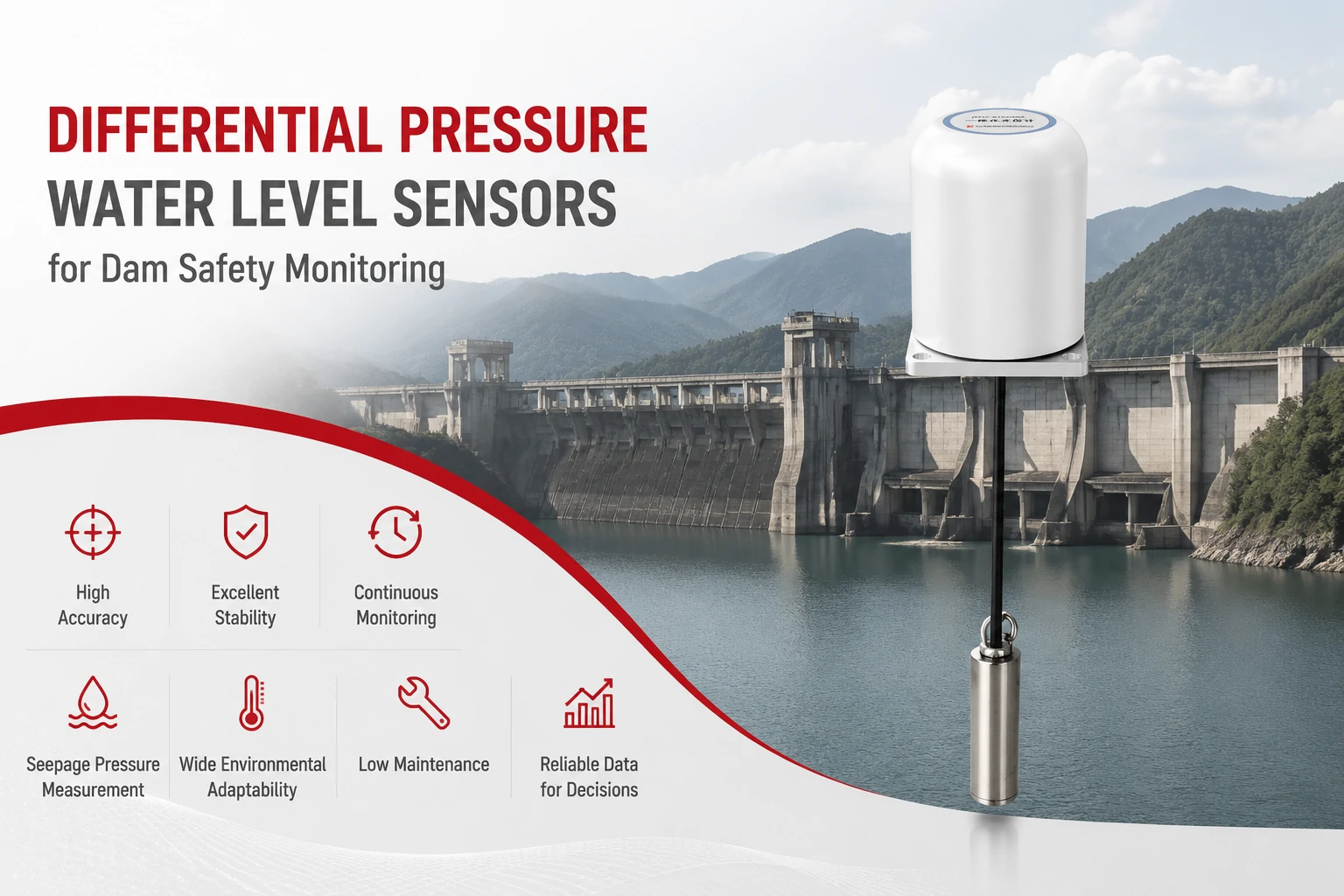
Key Takeaways The strongest fit is usually a confined, submerged, or s...
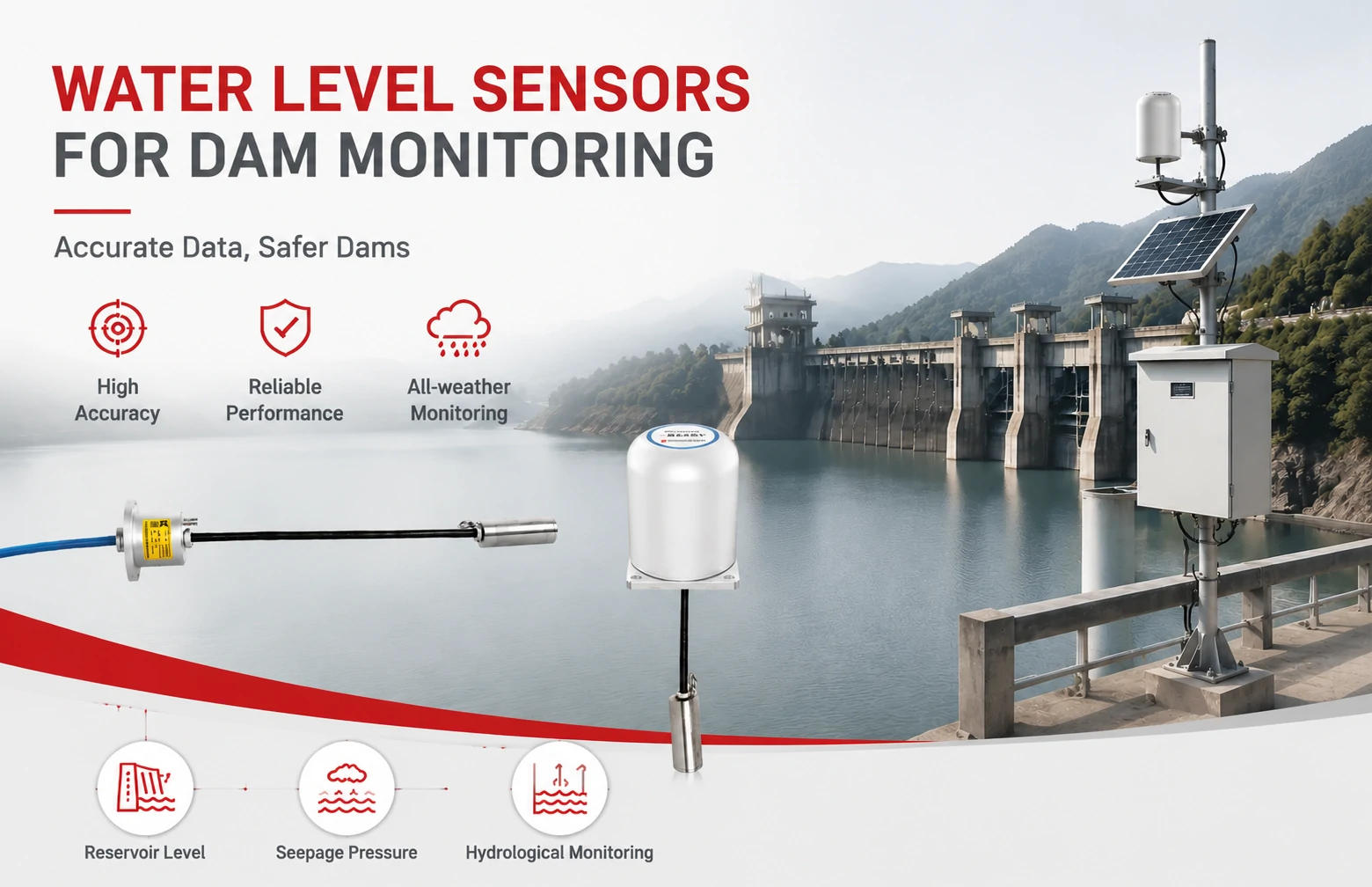
Kingmach Water Level Sensors for Dam Monitoring: A Buyer's Guide to Differential Pre...
Products
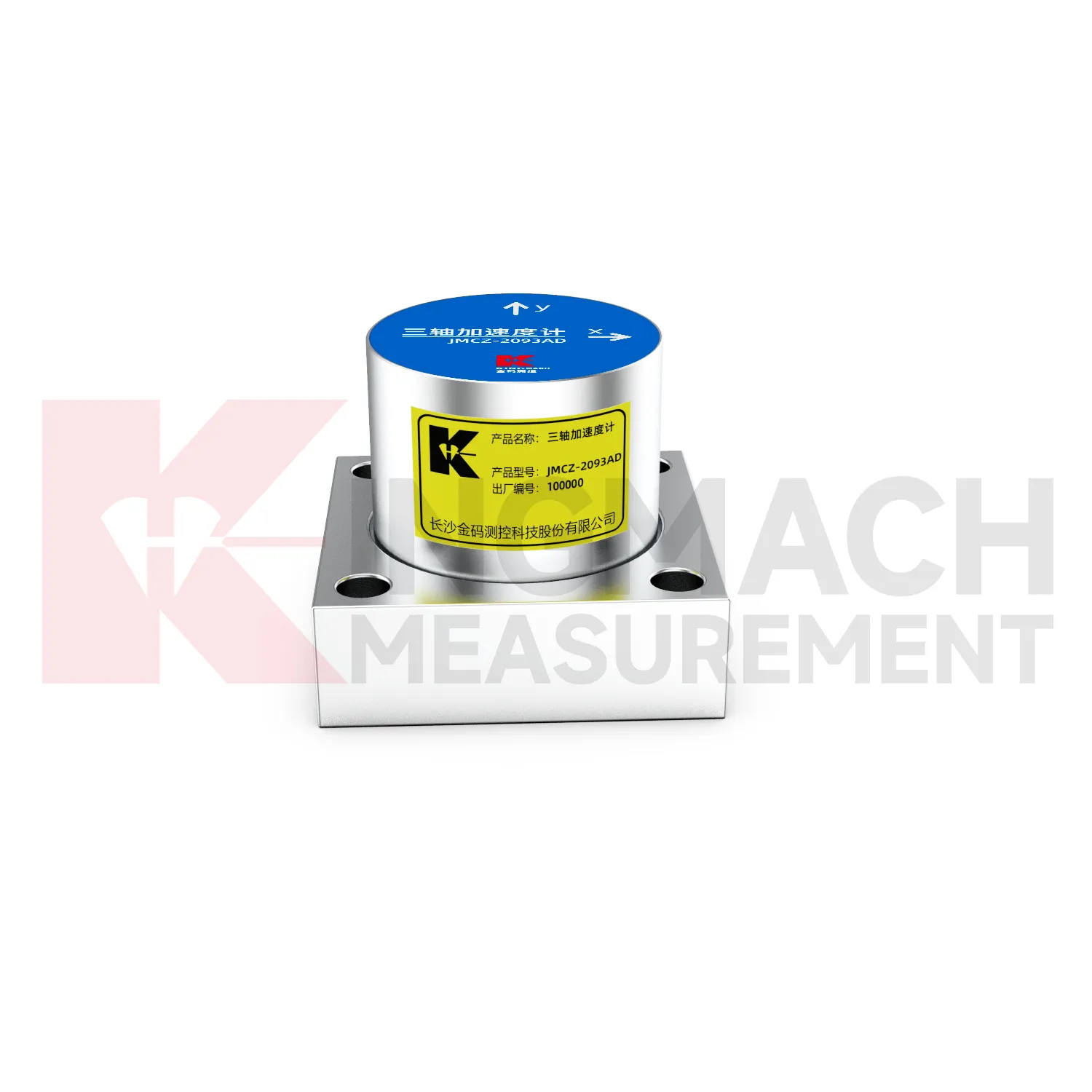
FAQ
A one axis accelerometer measures acceleration or tilt in a single direction. If you only need to monitor inclination along one plane—for example, checking whether a retaining wall is tilting outward—adding two extra axes just increases cost and complicates cabling. Triaxial units are useful when movement can occur in any direction, but many geotechnical and structural jobs are deliberately aligned to a known axis of concern.
It depends on how much motion you expect. For slow, subtle tilt on a dam or tower, a range of ±2 g or ±30° might be enough. If you’re monitoring seismic vibration or sudden impacts, you’d need a wider range like ±10 g or more. Over-ranging saturates the output, and under-ranging loses resolution. We usually ask about the expected maximum acceleration and the smallest change you need to detect, then suggest a range that gives plenty of headroom.
Yes. Standard cables are often PVC-jacketed for light-duty installations, but many of our users order polyurethane or armored cables for burial or rocky environments. Lengths from 5 m to over 200 m are possible; long runs may need a local signal conditioner to avoid electrical noise, and we can supply that too.
Each unit is calibrated against a reference inclinometer or shaker table depending on the type, and a calibration sheet with test data is included. MEMS sensors are generally stable, but any sensor can show minor offset drift over years. For critical long-term monitoring, we recommend periodic zero-checking in the field, which is why we often include a built-in bubble level or reference points on the housing.
Share your product type, target capacity, and application requirements. Our team can review the details and recommend a practical next step.
If you are interested in our products or want to become our partner.
Please leave your contact information, our team will contact you as soon as possible.
Mail: [email protected]
Contact Us: +8613808434127
Address: No. 188 Tongzipo West Rd, Changsha, Hunan, China