
 EN
EN
 ar
ar bg
bg hr
hr cs
cs da
da nl
nl fi
fi fr
fr de
de el
el hi
hi it
it ko
ko no
no pl
pl pt
pt ro
ro ru
ru es
es sv
sv tl
tl iw
iw id
id lv
lv lt
lt sr
sr sk
sk sl
sl uk
uk vi
vi et
et hu
hu th
th tr
tr fa
fa ms
ms hy
hy ka
ka ur
ur bn
bn mn
mn ta
ta kk
kk uz
uz ku
ku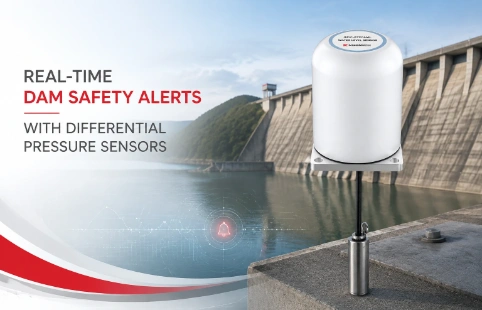
Real-Time Dam Safety Alerts with Differential Pressure Water Level Sensors
Key Takeaways An alert chain needs more than a sensor: define field in...

Why Load Cell Failure Happens and How to Avoid It
A load cell quits working right when you need it most—that’s the reality site engineers dread. Weight readings drift, zero shifts, or the signal just dies. While no sensor lasts forever, many load cell failures trace back to a handful of preventable causes. Overload, moisture ingress, cable damage, or installation missteps often play a part. Kingmach has spent years in the geotechnical and weighing field, seeing these patterns repeat across projects. Instead of just shipping a replacement, we focus on helping you pinpoint what actually went wrong. A sensor swap alone won’t stop the same issue from returning in six months. This page lays out the typical failure modes we encounter and the practical steps that keep your systems running longer. Whether you’re dealing with a single weighbridge or a full tunnel monitoring array, knowing the weak points saves time and budget.
Technical Detail
Load cell failure doesn’t usually come out of nowhere. In our experience at Kingmach, three root causes account for most returns we inspect. First is mechanical overload—shock loads beyond the rated capacity, even briefly, can deform the spring element and throw calibration off permanently. Second, water and dust ingress. An OEM sensor with inadequate sealing works fine in the lab but slowly drifts on a damp construction site. Third, electrical damage from surges or improper wiring. These aren’t esoteric problems; they show up in crane scales, batching systems, pile testing, and embankment monitoring. Kingmach designs its sensors with guard bands built into the housing, welds that withstand typical field rigors, and strain gauge encapsulation that resists moisture migration. For projects with tough environmental specs, we can customize sealing and cable armor. That’s not a special add-on—it’s how we think about making sensors that last where generic units fail. If a failure does occur, our technical team often asks for photos of the installation and the failed part first. That helps diagnose whether the issue was a one-off defect or a systematic problem with mounting or grounding. By feeding these field findings back into production, we keep refining the failure points out. A load cell that survives daily use without babysitting is the only kind worth installing.
News
Key Takeaways An alert chain needs more than a sensor: define field in...
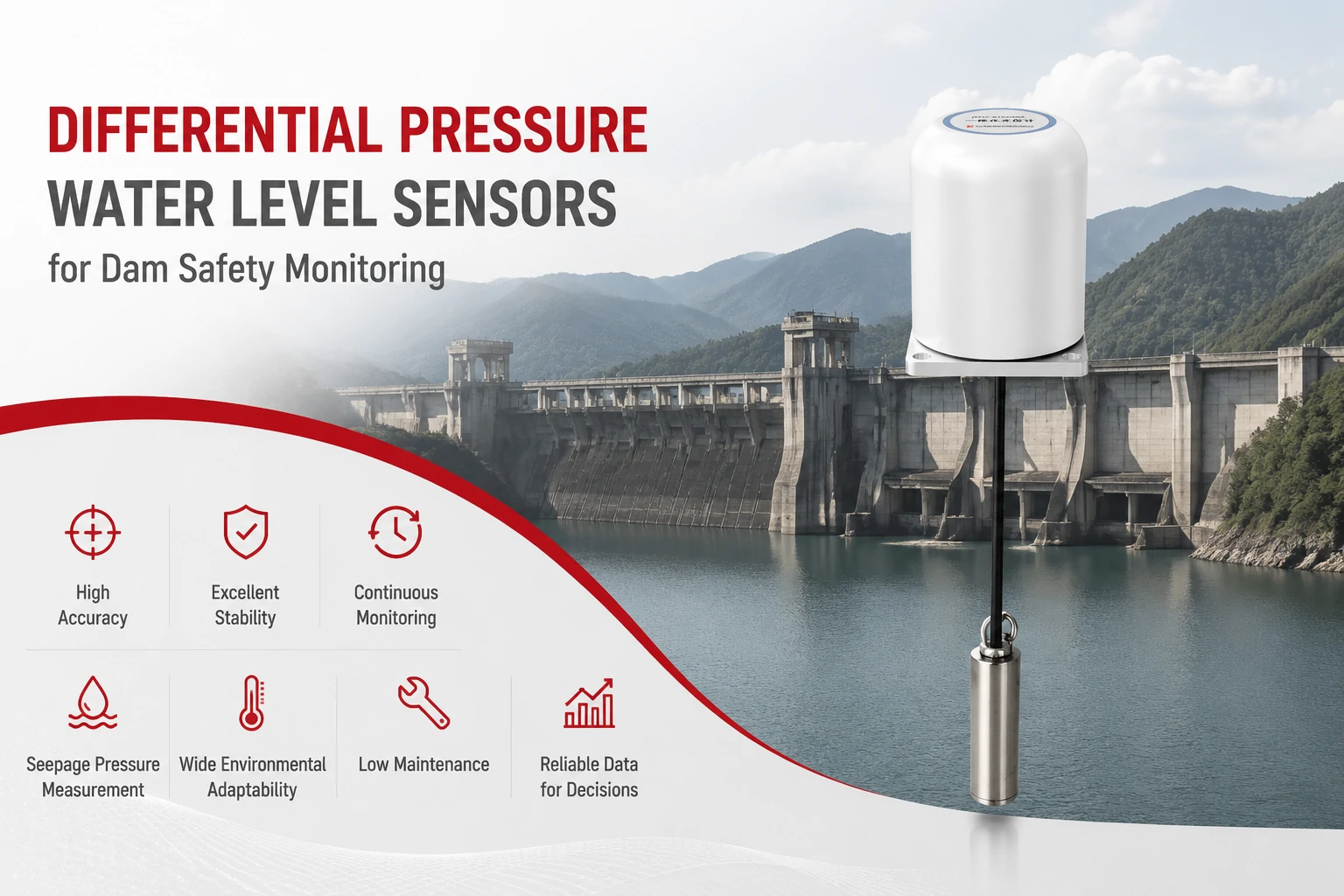
Key Takeaways The strongest fit is usually a confined, submerged, or s...
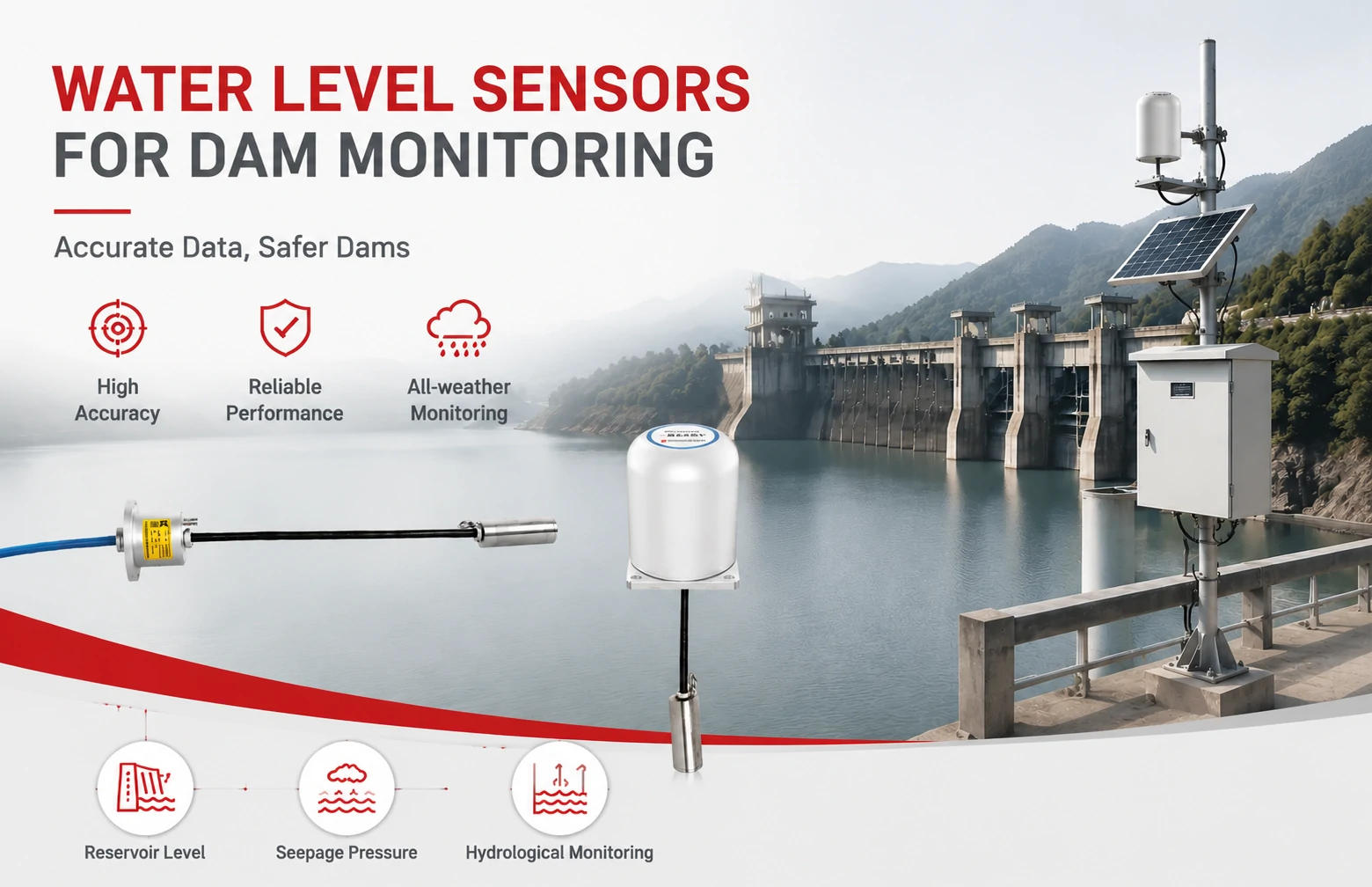
Kingmach Water Level Sensors for Dam Monitoring: A Buyer's Guide to Differential Pre...
Products
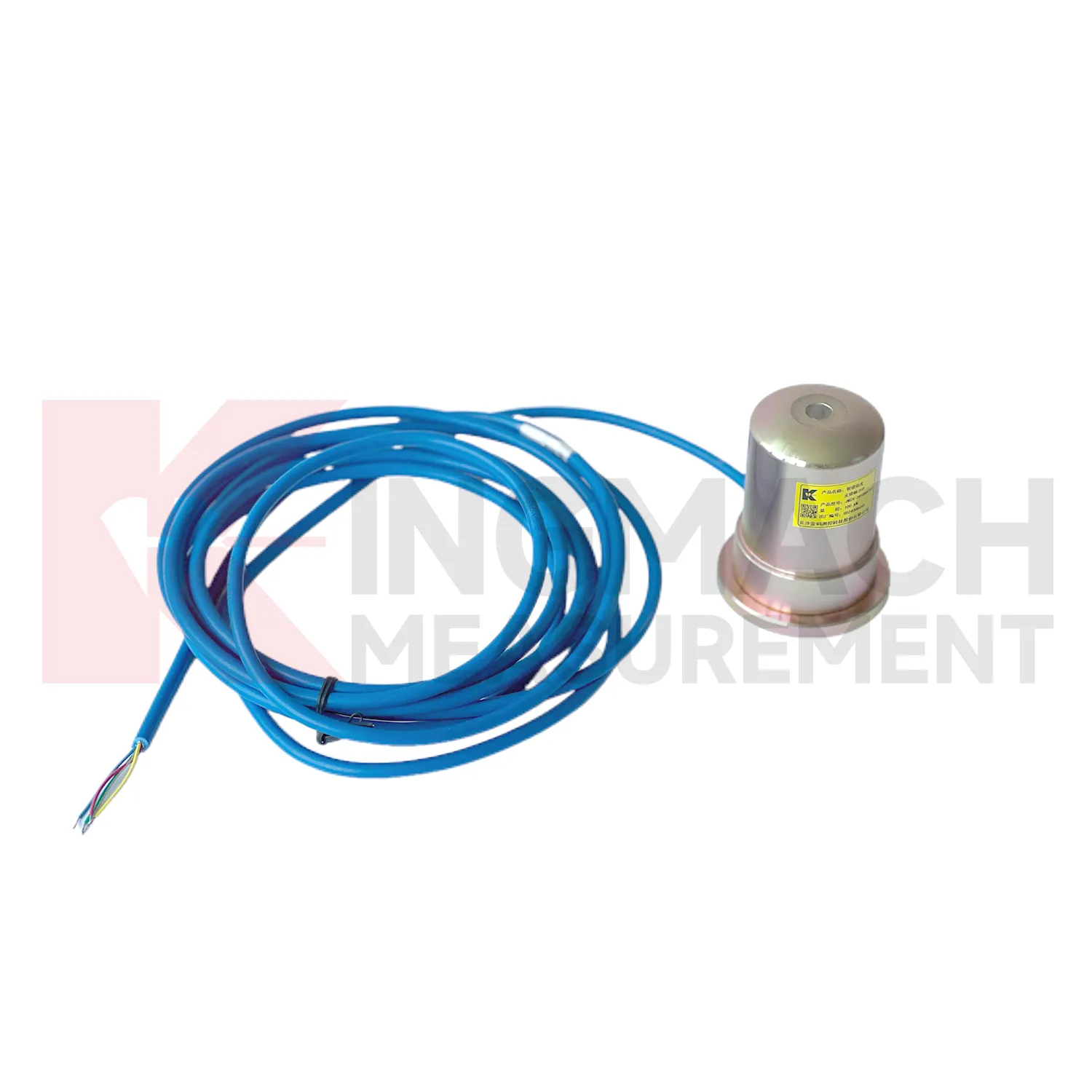
Smart Formwork Axial Force Meter(VW)JMZX-39XXHAT
View Details
Solid load cell JMZX-34XXHAT、35XXHAT、36XXHAT
View DetailsFAQ
Drift in the zero balance, random noise on the signal, or readings that won’t stabilize under a known weight. Sometimes the output just locks at a fixed value. If you tap the cell and the reading jumps, that’s often a sign of a broken bond layer or internal damage.
Yes. Exceeding the safe overload limit—usually 150% of rated capacity for good designs—can permanently deform the metal, shifting the calibration. The cell might still output something, but accuracy and linearity are gone. In critical applications, that’s as bad as total failure.
Look for IP68 or IP69K ratings if the sensor will be submerged or pressure-washed. Even then, cable entries are the weak spot. Kingmach seals cable glands with potting compound and uses vent tubes with Gore membranes to equalize pressure without letting water in. Site practices matter too: never leave a cable junction sitting in a puddle.
Usually a latent issue that finally propagates. A small crack in the strain gauge bond grows, a moisture film slowly corrodes a connection until resistance spikes trigger erratic readings. In some cases, fatigue from cyclic loading causes a fracture. A sudden failure often has a slow, hidden start.
Check the mounting hardware first—loose bolts or binding on the mount can mimic sensor failure. Verify the excitation voltage at the cell and look for damaged cable insulation. Swap the indicator with a known good cell if possible. Many returns we see at Kingmach aren’t sensor failures at all, just installation issues that a simple field check would catch.
Share your product type, target capacity, and application requirements. Our team can review the details and recommend a practical next step.
If you are interested in our products or want to become our partner.
Please leave your contact information, our team will contact you as soon as possible.
Mail: [email protected]
Contact Us: +8613808434127
Address: No. 188 Tongzipo West Rd, Changsha, Hunan, China