
 EN
EN
 ar
ar bg
bg hr
hr cs
cs da
da nl
nl fi
fi fr
fr de
de el
el hi
hi it
it ko
ko no
no pl
pl pt
pt ro
ro ru
ru es
es sv
sv tl
tl iw
iw id
id lv
lv lt
lt sr
sr sk
sk sl
sl uk
uk vi
vi et
et hu
hu th
th tr
tr fa
fa ms
ms hy
hy ka
ka ur
ur bn
bn mn
mn ta
ta kk
kk uz
uz ku
ku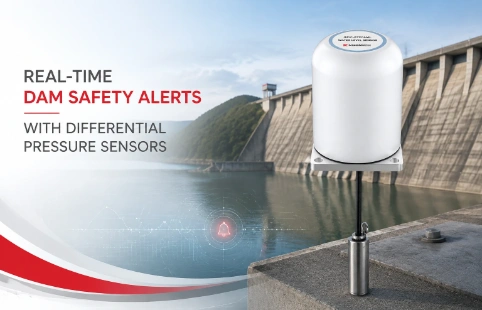
Real-Time Dam Safety Alerts with Differential Pressure Water Level Sensors
Key Takeaways An alert chain needs more than a sensor: define field in...

Displacement Sensors That Fit Your Monitoring Project
Most displacement sensors on the market force you to adapt your project to their specs. We do it the other way around. Kingmach builds instruments for geotechnical and structural monitoring where standard products often fall short, and we tailor range, output, and installation method to real conditions – whether you’re measuring crack movement in a dam or convergence in a tunnel lining.
Technical Detail
Kingmach displacement sensors are used worldwide for monitoring deformation in civil engineering and mining. Instead of chasing the highest resolution on a datasheet, we focus on what actually matters on site: long-term stability, simple mounting, and signal compatibility with your existing readout systems. You can get potentiometric, vibrating wire, or LVDT-based sensors, each with IP68-rated protection as standard. Ranges run from a few millimeters for crack joints up to 500 mm for larger structural movements. The body is stainless steel, and we offer both rod-type and cable-type extensometer styles. Every sensor can be ordered with a specific signal output – 4–20 mA, 0–5 V, RS485, or frequency – so you don’t need to add converters. If your application involves high groundwater pressure or aggressive soils, we can supply sensors with enhanced sealing and a reinforced sheath. And because we handle technical support and after-sales directly, you won’t get stuck waiting for a overseas response when a sensor needs re-ranging or a different mounting bracket.
News
Key Takeaways An alert chain needs more than a sensor: define field in...
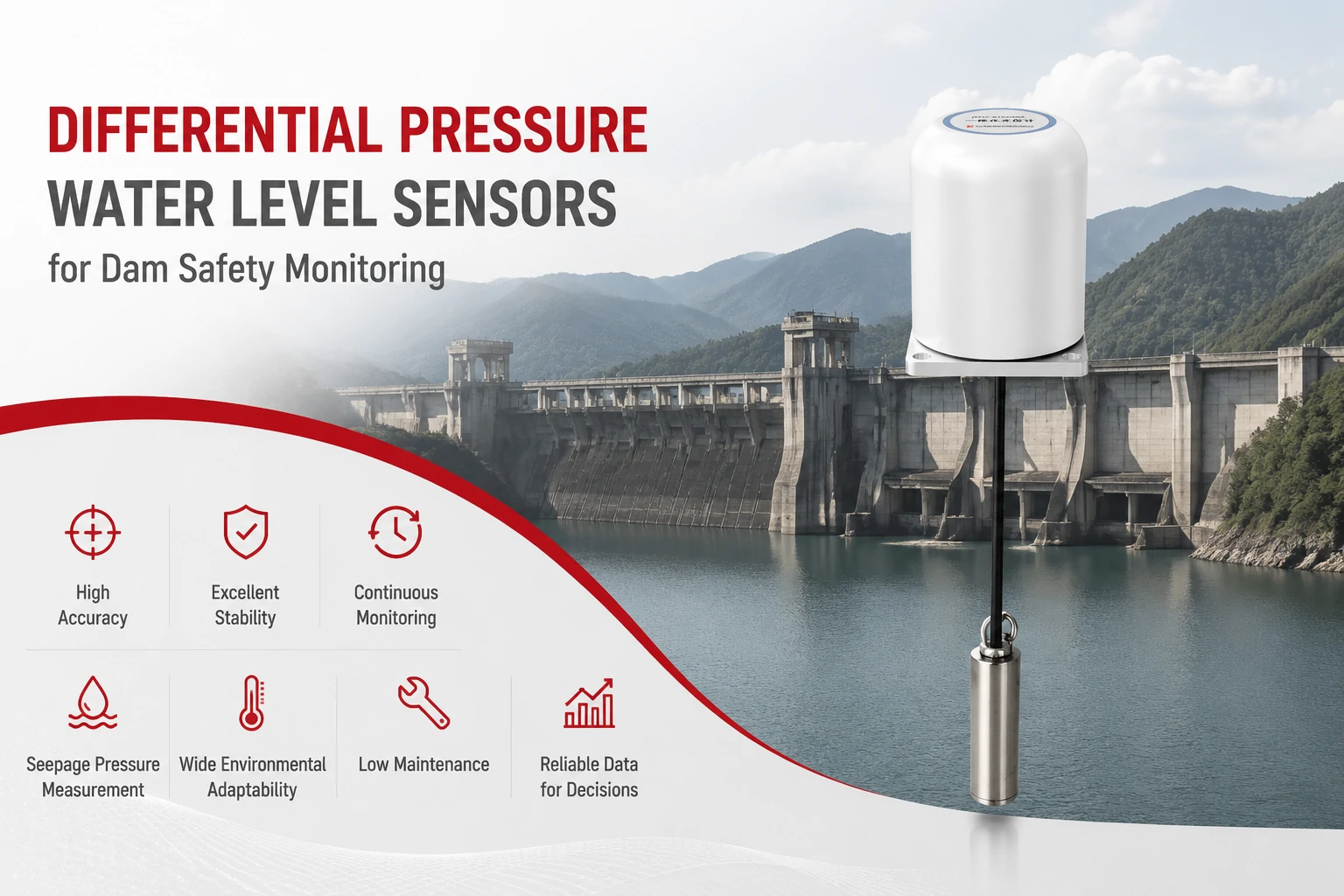
Key Takeaways The strongest fit is usually a confined, submerged, or s...
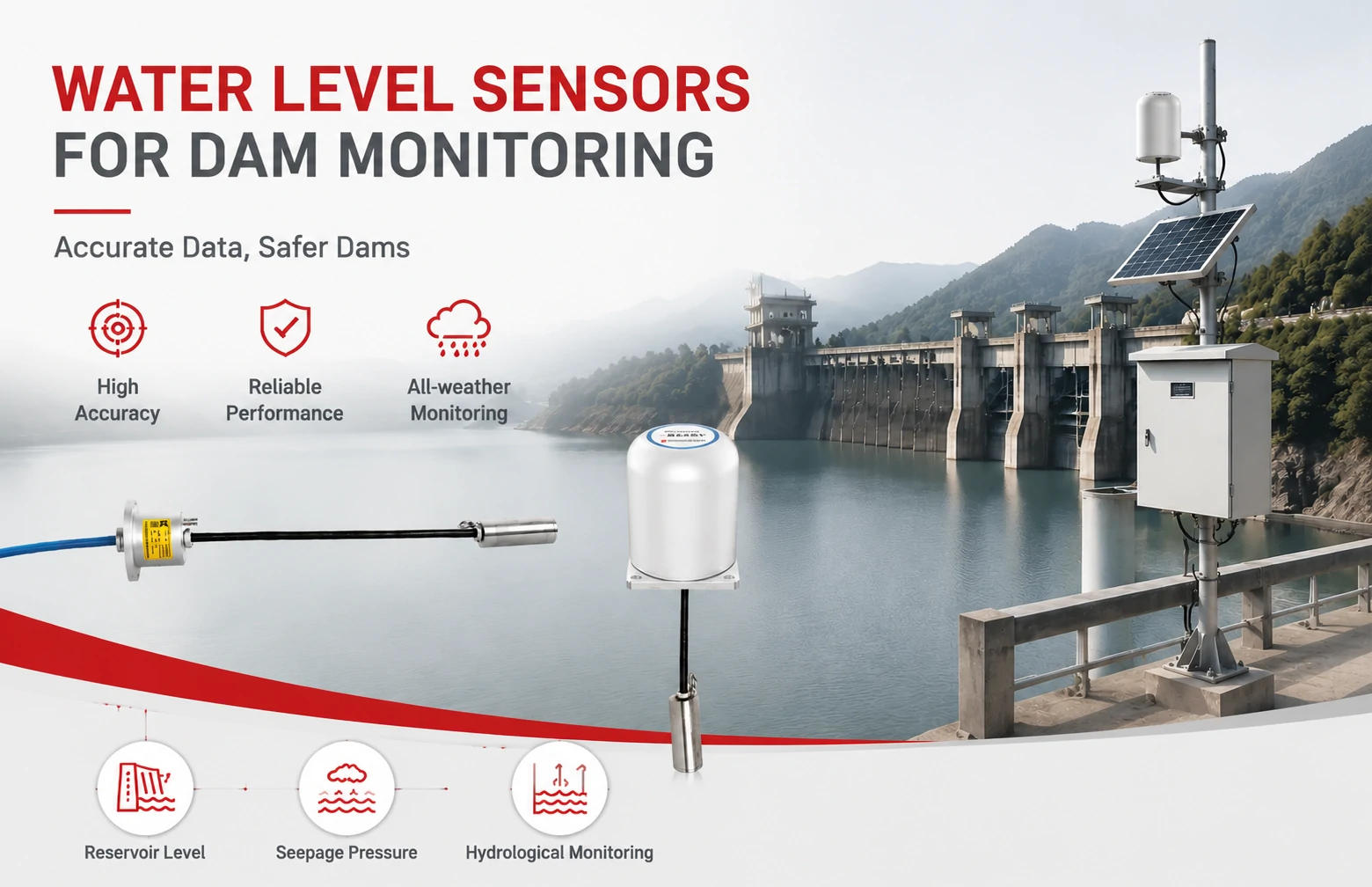
Kingmach Water Level Sensors for Dam Monitoring: A Buyer's Guide to Differential Pre...
Products
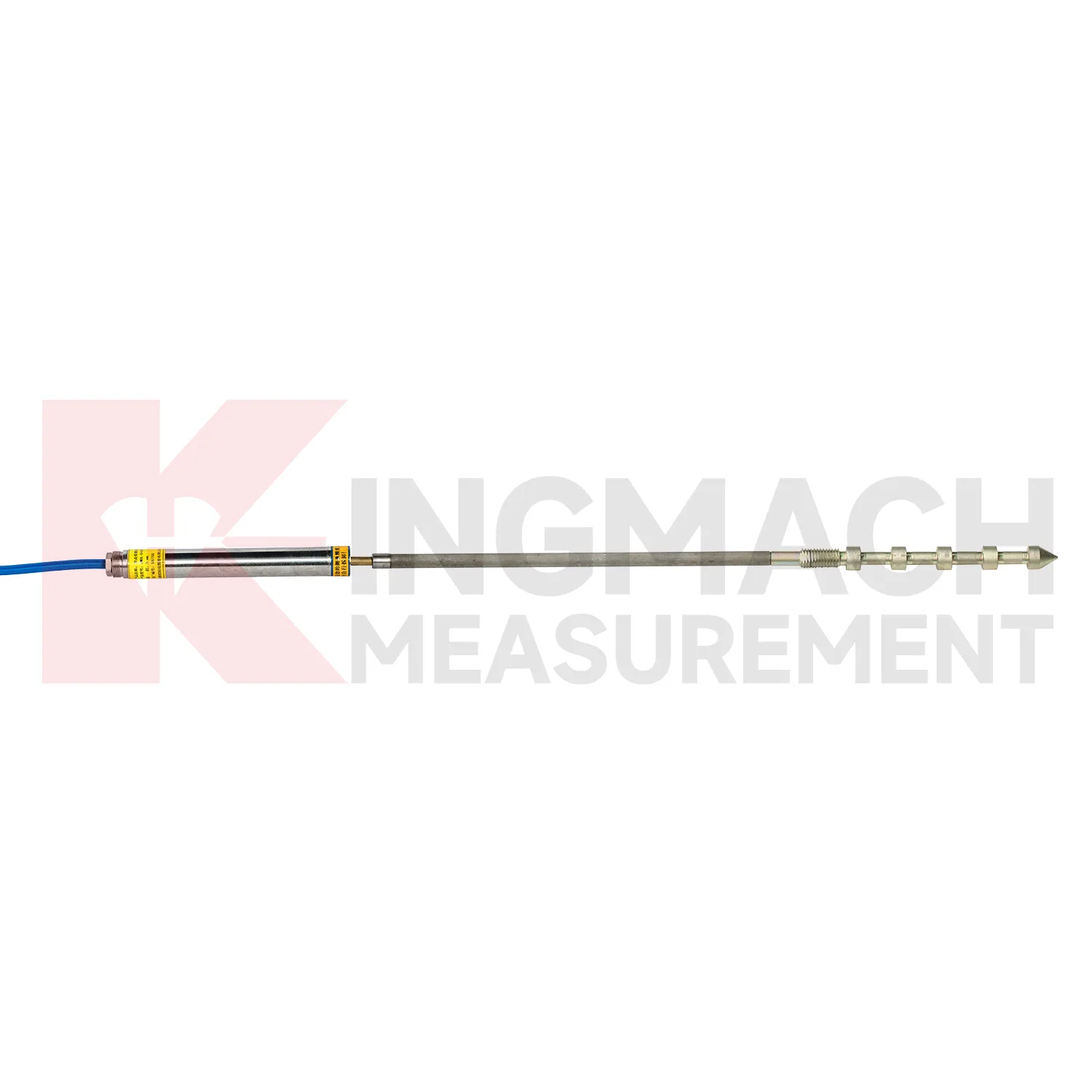
Smart Single-Point Bedrock Displacement Meter JMDL-32XXAT
View Details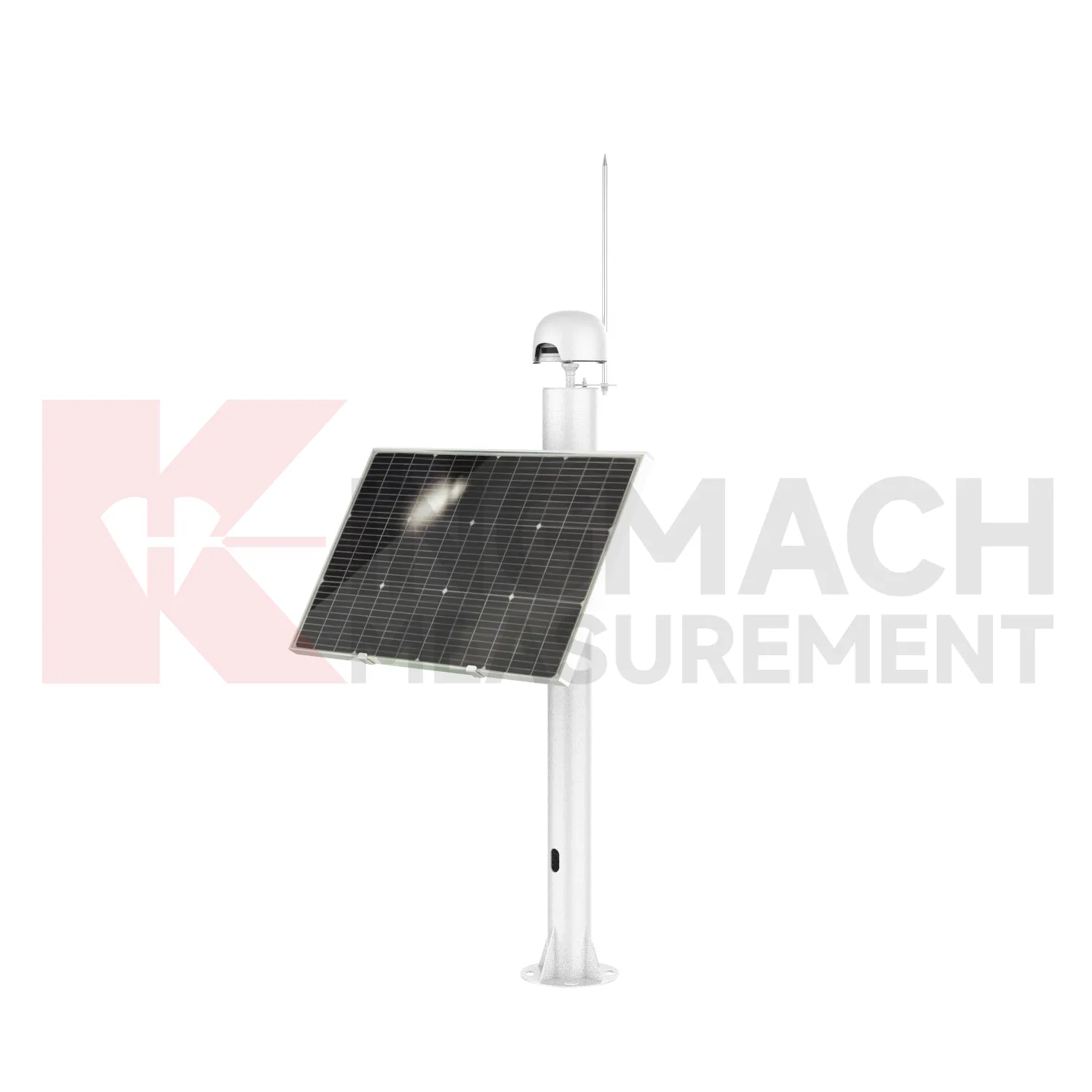
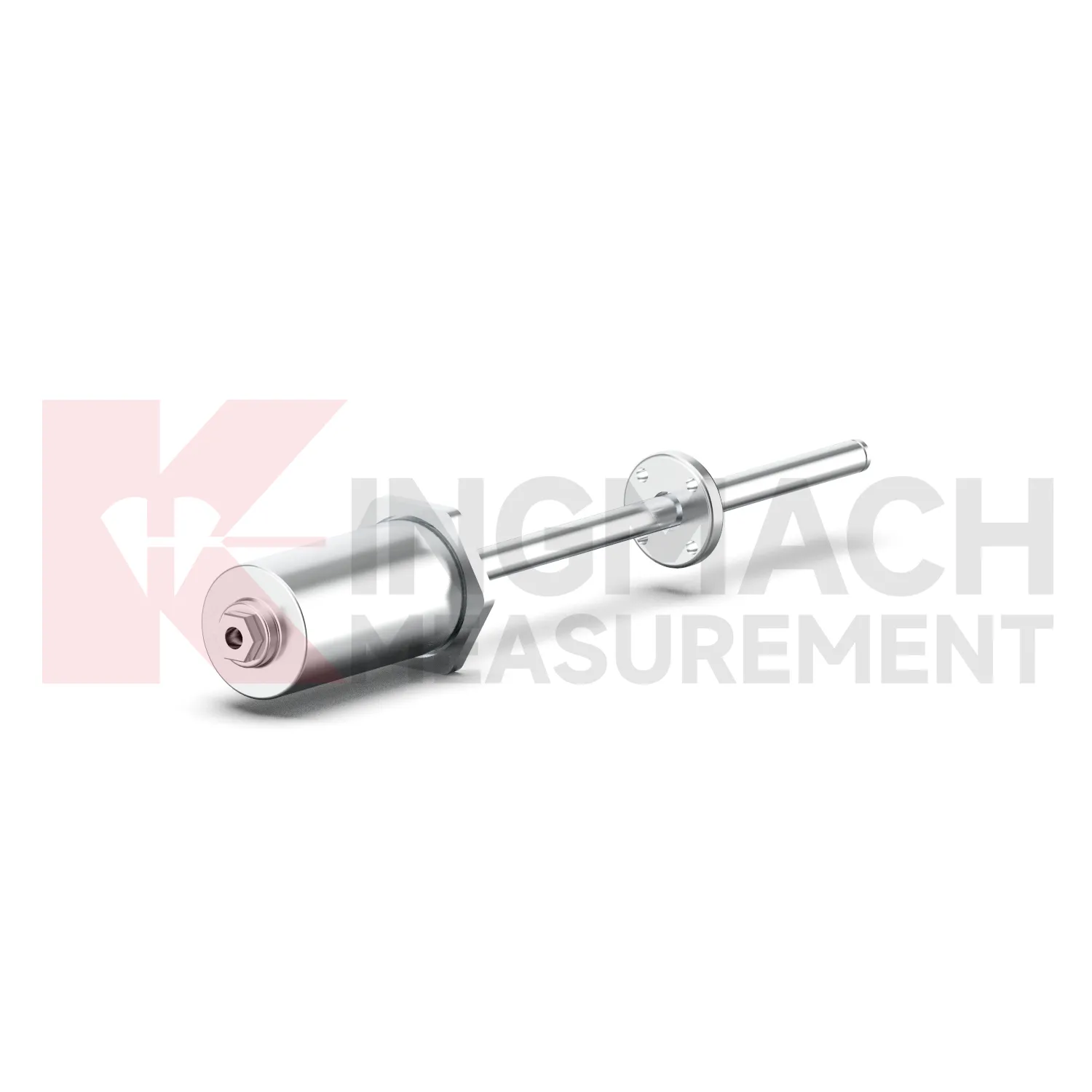
Magnetostrictive Displacement Meter JMCW-21XXADT
View DetailsFAQ
Standard sensors may fail over time if water enters the housing. For saturated conditions, we recommend our IP68-sealed models with additional potting inside the connector. These have been used in reservoir slope projects without drift issues. Just specify the expected submersion depth when ordering.
Rod types are easier to install in drilled boreholes when the path is straight. Cable types make sense if the measurement line has bends or if the installation space is tight, because the cable can route around obstacles. Both can be anchored at a reference point outside the deformation zone. We usually suggest a quick sketch of your tunnel cross-section so we can pick the right mounting kit.
If your datalogger accepts a 4–20 mA current loop, that’s the simplest option – it’s immune to long cable runs. For vibrating wire loggers like Campbell Scientific or GEOKON, choose the VWI output. We can also supply RS485 digital output if you need to chain sensors on a bus. Just tell us your logger model and we’ll match the output.
Yes, as standard we include adjustable L-brackets and expansion bolts. For steel structures, we supply magnetic bases or welding tabs. We’ve seen too many bad readings because the sensor was tied with wire, so we make sure the mechanics are solid from the start.
Share your product type, target capacity, and application requirements. Our team can review the details and recommend a practical next step.
If you are interested in our products or want to become our partner.
Please leave your contact information, our team will contact you as soon as possible.
Mail: [email protected]
Contact Us: +8613808434127
Address: No. 188 Tongzipo West Rd, Changsha, Hunan, China