
 EN
EN
 ar
ar bg
bg hr
hr cs
cs da
da nl
nl fi
fi fr
fr de
de el
el hi
hi it
it ko
ko no
no pl
pl pt
pt ro
ro ru
ru es
es sv
sv tl
tl iw
iw id
id lv
lv lt
lt sr
sr sk
sk sl
sl uk
uk vi
vi et
et hu
hu th
th tr
tr fa
fa ms
ms hy
hy ka
ka ur
ur bn
bn mn
mn ta
ta kk
kk uz
uz ku
ku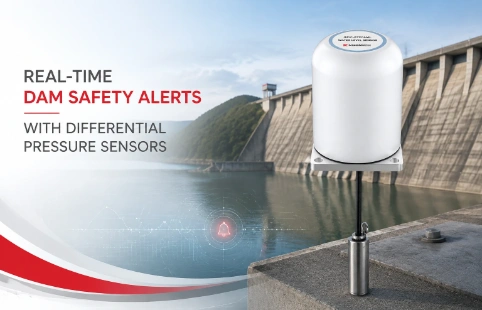
Real-Time Dam Safety Alerts with Differential Pressure Water Level Sensors
Key Takeaways An alert chain needs more than a sensor: define field in...

Bonded Strain Gauge Solutions for Reliable Stress Monitoring
Every crack in a dam wall, every subtle shift in a tunnel lining tells a story. Capturing that story before it becomes a failure depends on small but decisive details—like a bonded strain gauge. These sensors turn mechanical deformation into measurable electrical signals, providing engineers with the data they need to assess structural health. Kingmach Measurement & Monitoring Technology has spent years refining the production of these gauges for geotechnical applications. Rather than offering generic catalog parts, the team works with project requirements to deliver sensors that fit specific concrete, steel, or composite surfaces. The result is stress monitoring that holds up under temperature swings, moisture, and long-term load, without drifting into noise. From initial design to field support, Kingmach keeps the process simple so that the gauge becomes a dependable part of your monitoring network.
Technical Detail
A bonded strain gauge is a thin metallic foil pattern laminated onto a backing material, then glued directly to the test surface. When the surface stretches or compresses, the foil deforms, changing electrical resistance in a repeatable way. This basic principle underlies most modern structural monitoring, but execution matters—bad bonding, moisture ingress, or poor temperature compensation can render readings useless. Kingmach draws on its background as a geotechnical instrument manufacturer to produce bonded strain gauges that handle real-world conditions. For instance, the foil alloys are chosen to minimize self-heating effects and to match the thermal expansion of common construction materials. Backing materials balance flexibility with durability, so the gauge stays stable when embedded in concrete or attached to steel piles. The factory also pre-attaches lead wires and seals the gauge face against humidity, which saves time during field installation. Because Kingmach maintains its own calibration rigs, each sensor comes with a verified gauge factor and wiring diagram, cutting guesswork during commissioning. On projects that need non-standard shapes or extra-long cables, the engineering group adapts the design without pushing lead times into the unpredictable. This mix of in-house control and application know-how means that when a bonded strain gauge leaves the Kingmach facility, it’s ready to deliver clean data in the environments where you actually work.
News
Key Takeaways An alert chain needs more than a sensor: define field in...
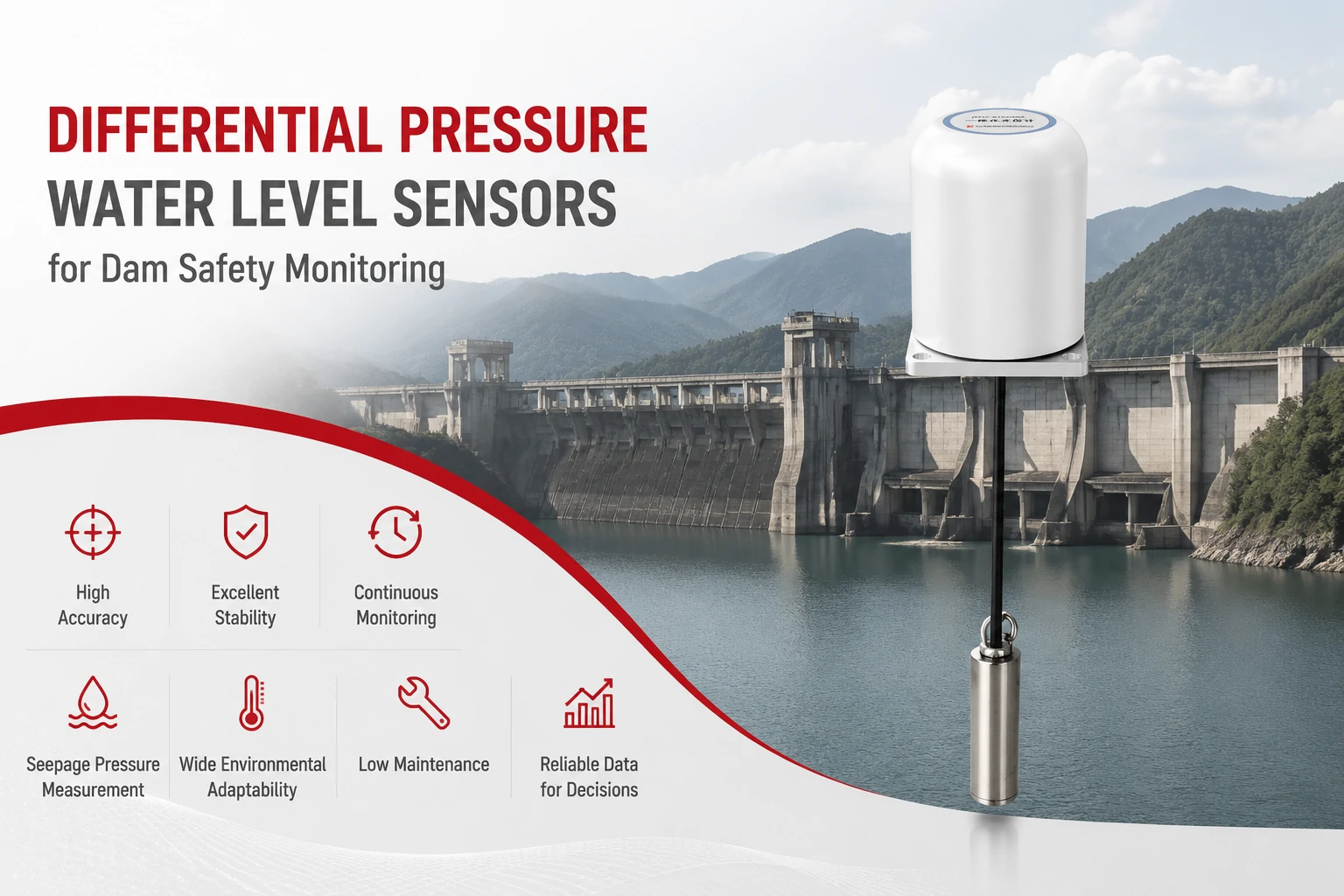
Key Takeaways The strongest fit is usually a confined, submerged, or s...
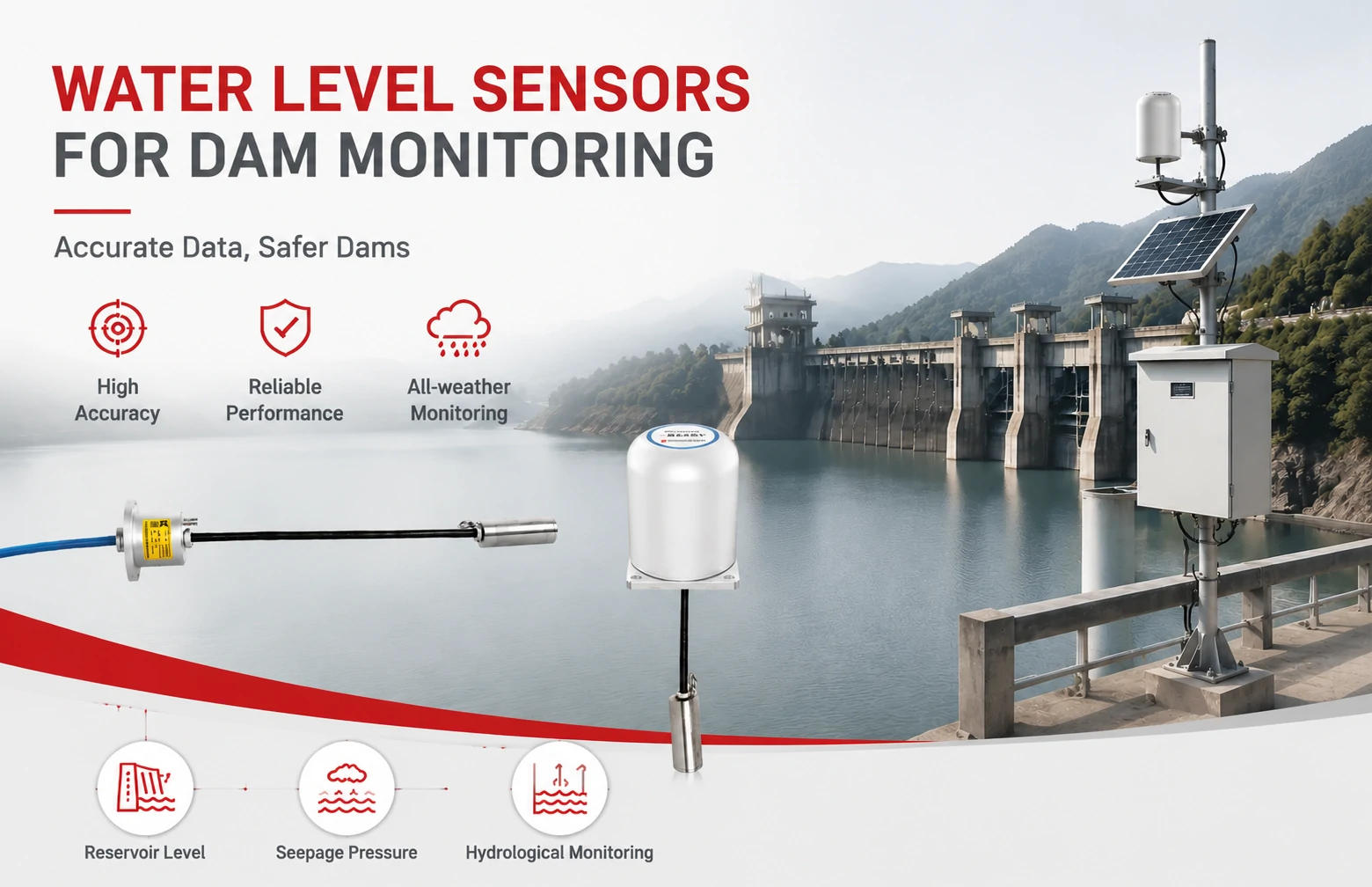
Kingmach Water Level Sensors for Dam Monitoring: A Buyer's Guide to Differential Pre...
Products
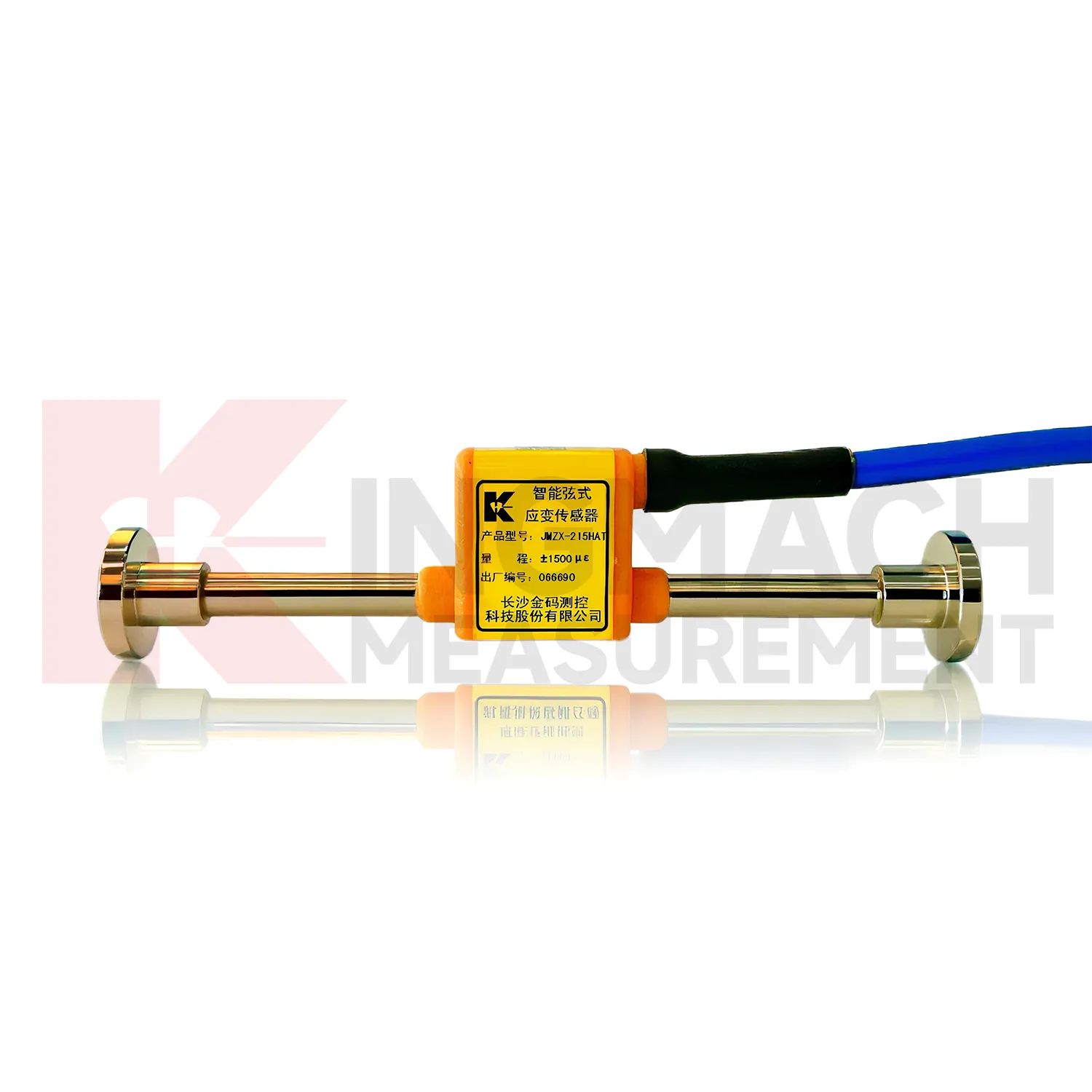
Smart vibrating wire strain gauge (embedment model) JMZX-215HA/215HAT/HB
View Details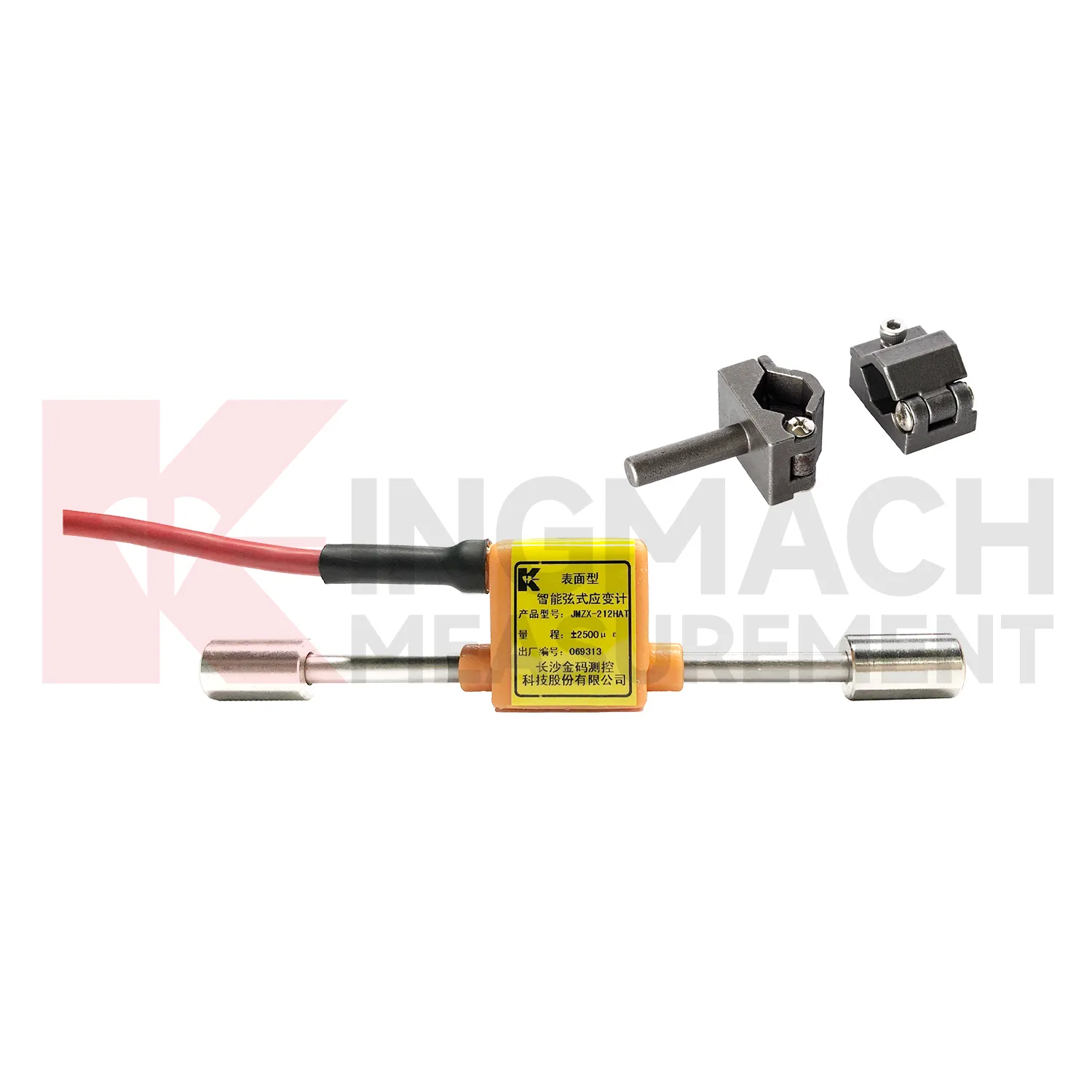
Smart vibrating wire strain gauge (surface model) JMZX-212HAT/HB
View Details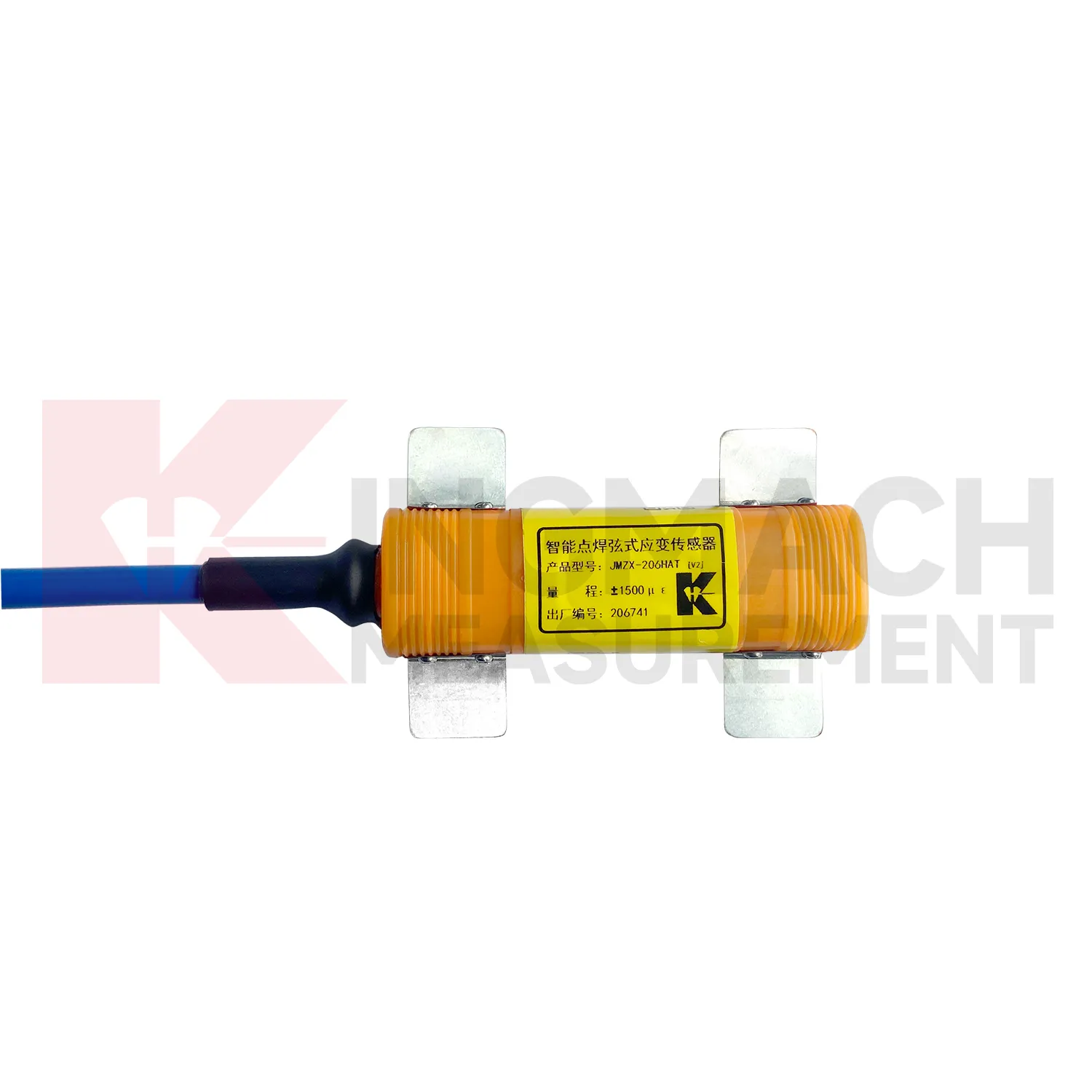
Smart vibrating wire strain gauge (surface welded model) JMZX-206HAT
View DetailsFAQ
In a bonded gauge, the sensing element is glued directly to the test object, so it stretches in unison with the surface. Unbonded types use a wire strung between movable posts and are typically found in sensors like load cells. Bonded gauges are easier to apply on-site and handle irregular surfaces better, which makes them the go-to for structural monitoring.
The adhesive must match both the test material and the environment. Cyanoacrylate works for quick lab tests on metals, but outdoors you may need epoxy for moisture resistance or ceramic cement for high temperatures. Kingmach can advise on the right adhesive for each foil type and backing, and often pre-bonds the gauge to a shim to simplify field gluing.
Yes. The factory routinely tailors gauge pattern, lead wire length, and sealing to customer specs. If your surface is curved, coated, or submerged, the team modifies the backing and protective layers accordingly. This avoids the compromises that come with trying to make a standard gauge work in a non-standard spot.
Strain gauges are sensitive to temperature changes through thermal expansion of the test material and drift in the gauge itself. Self-compensating foil alloys minimize this effect when matched to the material’s expansion coefficient. Kingmach selects these alloys and can provide calibration data for a given temperature range so your data logger can subtract the remaining offset.
Yes. Installation guidance and remote trouble-shooting are part of the standard package. For larger projects, on-site training can be arranged through the global distribution network. The goal is to get your bonded strain gauges installed correctly the first time and keep them reading accurately for years.
Share your product type, target capacity, and application requirements. Our team can review the details and recommend a practical next step.
If you are interested in our products or want to become our partner.
Please leave your contact information, our team will contact you as soon as possible.
Mail: [email protected]
Contact Us: +8613808434127
Address: No. 188 Tongzipo West Rd, Changsha, Hunan, China