
 EN
 ar
 bg
 hr
 cs
 da
 nl
 fi
 fr
 de
 el
 hi
 it
 ko
 no
 pl
 pt
 ro
 ru
 es
 sv
 tl
 iw
 id
 lv
 lt
 sr
 sk
 sl
 uk
 vi
 et
 hu
 th
 tr
 fa
 ms
 hy
 ka
 ur
 bn
 mn
 ta
 kk
 uz
 ku

portable tiltmeter
The JMQJ-7315RTU integrated tiltmeter expands Kingmach portable tiltmeter into wireless remote monitoring. It combines a fixed MEMS tilt sensor with 4G communication and intelligent chip technology, allowing long-term automatic testing of bridges, buildings, railways, and hidden structural parts. The product page lists +/-30 degrees dual-axis and +/-15 degrees dual-axis measurement ranges, 0.001 resolution, +/-0.05%FS accuracy, 3.6V 38AH battery power, wireless 4G digital output, -10 degrees Celsius to +55 degrees Celsius operating temperature, +/-0.1%FS per degree Celsius temperature drift, +/-0.1%FS per year long-term stability, and IP65 protection. This model is suitable where wiring is difficult, cabinet distance is long, or the owner wants unattended acquisition. The specification should still define mounting position, axis direction, transmission interval, battery inspection, and data platform naming.
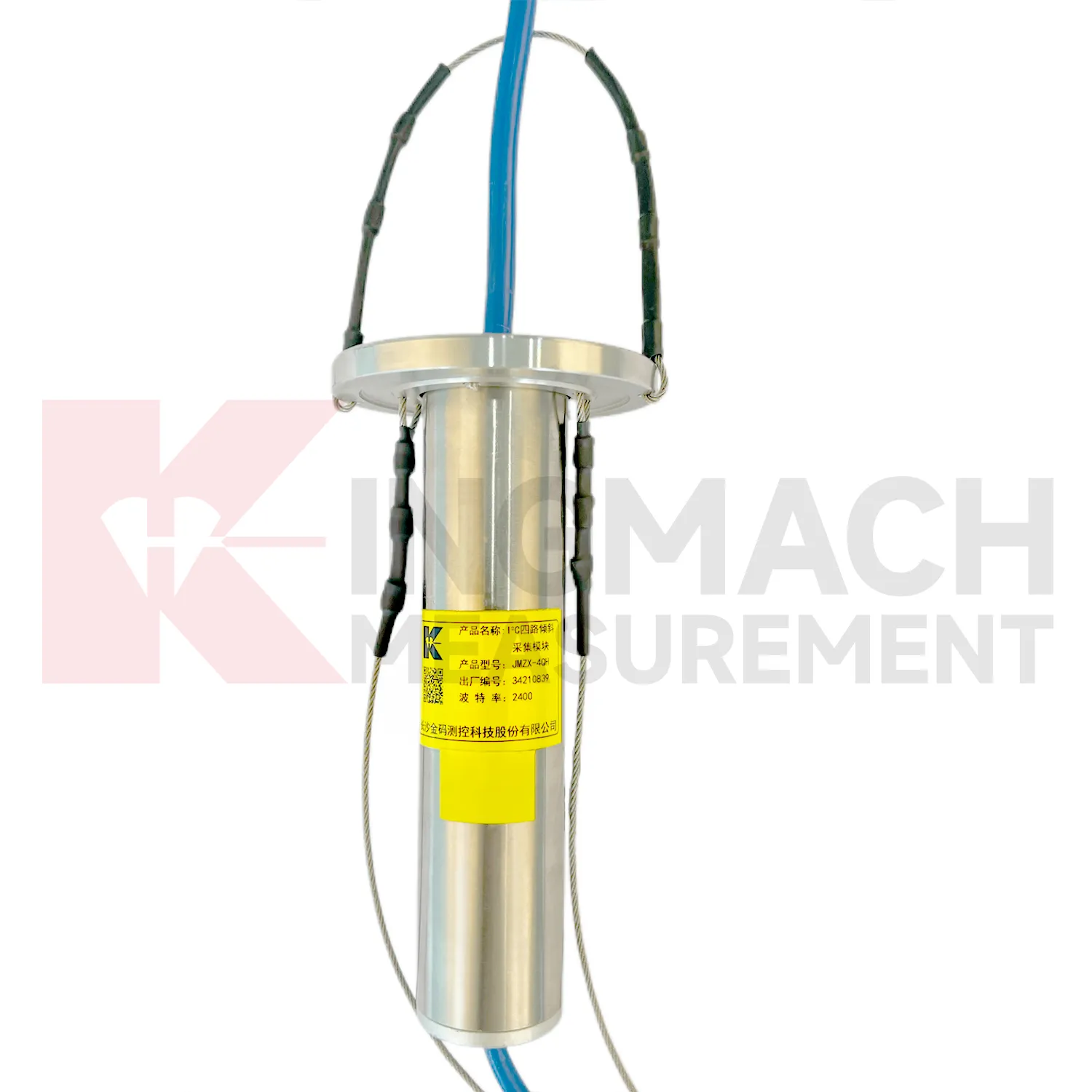
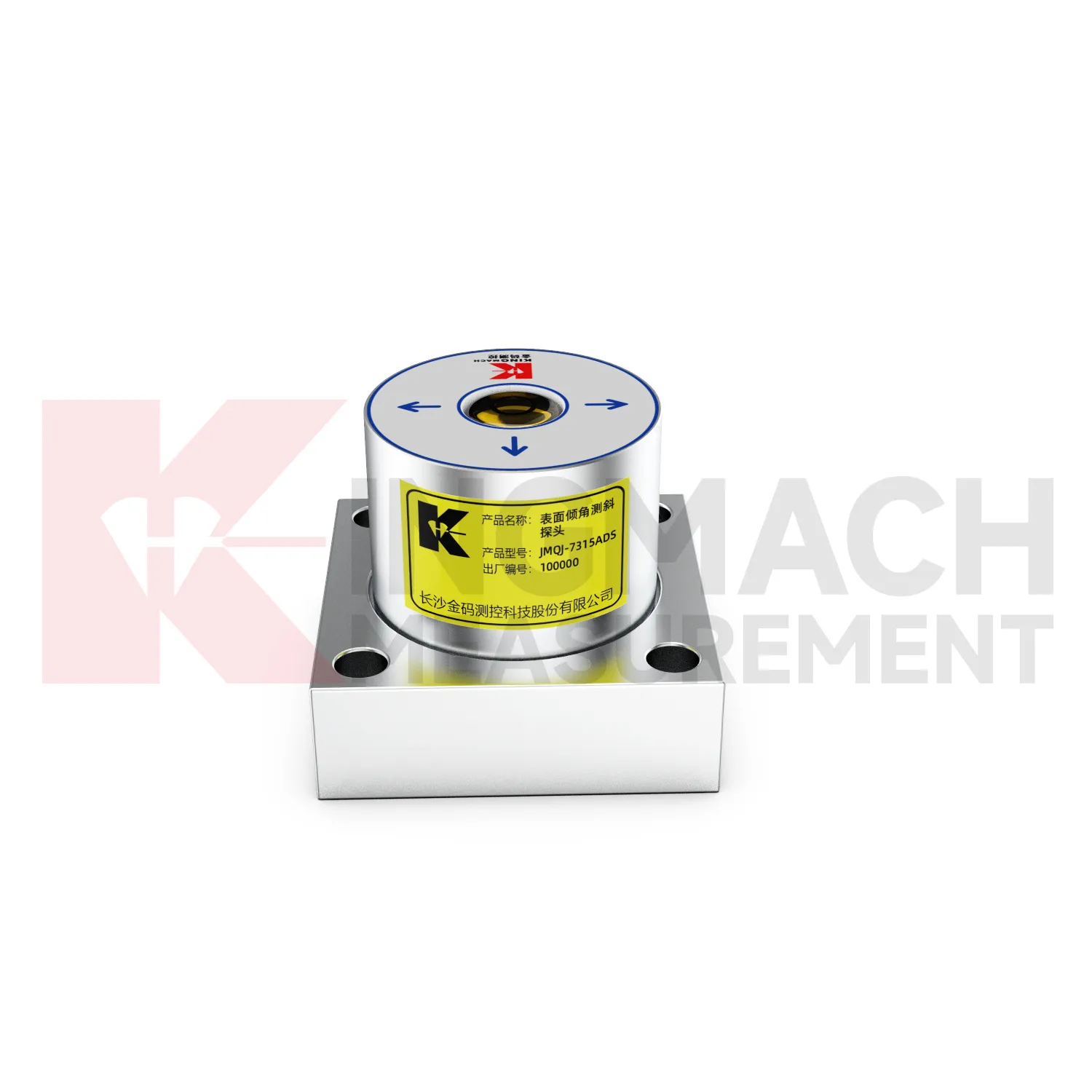
Application of portable tiltmeter
Integrated monitoring platforms use portable tiltmeter as the angular deformation layer in a broader site record. A project may combine fixed tilt sensors, in-place inclinometer strings, displacement meters, settlement gauges, load cells, strain gauges, environmental sensors, data loggers, cables, and visualization software. Kingmach offers both tilt instruments and related acquisition products, so the monitoring plan can connect measuring points to platform channels from the beginning. The main task is to define which tilt point answers which site risk: wall rotation, pier movement, deep slope deformation, building lean, or tunnel lining response. Alarm levels should be based on that risk and reviewed with nearby instruments. When the platform displays tilt beside related data, engineers can judge linked behavior more quickly.
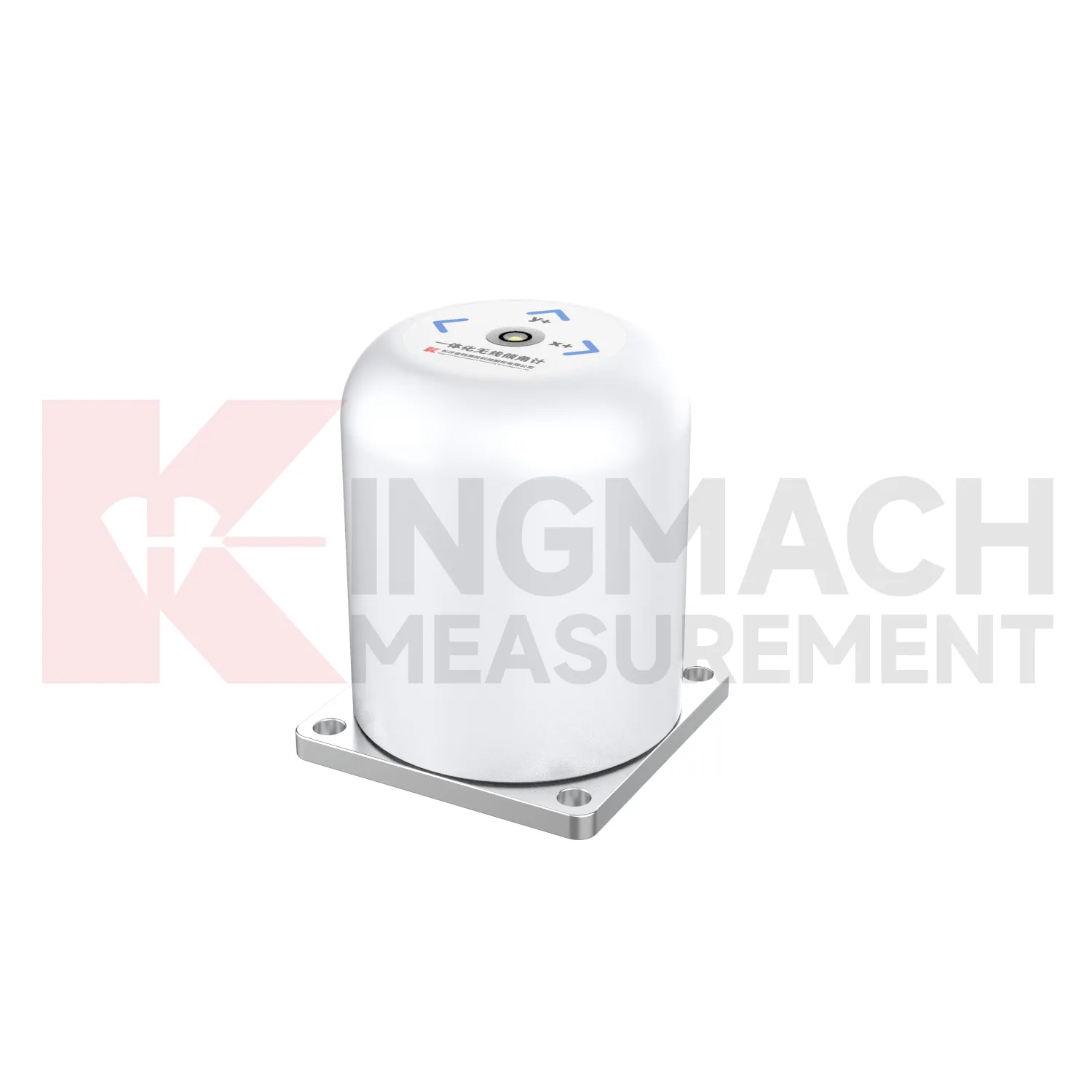
The future of portable tiltmeter
Wireless monitoring will play a larger role in future portable tiltmeter projects. JMQJ-7315RTU already combines MEMS tilt sensing with 4G digital output and battery power, which helps when cable routes are long, exposed, or disruptive. Future projects will likely use wireless tilt points on bridges, buildings, slopes, towers, and temporary construction structures where fast deployment matters. Wireless work still needs disciplined planning: antenna location, sampling interval, battery status, data upload timing, and fallback field checks must be defined. The best wireless tilt record will not simply send more data; it will send the right data with enough context for engineers to understand what changed, when it changed, and whether the site needs inspection.
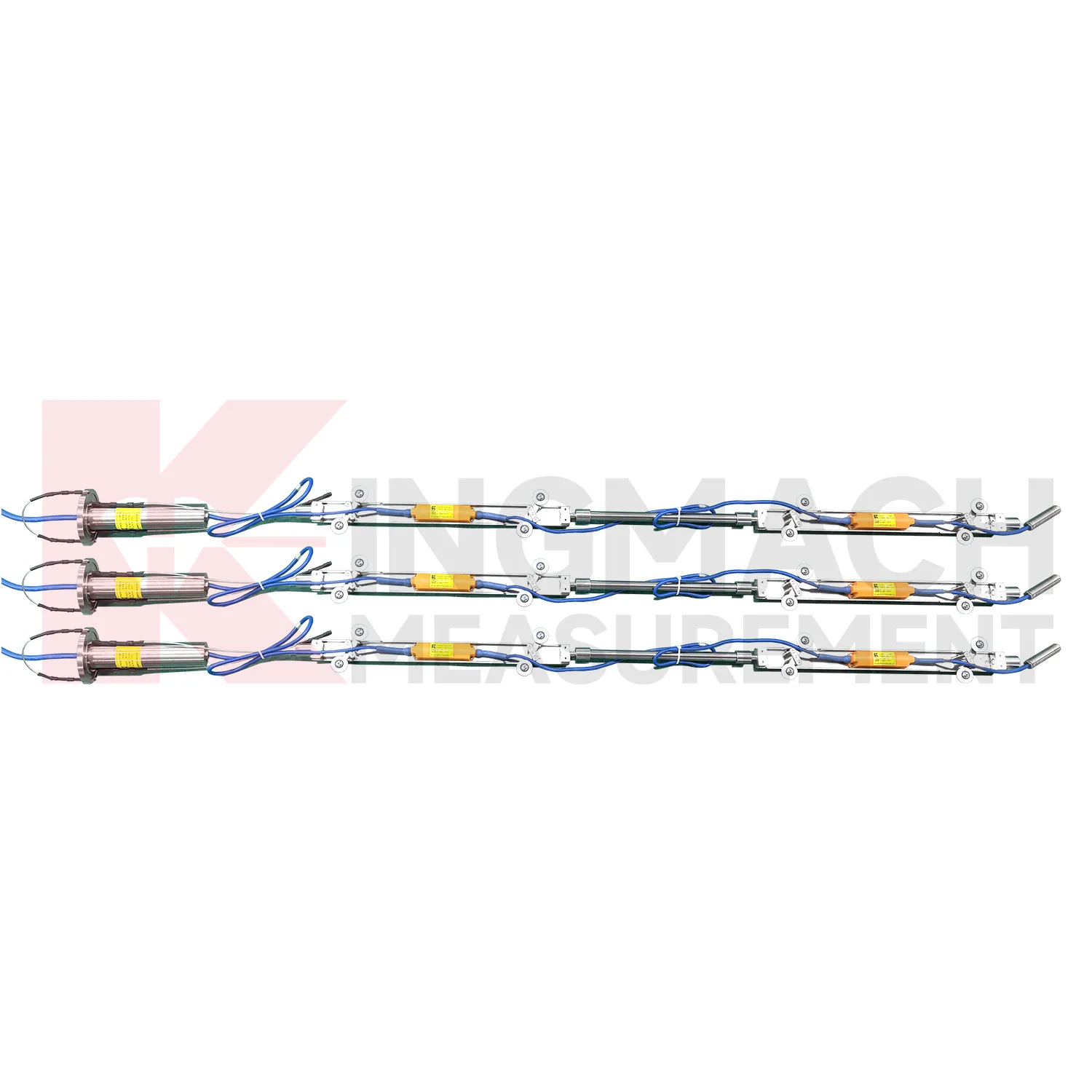
Care & Maintenance of portable tiltmeter
Temperature and environment checks help maintain portable tiltmeter accuracy. JMQJ-7315ADS operates from -30 degrees Celsius to +80 degrees Celsius, JMQJ-7315RTU from -10 degrees Celsius to +55 degrees Celsius, and JMQJ-7915ATS from -30 degrees Celsius to +70 degrees Celsius. Temperature drift, condensation, direct sunlight, ice, and cabinet heat can affect readings or communication hardware. Maintenance records should note weather, enclosure condition, ventilation, shading, and nearby heat sources. If a tilt curve moves with daily temperature, compare it with structural temperature and other sensors before treating it as deformation. Environmental review does not weaken the warning; it makes the warning more credible by filtering out explainable operating effects.
Kingmach portable tiltmeter
Kingmach portable tiltmeter are also part of a larger structural health monitoring ecosystem. Tilt data becomes stronger when it is reviewed with displacement transducers, settlement sensors, strain gauges, load cells, accelerometers, water level sensors, environmental instruments, readouts, cables, and visualization software. For example, a slope warning may combine deep inclinometer movement, rainfall, pore pressure, and surface crack readings. A bridge review may combine tilt, deflection, strain, temperature, and traffic loading. A building review may combine column tilt, foundation settlement, cracks, and nearby excavation records. Kingmach product categories cover many of these instrument layers, so the tilt point can be specified as part of a complete monitoring plan. That reduces gaps between measurement, acquisition, reporting, and site response.
FAQ
Q: How often should portable tiltmeter be inspected?
A: Inspection frequency depends on risk, access, construction stage, and deformation speed; active excavation or storm periods often need closer review.Q: What maintenance is needed for wireless tilt units?
A: Check battery status, antenna condition, upload timing, enclosure seals, point label, and platform channel naming.Q: What causes false tilt changes?
A: Loose mounting, disturbed cables, water entry, temperature effects, power faults, channel mistakes, or inconsistent manual reading can affect the record.Q: How should replacement be handled?
A: Record old and new model, serial number, range, baseline, reason, date, axis direction, channel name, and first stable value after replacement.Q: What makes tilt data useful over many years?
A: Consistent point naming, stable baselines, clear installation photos, protected hardware, visible maintenance records, and comparison with related site data.
Reviews
Daniel Brown
Excellent environmental monitoring sensors. The data is consistent, and the system integrates smoothly with our existing setup.
David Wilson
We purchased displacement transducers and settlement sensors, and the quality exceeded our expectations. Easy installation and reliable performance.
Latest Inquiries
To protect the privacy of our buyers, only public service email domains like Gmail, Yahoo, and MSN will be displayed. Additionally, only a limited portion of the inquiry content will be shown.
Harper***@gmail.comIndia
Dear Sir, we are planning to procure a complete monitoring system including strain gauges, tiltmeter...
Charlotte***@gmail.comUnited Arab Emirates
Hi, we require instrumentation cables suitable for harsh environments. Could you advise on specifica...