
 EN
EN
 ar
ar bg
bg hr
hr cs
cs da
da nl
nl fi
fi fr
fr de
de el
el hi
hi it
it ko
ko no
no pl
pl pt
pt ro
ro ru
ru es
es sv
sv tl
tl iw
iw id
id lv
lv lt
lt sr
sr sk
sk sl
sl uk
uk vi
vi et
et hu
hu th
th tr
tr fa
fa ms
ms hy
hy ka
ka ur
ur bn
bn mn
mn ta
ta kk
kk uz
uz ku
ku
Multichannel Temperature Acquisition Module
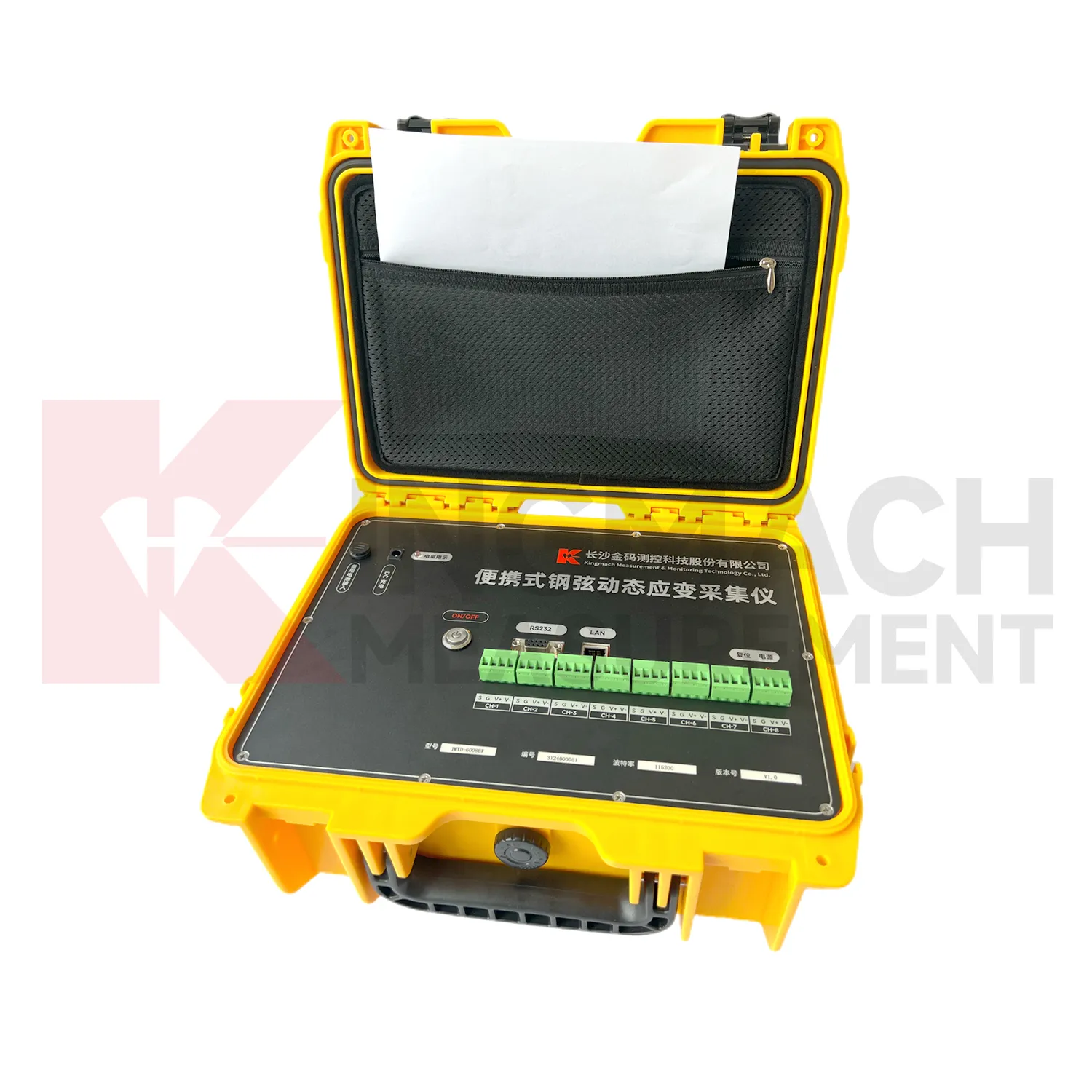
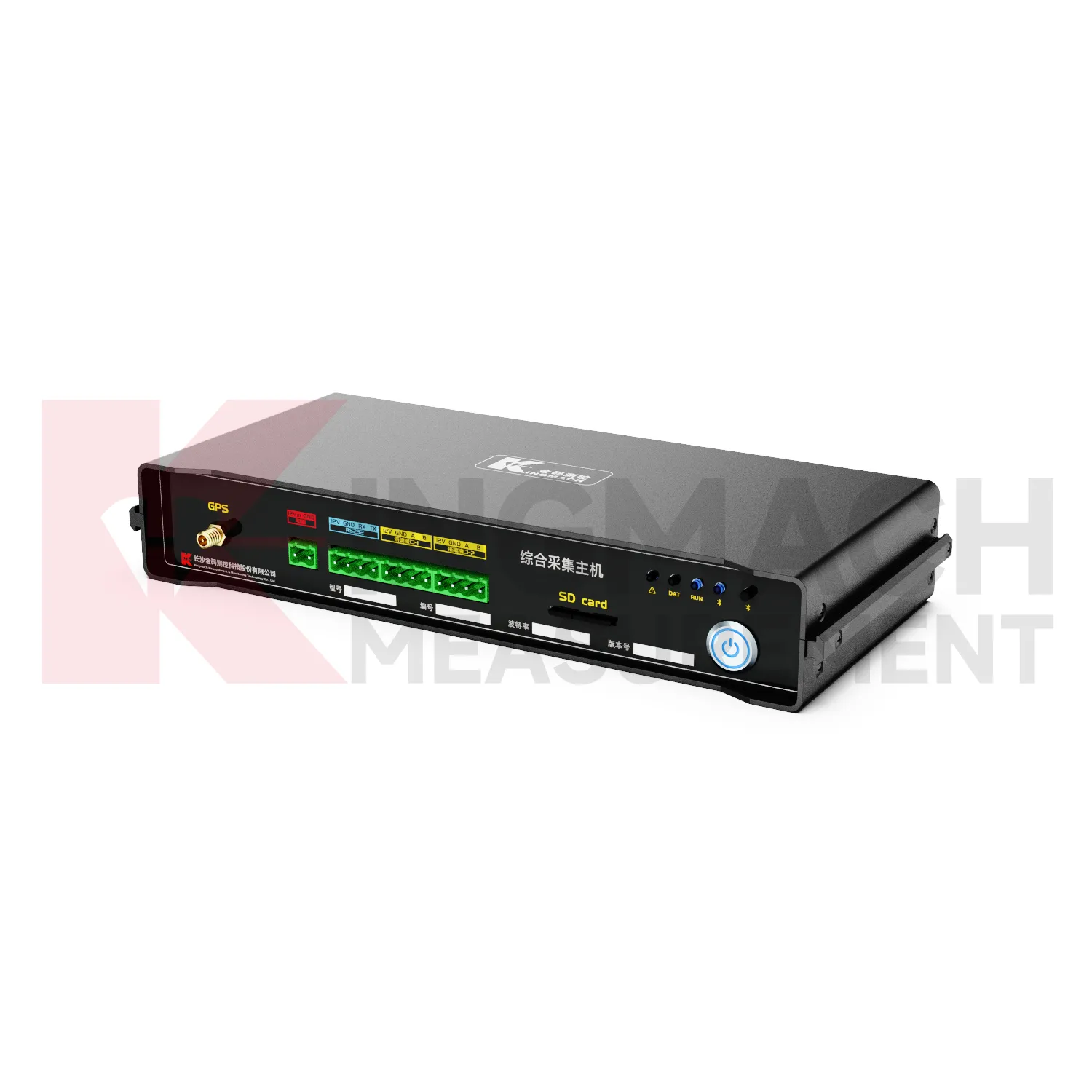
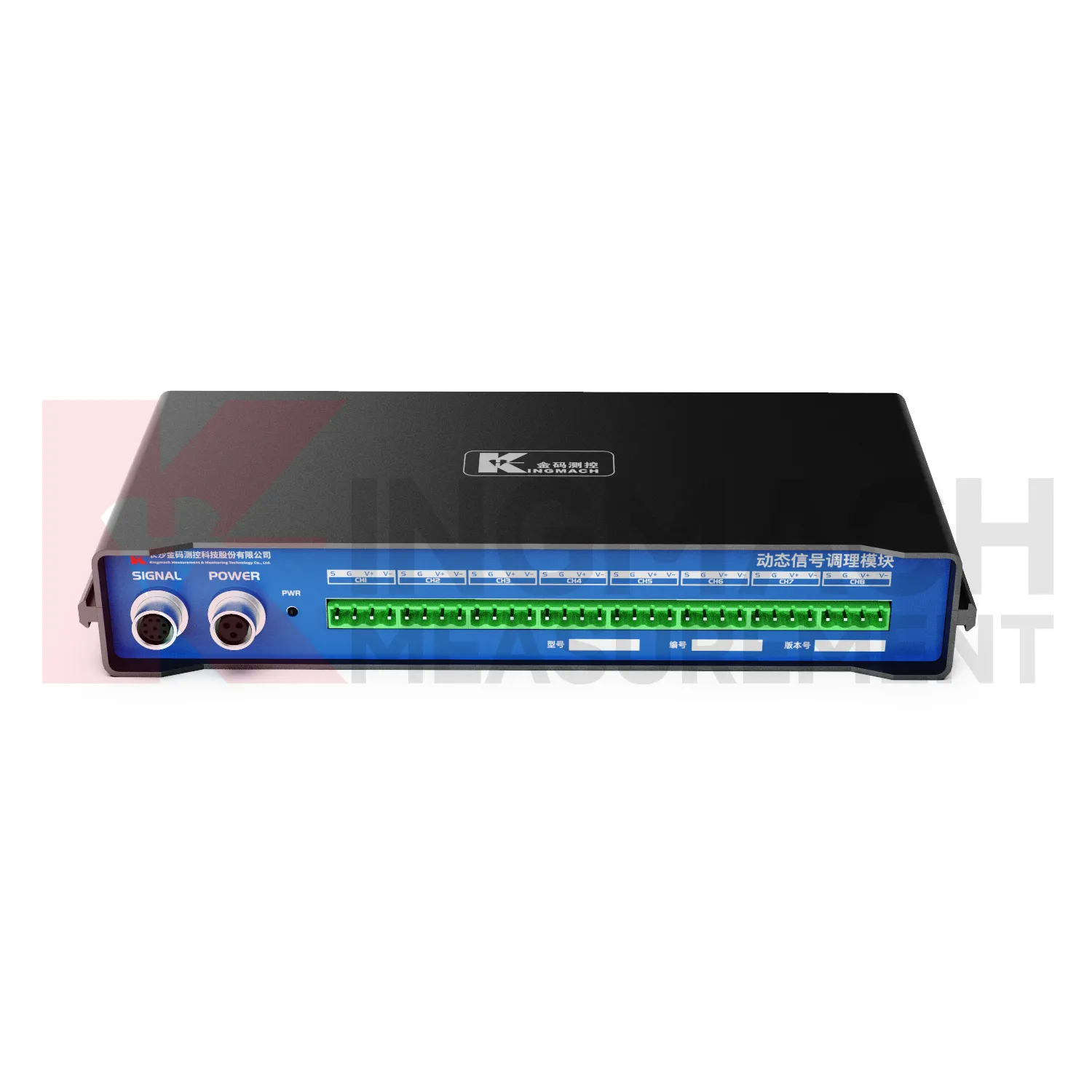
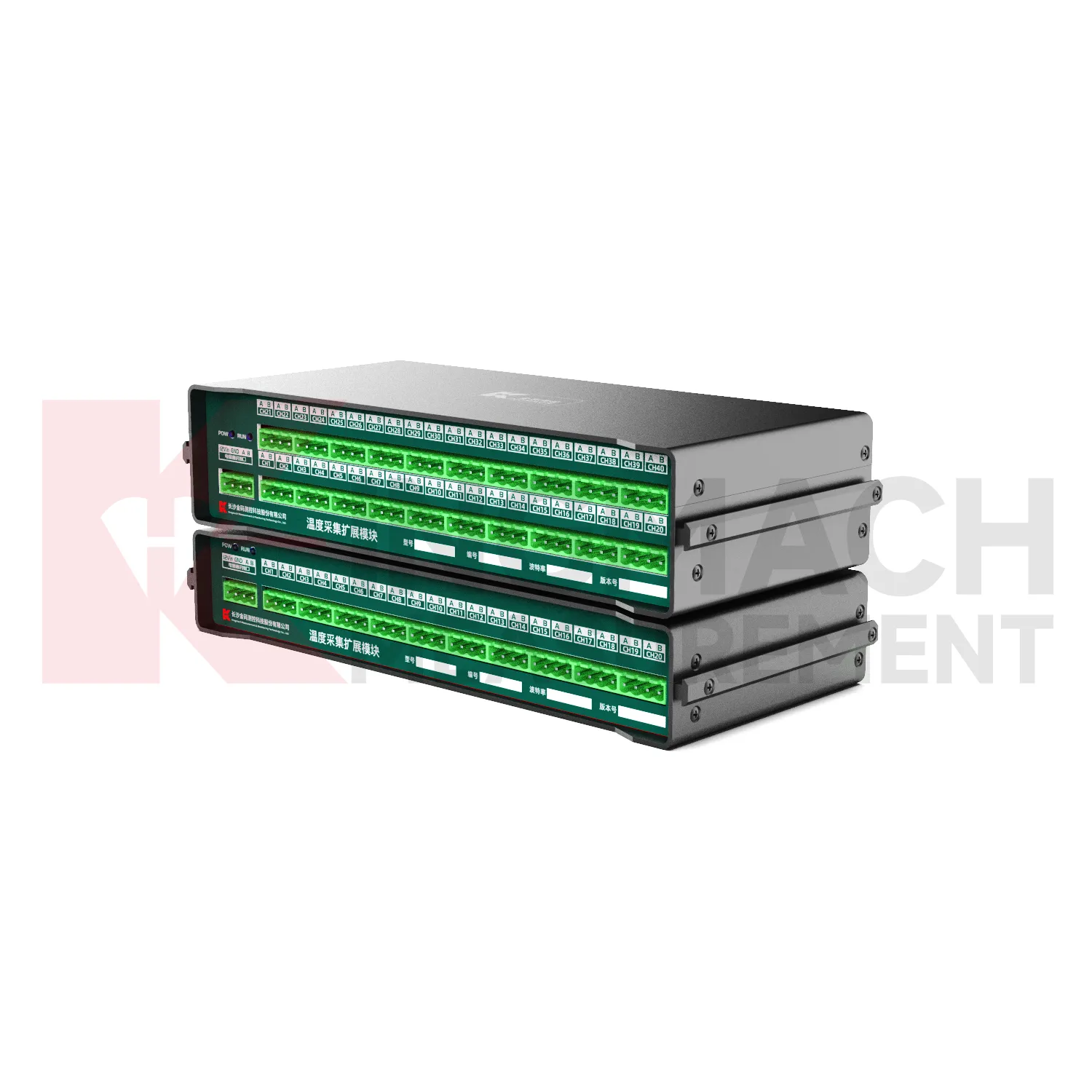
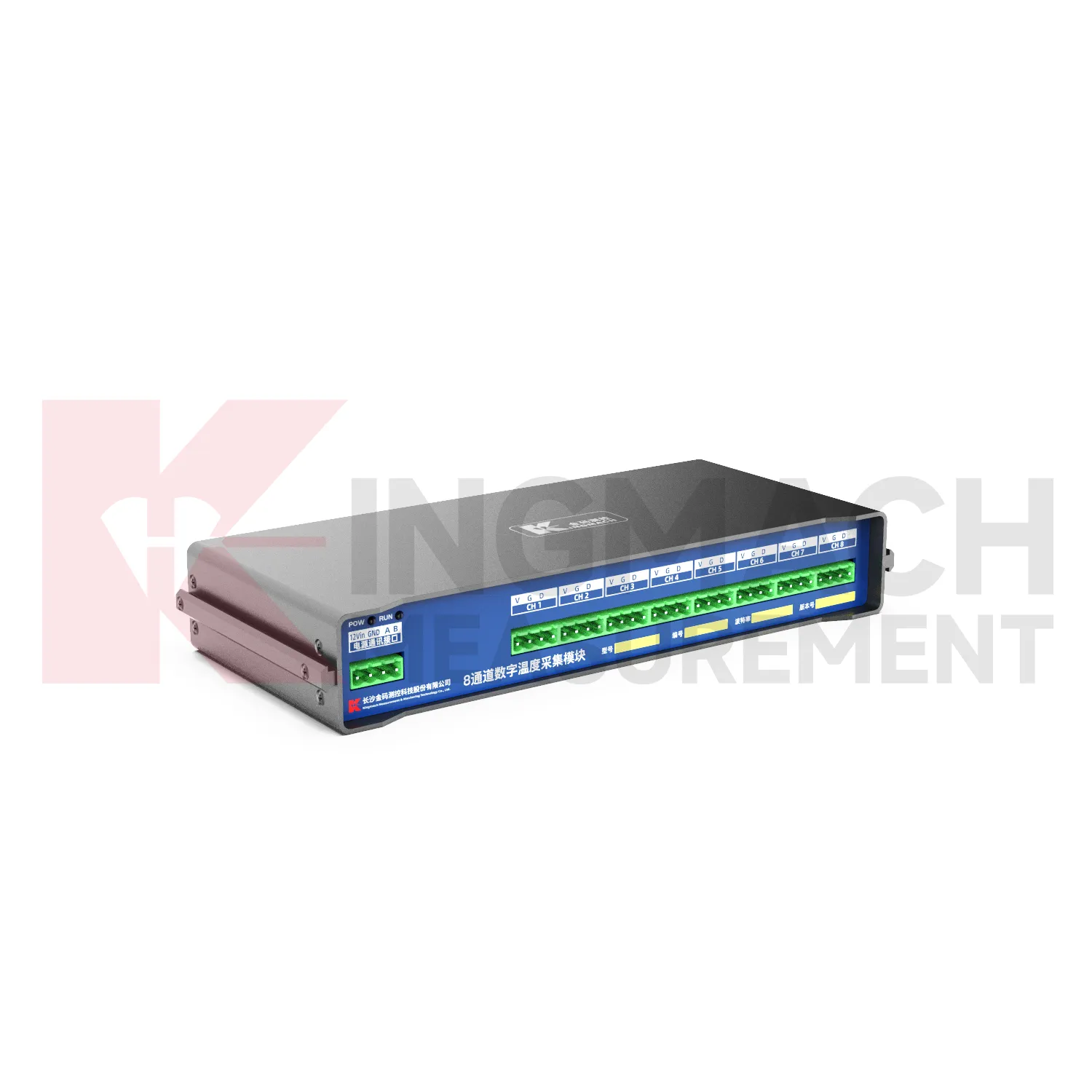
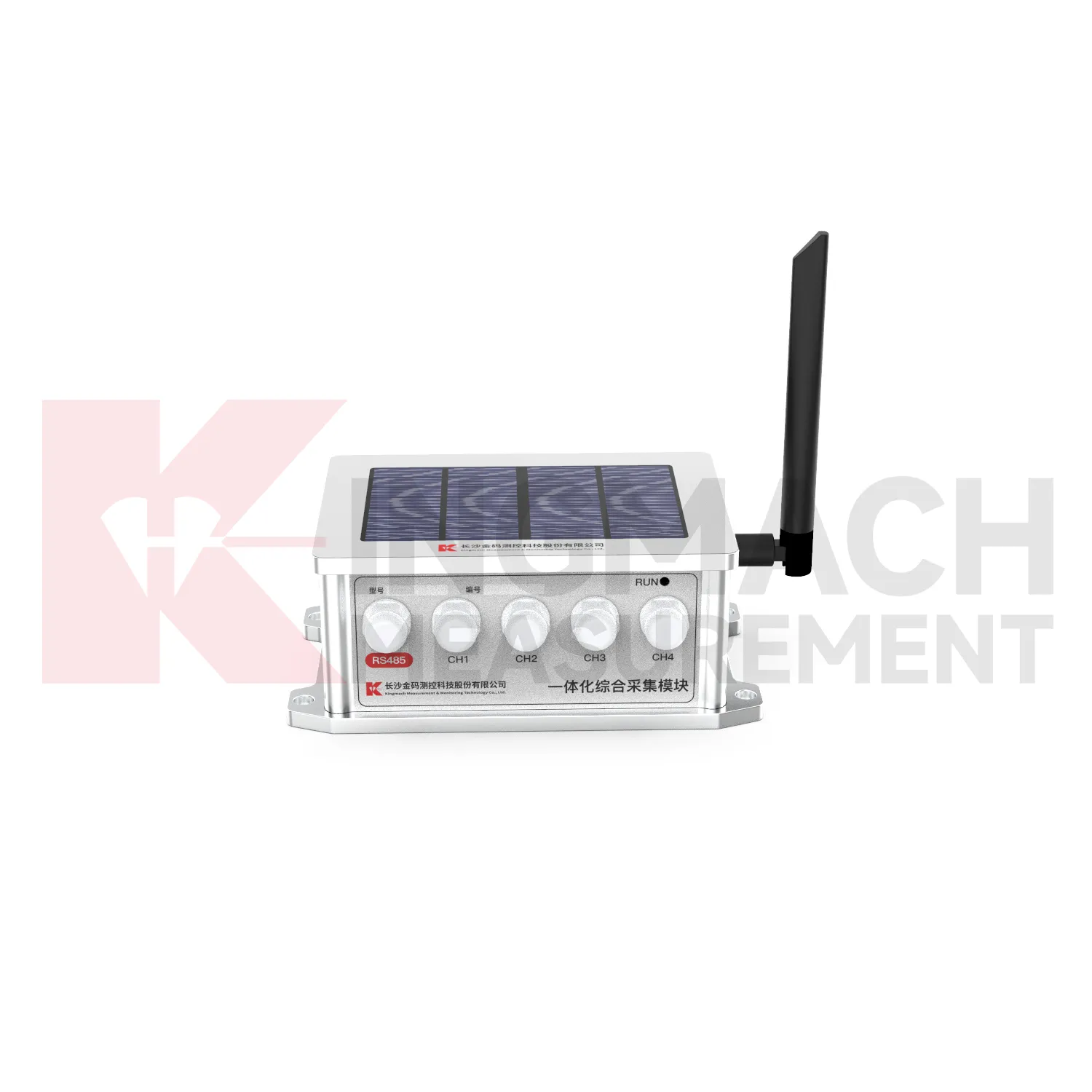
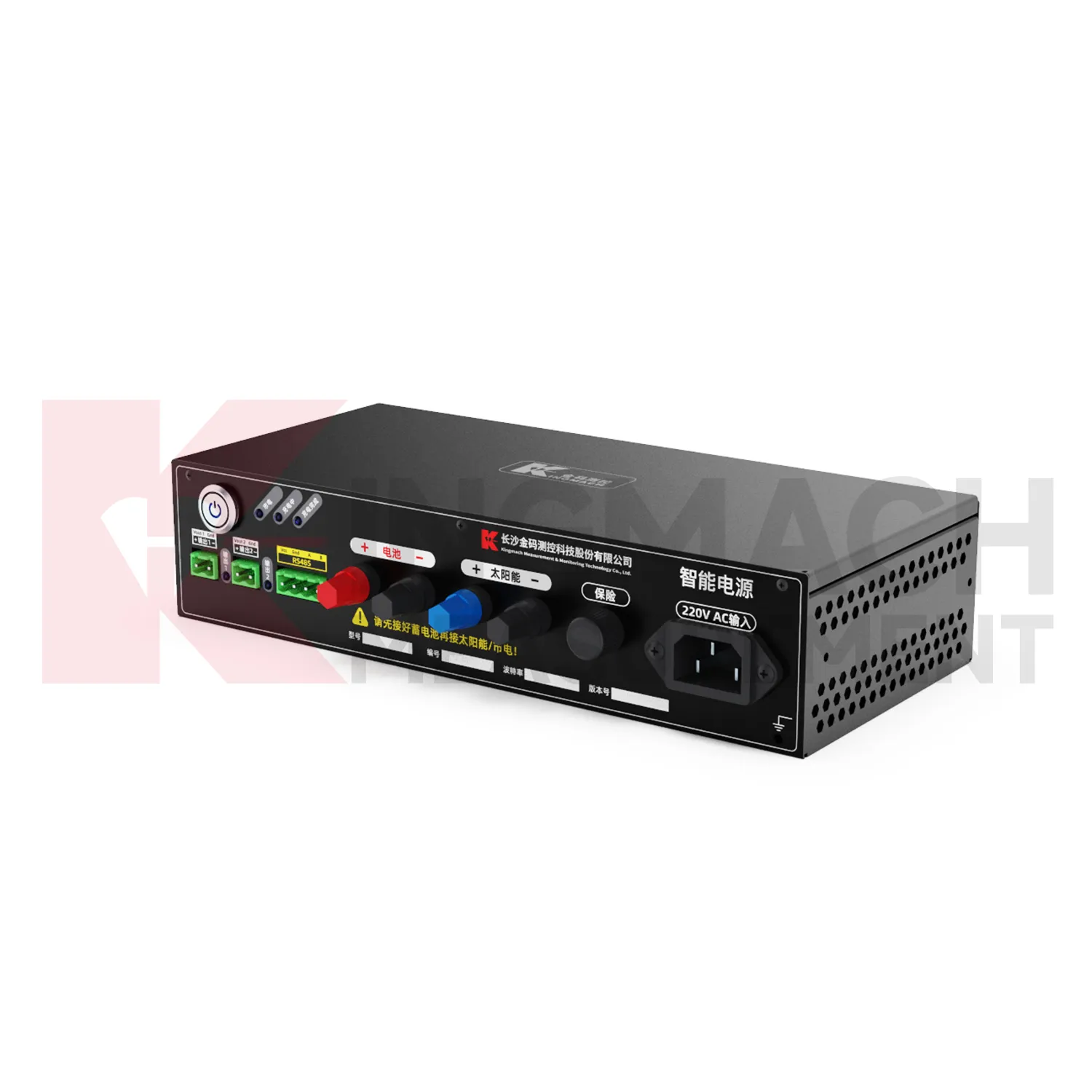
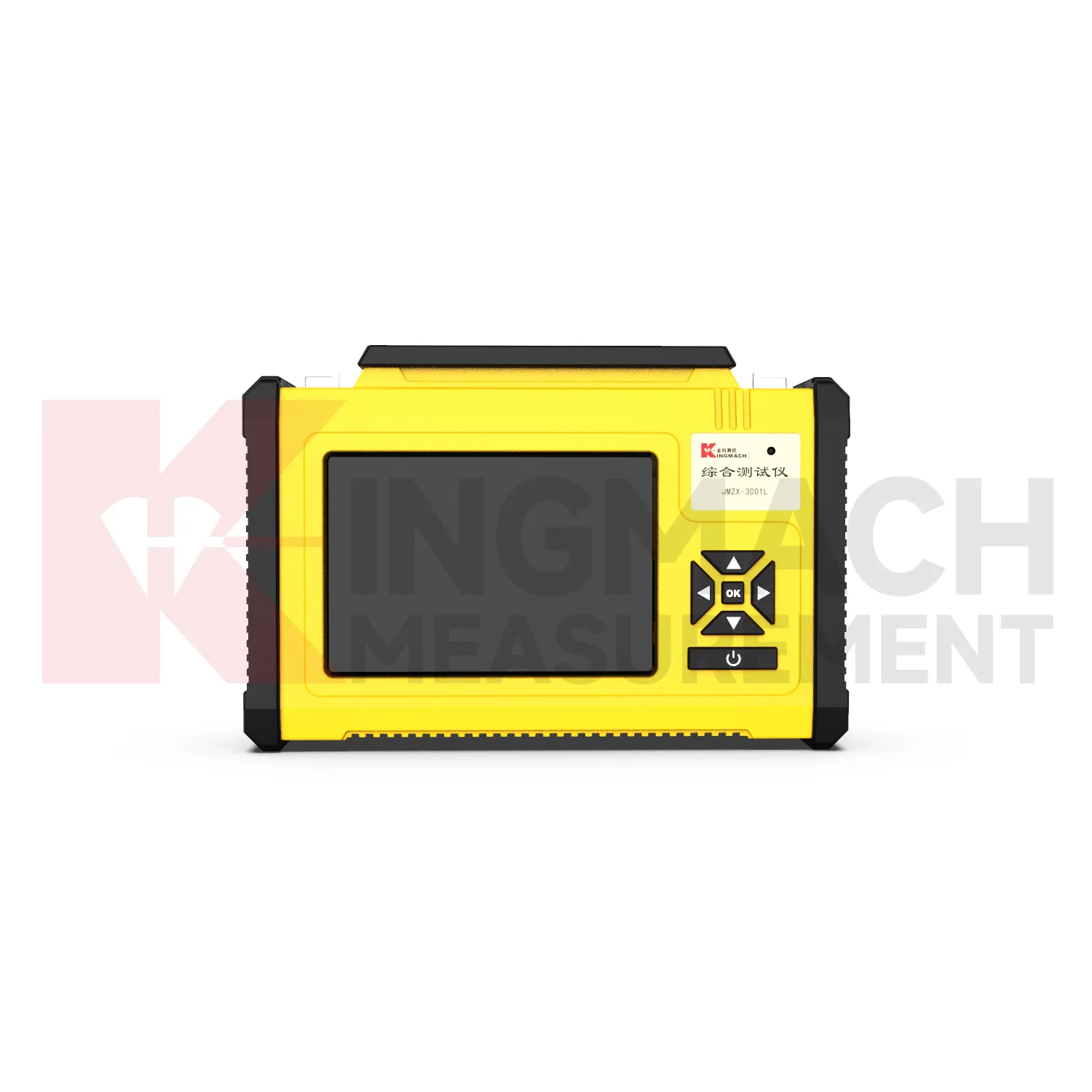
Kingmach Multichannel Temperature Acquisition Module help owners avoid fragmented monitoring records. Without a clear acquisition device, one team may keep handheld readings, another may keep platform data, and a third may keep inspection notes. A better workflow connects the readout or logger with sensor location, acquisition interval, export method, and review responsibility. For vibrating wire sensors, a readout can support quick field confirmation and stored values. For RS485 digital sensors, a wireless logger can support timed acquisition and active upload. For dynamic signals, portable acquisition equipment can capture events that need faster sampling and synchronized channels. The result is a monitoring record that can be reviewed after the field crew leaves. Fragmentation is especially risky when a project has many structures, temporary work stages, or multiple contractors. The acquisition plan should define one naming logic for points and one method for exporting files. When inspection notes, logger records, and manual checks use the same location language, the owner can compare them without guesswork. This reduces reporting delays and makes abnormal readings easier to trace. It also helps when consultants, contractors, and owners need to review the same monitoring period with different responsibilities but a shared data source. during formal reporting. and audits. consistently.
Application of Multichannel Temperature Acquisition Module
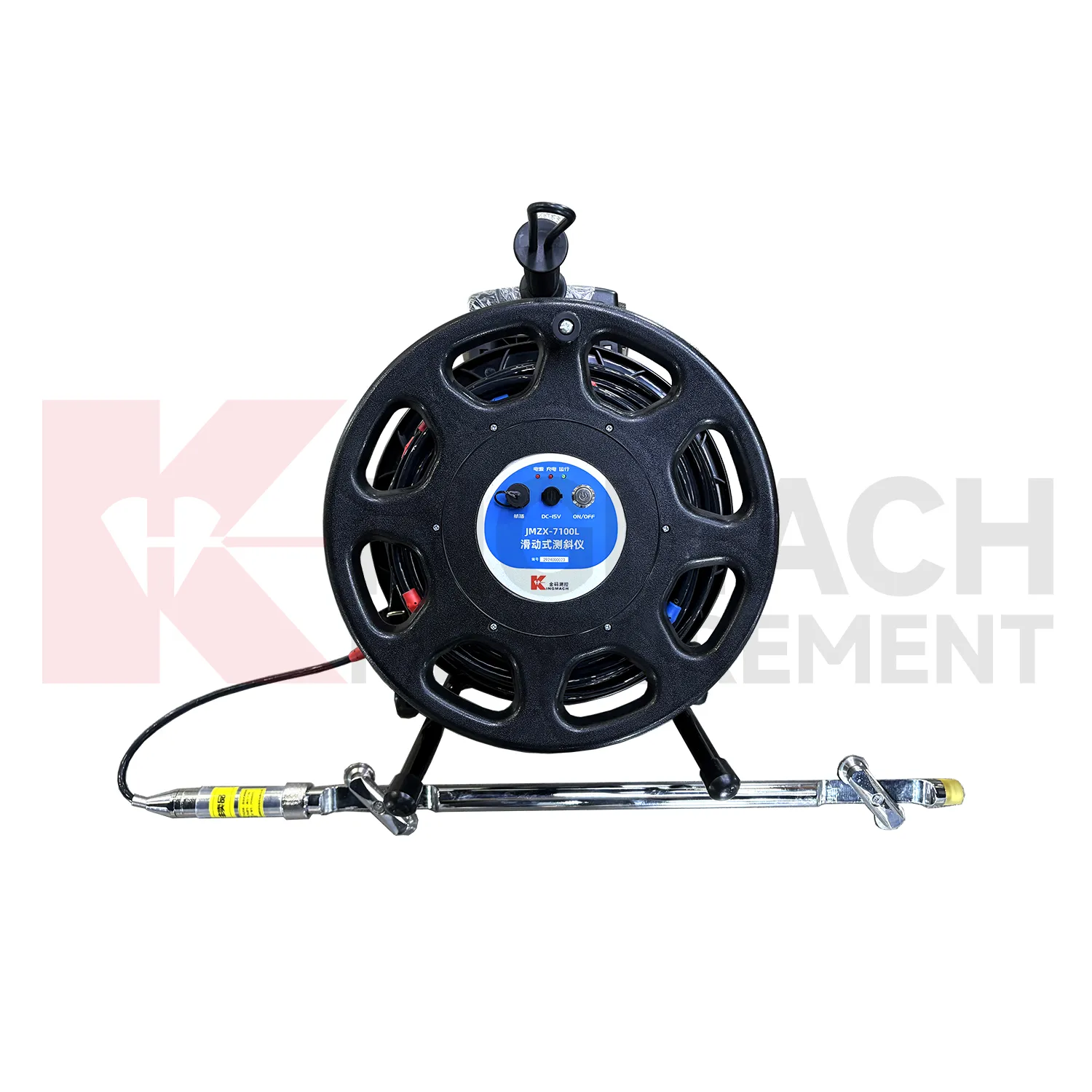
Bridge monitoring uses Kingmach Multichannel Temperature Acquisition Module to connect strain, displacement, tilt, cable force, vibration, temperature, and environmental records into a usable acquisition workflow. During construction, portable readouts can help field crews verify sensor installation before concrete placement, load testing, or traffic opening. During operation, data loggers can collect scheduled readings or dynamic events for comparison with traffic, wind, temperature, and maintenance activity. The acquisition device should preserve point names and time stamps so bridge engineers can compare records across spans, piers, cables, bearings, and decks. A good setup also supports handover because the owner can see which channels are active, which points are temporary, and which data belongs to long-term structural review. Bridge teams also need clean separation between routine trend records and short event files. A slow temperature-related strain drift, a traffic event, and a cable force check should not be mixed into one unexplained data pool. Channel maps, event labels, and export folders help the engineer trace each record back to the bridge component that produced it. This makes later review more dependable when maintenance work, load testing, or seasonal comparison requires evidence from several sensor groups. The same acquisition file can also support bearing replacement, deck repair, cable inspection, and post-event comparison when owners need to understand how the bridge behaved before and after work.
The future of Multichannel Temperature Acquisition Module
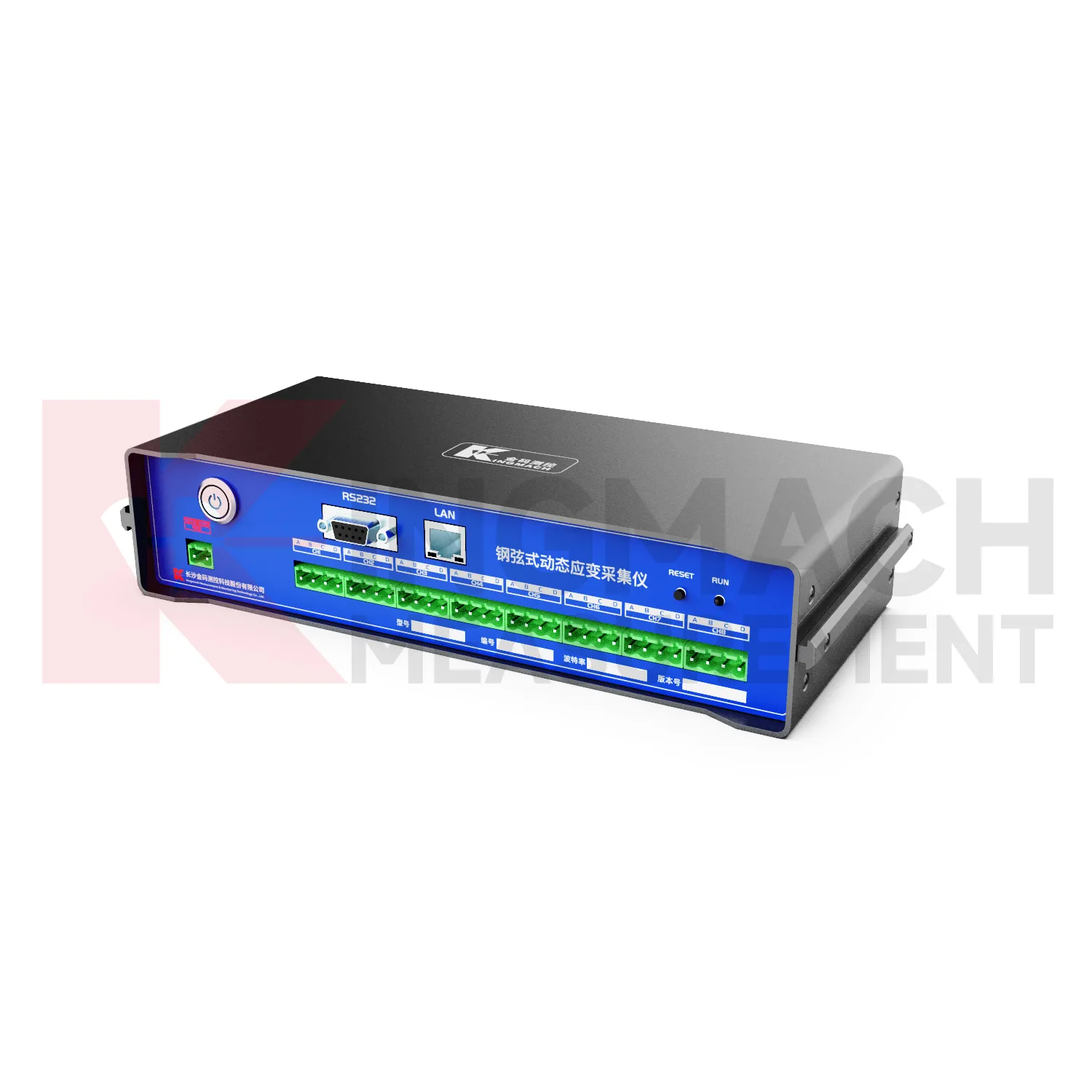
Future Kingmach Multichannel Temperature Acquisition Module will support higher-quality event records for dynamic monitoring. Bridges, buildings, railway lines, tunnels, machinery foundations, and construction sites may need synchronized channels and clear event timing. Dynamic acquisition will become more useful when the waveform is stored with event name, channel identity, trigger condition, and related site activity. This allows reviewers to compare traffic, blasting, wind, machinery start-up, or impact events with the measured response. The next step is not simply faster acquisition; it is better event context. Future event records can also separate raw waveform storage from reviewed event summaries. Engineers may keep the full file for analysis while owners need a concise record of trigger time, sensor group, event source, and response level. That structure will make repeated events easier to compare without losing the original measurement. This is especially useful for railway passage, blasting review, machinery diagnosis, and bridge vibration testing. later. during review.
Care & Maintenance of Multichannel Temperature Acquisition Module
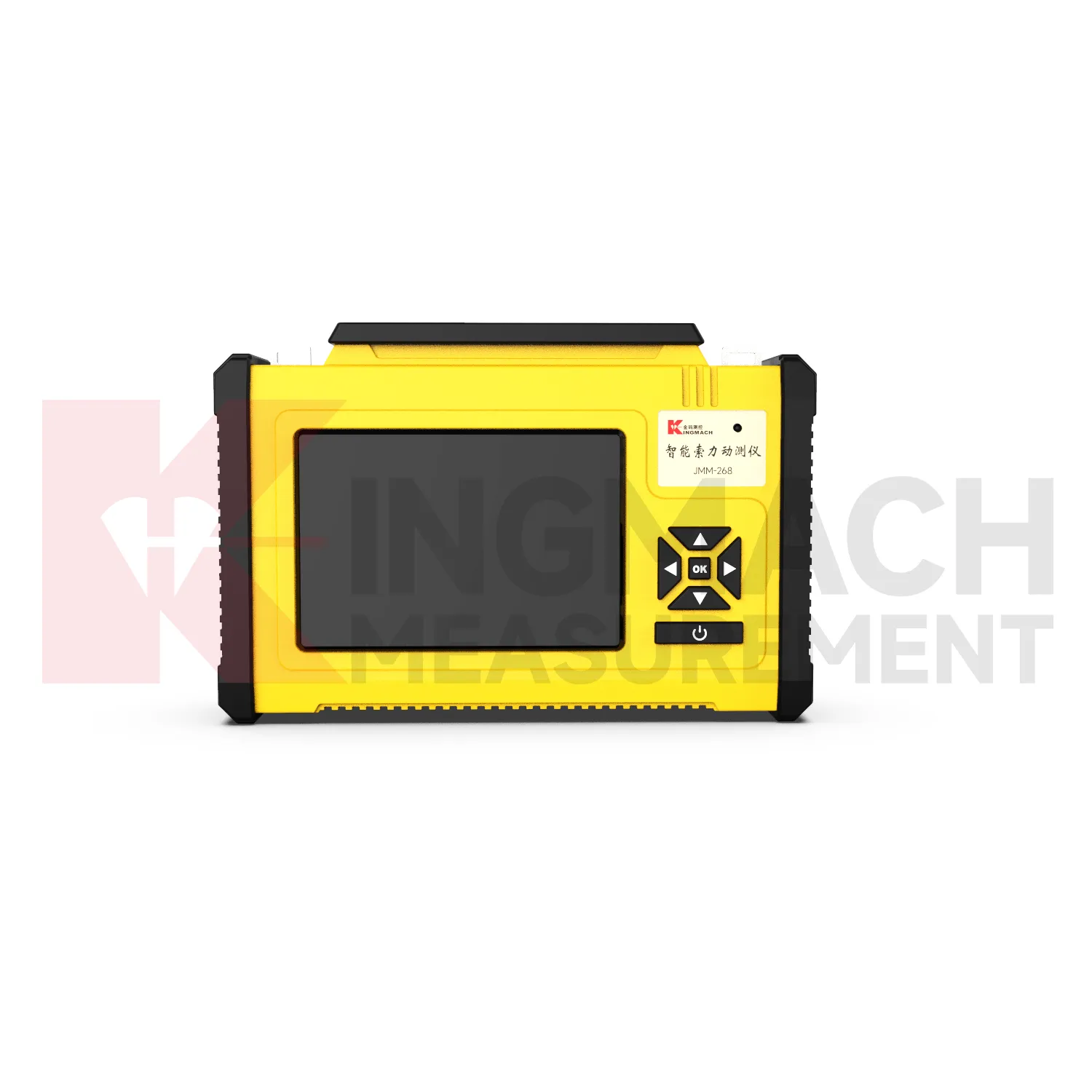
Dynamic acquisition maintenance for Kingmach Multichannel Temperature Acquisition Module should focus on timing, synchronization, and signal condition. Check channel connections, grounding, sampling settings, event names, trigger rules, and storage capacity before a test. Dynamic records are difficult to repeat when the event is train passage, blasting, impact, or machinery start-up. After the test, save raw data, event notes, sensor positions, and any abnormal site activity. This maintenance discipline helps engineers interpret the waveform and compare repeated events without uncertainty about the acquisition setup. Before the next test, review whether the previous event was captured cleanly. If a channel clipped, drifted, lost connection, or showed unexpected noise, correct the setup before relying on another event. Dynamic maintenance is therefore part of test quality, not only equipment care. The maintenance file should include sampling settings, trigger notes, cable condition, sensor mounting status, and storage location for raw files. These details help engineers repeat the test method later and compare event records under similar conditions.
Kingmach Multichannel Temperature Acquisition Module
Kingmach Multichannel Temperature Acquisition Module make sensor readings easier to verify before the data becomes part of a formal project record. A technician can use a readout to check whether a sensor responds, whether the channel name matches the physical point, and whether the value looks reasonable beside site conditions. A data logger can then continue the acquisition after the crew leaves. This handoff from manual checking to automatic collection is important for settlement sensors, strain gauges, load cells, tilt sensors, displacement points, and environmental instruments. The monitoring team gains a clearer record when every reading is tied to location, time, sensor type, and inspection notes. For dynamic tests, timing accuracy, event naming, channel synchronization, and signal conditioning help the team compare motion or strain events with construction activity, traffic, wind, or machinery operation. During handover, photos, channel maps, sensor lists, communication settings, and normal baseline examples help the next team continue review without rebuilding the monitoring history from scattered files.
FAQ
Q: What are Readouts & Data Loggers used for?
A: They collect, display, store, and transfer sensor readings so engineering teams can review monitoring data from structural, geotechnical, and industrial projects.
Q: How are readouts different from data loggers?
A: Readouts are often used for field checking and portable measurement, while data loggers support automatic acquisition, scheduled records, and longer monitoring periods.
Q: Which sensors can be connected?
A: The category can support vibrating wire sensors, digital RS485 sensors, temperature points, dynamic signals, strain instruments, displacement sensors, tilt sensors, and other monitoring devices depending on the model.
Q: Why is channel naming important?
A: Clear channel names connect each reading with the correct sensor, location, structure, and review purpose, which prevents confusion during reporting and handover.
Q: What should be checked before purchase?
A: Buyers should define sensor type, channel count, acquisition interval, power supply, communication method, storage needs, site access, and reporting workflow.
Reviews
Robert Taylor
The weir flow meter is well-built and delivers accurate measurements. Great value for water management applications.
Michael Anderson
The strain gauges and load cells are extremely accurate and stable. They performed very well in our bridge monitoring project. Highly recommended!
Latest Inquiries
To protect the privacy of our buyers, only public service email domains like Gmail, Yahoo, and MSN will be displayed. Additionally, only a limited portion of the inquiry content will be shown.
Mia***@gmail.comNetherlands
Dear team, we are interested in your readouts & data loggers compatible with multiple sensors. Do yo...
Sophia***@gmail.comUnited Kingdom
Good day, we need environmental monitoring sensors including temperature, humidity, and wind sensors...
Related product categories
- wireless analog data logger
- wireless temperature sensor data logger
- wireless thermocouple data logger
- pressure data logger wireless
- wireless data logger temperature humidity
- wireless data-logger
- wireless pressure data logger
- wireless voltage data logger
- wireless accelerometer data logger
- wireless data logger sensors
- wireless temperature humidity data logger
- wireless thermometer data logger