
 EN
EN
 ar
ar bg
bg hr
hr cs
cs da
da nl
nl fi
fi fr
fr de
de el
el hi
hi it
it ko
ko no
no pl
pl pt
pt ro
ro ru
ru es
es sv
sv tl
tl iw
iw id
id lv
lv lt
lt sr
sr sk
sk sl
sl uk
uk vi
vi et
et hu
hu th
th tr
tr fa
fa ms
ms hy
hy ka
ka ur
ur bn
bn mn
mn ta
ta kk
kk uz
uz ku
ku
weir flow meter introductory
For long-term reliability, Kingmach weir flow meter introductory requires maintenance and verification planning. A weir point can remain accurate only if the hydraulic control remains clean and the water head reading remains tied to the correct reference. Routine inspection should check debris, sediment, crest damage, enclosure condition, cable safety, and whether the water surface behaves normally near the measuring section. Verification should be easier if the project file contains photographs, installation notes, and the original site purpose. This kind of description helps buyers understand the full responsibility of flow monitoring. The device provides the measurement path, but the owner keeps the channel condition and data interpretation healthy. A practical review also checks whether the measuring section remained clean and hydraulically stable. Sediment, debris, vegetation, downstream backwater, or a disturbed approach can change the meaning of the same water-head reading, so those conditions belong in the project notes. For long-term operation, the point name, flow direction, channel purpose, cleaning history, and first stable value should remain visible. Those details help a new operator understand why the point exists and how the data should be used after handover. During abnormal events, the team should compare the flow record with rainfall, upstream control, pumping, seepage, inspection findings, and maintenance work. That comparison helps separate normal water response from blockage, measurement disturbance, or a change in the water system.
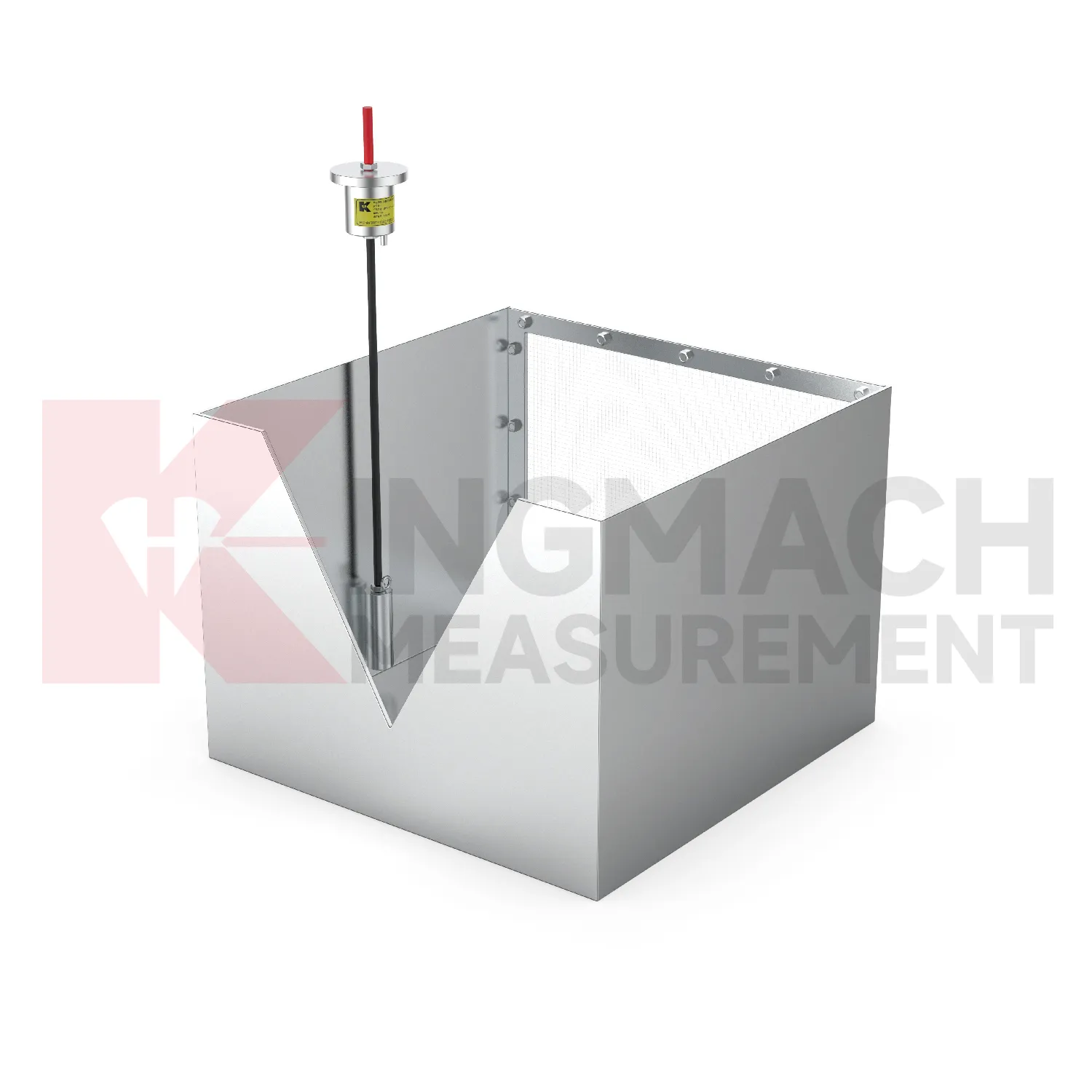
Application of weir flow meter introductory
Drainage systems use Kingmach weir flow meter introductory to understand how water leaves a site during routine conditions and storm events. In urban drainage, construction drainage, tunnel drainage, and industrial outfalls, operators often need to know whether flow is increasing, delayed, reduced, or blocked. A weir-based record can help compare rainfall timing with discharge timing. If rain stops but flow remains high, the system may be draining stored water. If rainfall is heavy but flow is lower than expected, blockage, sediment, pump operation, or downstream backwater may need inspection. The monitoring point should be installed where it represents the drainage channel, not where turbulence or local obstruction dominates. A clear drainage record supports maintenance scheduling and post-storm review. It can also help teams document what happened during a specific rain event without relying on memory. The report should connect the curve with rainfall time, cleaning work, pump changes, outlet condition, and any temporary diversion. That makes it easier to decide whether the drainage network behaved normally, whether capacity is being lost, or whether a local restriction needs field attention before the next storm. The same record can guide cleaning intervals and help justify drainage improvements when repeated restrictions appear. before problems escalate further.
The future of weir flow meter introductory
The future of Kingmach weir flow meter introductory will place more attention on readable reporting. Flow monitoring often serves mixed audiences: hydraulic engineers, maintenance teams, water managers, construction supervisors, and asset owners. A useful report should explain the measured channel, the time period, the event, the flow trend, the site condition, and the action taken. It should not require every reader to interpret raw curves. Clear reporting will make flow data easier to use during storm review, irrigation planning, tunnel maintenance, drainage management, and long-term asset reporting. Future reports should separate observation from judgment. The chart may show a rise or drop, while the note explains rainfall, pumping, cleaning, blockage, or downstream influence. When those layers are visible, different teams can discuss the same event without losing the field context. Readable reporting saves time because it makes the next action easier to agree on. It also makes monthly review easier for non-specialist managers.
Care & Maintenance of weir flow meter introductory
Enclosure and cable care helps Kingmach weir flow meter introductory remain reliable in wet sites. Flow monitoring points may be exposed to splashing, flooding, insects, mud, temperature change, and accidental impact during cleaning or construction. Inspect cable glands, junction boxes, conduit, mounting hardware, grounding, labels, and cabinet seals. A water-related fault can create missing data or unstable readings during storms, flooding, or other high-demand periods. After storms or maintenance work, check the enclosure before trusting unusual data. Field protection should allow safe access for cleaning without putting cables or boxes in the path of tools and debris. Maintenance notes should record whether a cabinet was opened, whether seals were wet, whether cable routes were disturbed, and whether power or communication recovered after inspection. These details are practical because electrical problems often appear at the same time as hydraulic stress. A short note can prevent repeated diagnosis when a later reviewer sees a gap or spike during bad weather.
Kingmach weir flow meter introductory
Kingmach weir flow meter introductory should be specified around the flow question at the site. A small seepage channel, a drainage outlet, a hydraulic test section, and an irrigation branch may all need different installation details even when the measurement principle is similar. The buyer should define what liquid is being measured, how the channel is shaped, whether water can back up, where sediment may collect, and how the flow record will be used. A good monitoring point is not only a meter; it is a weir body, a stable water head reading, a clean approach condition, and a data record that can be trusted during changing site conditions. Starting from the field question keeps the page practical and avoids product-list writing. A practical review also checks whether the measuring section remained clean and hydraulically stable. Sediment, debris, vegetation, downstream backwater, or a disturbed approach can change the meaning of the same water-head reading, so those conditions belong in the project notes.
FAQ
Q: What maintenance is needed?
A: Inspect the crest, approach channel, downstream condition, sensing area, enclosure, cable route, labels, and recent flow trend.
Q: How often should cleaning happen?
A: Cleaning frequency depends on debris, sediment, season, upstream activity, rainfall, and how critical the flow record is for the project.
Q: What should be checked after storms?
A: Check debris, sediment, water marks, downstream backwater, enclosure water entry, cable damage, and whether the first post-storm reading is plausible.
Q: Why record maintenance notes?
A: Maintenance notes explain whether a flow change came from real water behavior, cleaning, repair, blockage, or measuring-section disturbance.
Q: What if the weir point is modified?
A: Record the date, reason, old condition, new condition, and first stable reading so future reviewers can compare the curve correctly. Designers, operators, maintenance staff, and owners may read the same curve, so the record needs clear site conditions, inspection notes, and action history in plain engineering language.
Reviews
Ryan Lewis
Fast delivery and excellent product quality. The accelerometers and tiltmeters are highly reliable. Strongly recommend this company.
Robert Taylor
The weir flow meter is well-built and delivers accurate measurements. Great value for water management applications.
Latest Inquiries
To protect the privacy of our buyers, only public service email domains like Gmail, Yahoo, and MSN will be displayed. Additionally, only a limited portion of the inquiry content will be shown.
Isabella***@gmail.comGermany
Hello, we are evaluating weir flow meters for a water management project. Please share accuracy deta...
Charlotte***@gmail.comUnited Arab Emirates
Hi, we require instrumentation cables suitable for harsh environments. Could you advise on specifica...
Related product categories
- Intelligent Weir Flow Meter
- Smart Weir Flow Meter
- weir flow meter
- weir type flow meter
- weir flow meter Price
- weir flow meter Manufacturer
- weir flow meter Supplier
- weir flow meter Solution
- weir flow meter System Integration
- weir flow meter Localization
- weir flow meter Domestic Manufacturing
- weir flow meter China