
 EN
EN
 ar
ar bg
bg hr
hr cs
cs da
da nl
nl fi
fi fr
fr de
de el
el hi
hi it
it ko
ko no
no pl
pl pt
pt ro
ro ru
ru es
es sv
sv tl
tl iw
iw id
id lv
lv lt
lt sr
sr sk
sk sl
sl uk
uk vi
vi et
et hu
hu th
th tr
tr fa
fa ms
ms hy
hy ka
ka ur
ur bn
bn mn
mn ta
ta kk
kk uz
uz ku
ku
weir flow meter Manufacturer
Kingmach weir flow meter Manufacturer can serve both short-term testing and long-term operation. During commissioning, the project team may need to confirm that the weir section is stable, the water head reading responds sensibly, and the data path records the correct point. During long-term use, the owner may care more about trends, maintenance events, seasonal changes, and abnormal flow patterns. The same measuring point must support both phases. That means the handover file should include drawings, photographs, channel notes, cleaning access, first stable readings, data channel names, and maintenance instructions. If the point is later repaired or cleaned, the maintenance note should remain visible beside the curve. This keeps the record useful after the original installation team has left. Handover quality has a direct effect on future trust. New operators should know why the point was installed, where the water comes from, what conditions make the reading unreliable, and how to recognize a channel problem. Photos before and after cleaning, a simple access route, and a short note about expected seasonal behavior can prevent confusion years after installation. Good documentation turns one monitoring point into a durable operating asset rather than a forgotten instrument record. It also makes later audits faster and more consistent.
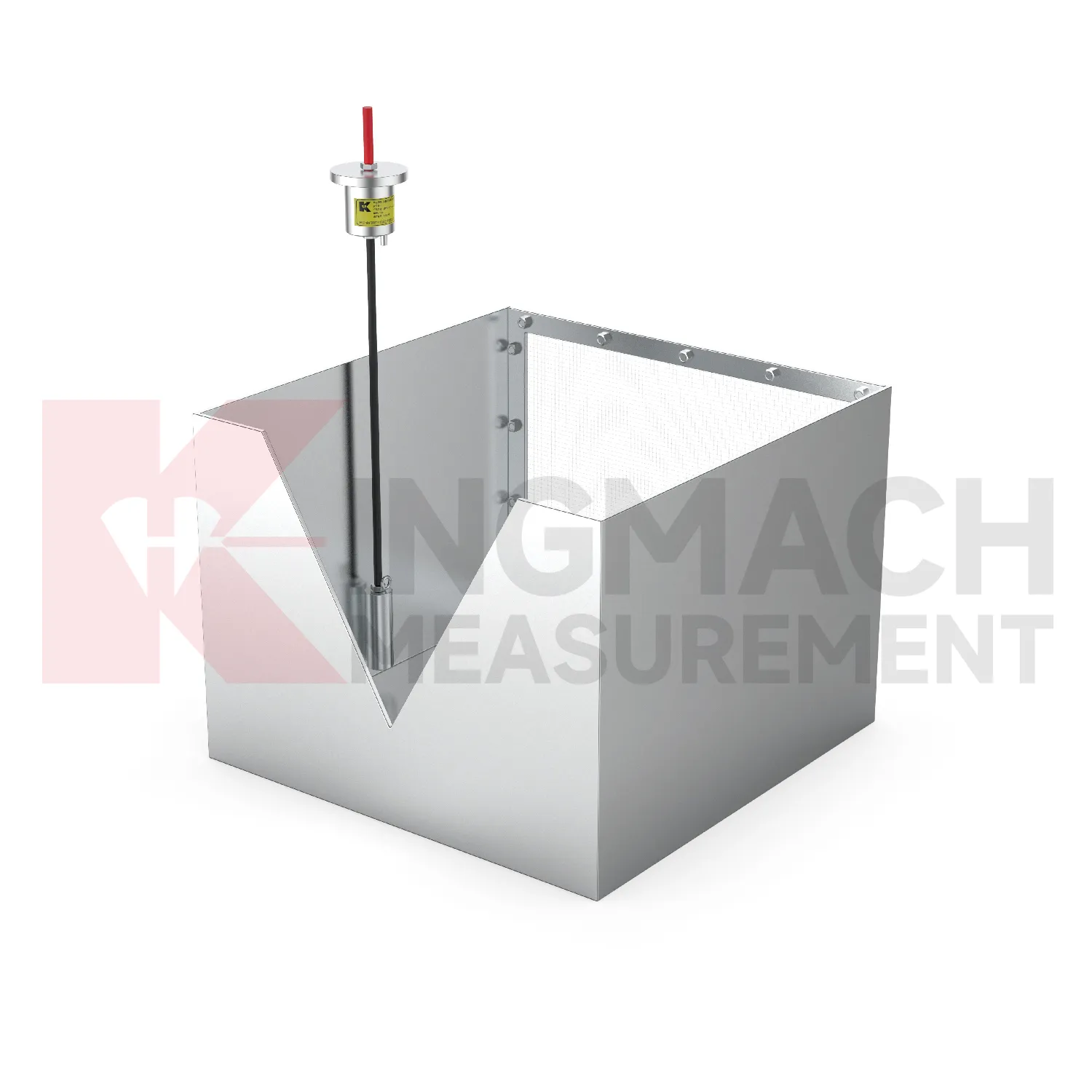
Application of weir flow meter Manufacturer
Water supply and treatment facilities can use Kingmach weir flow meter Manufacturer to monitor flow through open channels, process by-pass points, or controlled discharge sections. The goal may be operating balance, inflow observation, outflow checking, or maintenance verification. The record becomes useful when it is tied to pump status, valve or gate operation, cleaning schedules, rainfall, and process events. A flow point should be placed where the water condition is stable enough to represent the channel. If foam, sediment, turbulence, or downstream water affects the control section, the data should be reviewed carefully. Good flow monitoring helps operators compare actual water movement with the expected operating state and quickly notice conditions that need field checking. In treatment work, timing matters because process changes, cleaning cycles, storm inflow, and maintenance by-pass events can all alter channel behavior. A dated record helps staff explain why flow changed and whether the change matched plant activity. It can also support handover between shifts, because the next operator sees not only the curve but the event that shaped it. That makes routine review more disciplined and less dependent on verbal memory. It also helps maintenance staff plan cleaning before reduced conveyance affects routine operation. across different work shifts.
The future of weir flow meter Manufacturer
The future of Kingmach weir flow meter Manufacturer will focus on connecting flow records with the events that drive water movement. Rainfall, gate changes, pumping activity, seepage variation, maintenance cleaning, and upstream operations can all change discharge. Future monitoring platforms should place these events on the same timeline as the flow curve. That will help operators understand whether a flow change is expected or whether the channel needs inspection. The practical gain is faster interpretation, not simply more data. When the flow record includes the cause, the response, and the field action, water managers can make better decisions during storms, maintenance windows, and long-term operation. Event timelines can also reduce confusion between hydraulic change and instrument concern. A rain peak, a pump start, or a planned channel cleaning may explain a curve that otherwise looks abnormal. When the explanation is attached directly to the trend, later reviews become clearer and less dependent on memory.
Care & Maintenance of weir flow meter Manufacturer
Replacement or repair of Kingmach weir flow meter Manufacturer components should preserve the flow history. If the measuring section, water head point, enclosure, cable, data channel, or platform setting changes, record the date, reason, old condition, new condition, and first stable reading. Do not hide the change by forcing the curve to look continuous without explanation. Future reviewers need to know whether a flow shift came from water behavior or from maintenance. A clear repair note protects the long-term value of the flow record and makes handover easier for the next team. Repair work should also include a short comparison before and after the change. Photos, technician notes, and a brief explanation of why the work was done can keep the data traceable. If the channel was cleaned or reshaped at the same time, that should be separated from instrument repair so later trend review does not mix two different causes. during review.
Kingmach weir flow meter Manufacturer
Kingmach weir flow meter Manufacturer supports projects where small water level changes need to be converted into meaningful flow information. In a weir structure, a slight rise or fall in water head can represent a real change in discharge. That is why the measurement point must be stable, clean, and tied to the correct hydraulic geometry. The record becomes stronger when water level, channel condition, rainfall, pump operation, gate activity, and inspection notes are reviewed together. A flow curve by itself may show an increase, but the site record explains whether that increase came from stormwater, controlled discharge, blockage, leakage, or upstream operation. This kind of interpretation is important for operators who must act on the data. They need to know whether a change is normal, whether a channel needs cleaning, or whether another instrument record should be checked. A clear flow history turns small water-head movement into a practical operating signal instead of an isolated reading.
FAQ
Q: How does Kingmach weir flow meter Manufacturer help drainage projects?
A: It shows how discharge changes during routine operation, storms, dewatering, blockage, cleaning, or downstream backwater.
Q: How does it help irrigation projects?
A: It helps compare delivery timing, flow distribution, channel condition, rainfall effect, and water-use management across operating periods.
Q: How does it help tunnels?
A: It can track drainage or seepage-related flow and compare changes with rainfall, groundwater, maintenance cleaning, or underground construction activity.
Q: How does it help dam or slope drainage?
A: It provides a flow record that can be reviewed with seepage, rainfall, pore pressure, settlement, displacement, and inspection notes.
Q: How does it fit into a platform?
A: It works as the flow layer beside rainfall, water level, seepage, environmental, and structural monitoring records. A weir point also needs safe routine access. If staff cannot reach the crest, enclosure, or sensing area during wet weather, the project may collect data but struggle to maintain confidence in it when the record is most important.
Reviews
Ryan Lewis
Fast delivery and excellent product quality. The accelerometers and tiltmeters are highly reliable. Strongly recommend this company.
Joshua Clark
We ordered a full monitoring solution including sensors and data loggers. Everything works seamlessly together. Great supplier!
Latest Inquiries
To protect the privacy of our buyers, only public service email domains like Gmail, Yahoo, and MSN will be displayed. Additionally, only a limited portion of the inquiry content will be shown.
Ava***@gmail.comAustralia
Hi, I am looking for reliable tiltmeters and accelerometers for structural health monitoring. Please...
Olivia***@gmail.comUnited States
Hello, we are currently sourcing high-precision strain gauges and load cells for a bridge monitoring...